
Effective Treatments for Severe Tooth Sensitivity to Temperature
- 1 - Understanding Tooth Sensitivity to Temperature
- 2 - Common Causes of Tooth Sensitivity to Temperature
- 3 - Treatments for Severe Tooth Sensitivity to Temperature
- 4 - Practical Tips for Managing Severe Tooth Sensitivity
- 5 - How to Choose the Right Treatment for Your Sensitive Teeth
1. Understanding Tooth Sensitivity to Temperature
Tooth sensitivity to temperature can be a sharp and uncomfortable experience. It often occurs when consuming hot or cold foods and drinks. While mild sensitivity is common, severe cases can interfere with daily life and cause significant discomfort. This type of sensitivity usually points to deeper dental issues that need prompt attention and care.
2. Common Causes of Tooth Sensitivity to Temperature
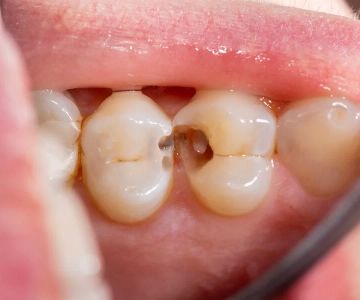
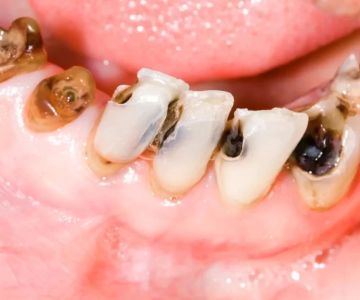
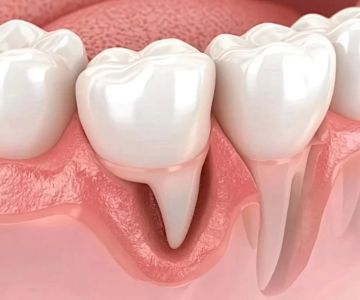
Several factors can contribute to the development of severe tooth sensitivity. These include worn tooth enamel, receding gums, tooth decay, cracked teeth, or an exposed tooth root. For instance, when gums recede, the sensitive areas of the tooth beneath the enamel, such as the dentin, are exposed. Dentin is porous and sensitive, making it prone to reaction from temperature changes.
3. Treatments for Severe Tooth Sensitivity to Temperature
Effective treatments for severe tooth sensitivity to temperature focus on reducing discomfort and addressing the root cause of the sensitivity. Below are some of the most popular and effective options:
- Desensitizing Toothpaste: This is often the first step for those with mild to moderate sensitivity. These toothpastes contain compounds that block the nerve pathways that transmit pain signals.
- Fluoride Treatment: A dentist may apply fluoride to your teeth to strengthen the enamel and reduce sensitivity.
- Dental Sealants: If your sensitivity is due to exposed dentin, dental sealants can be applied to cover the sensitive areas and protect them from temperature extremes.
- Root Canals: In severe cases where sensitivity is caused by nerve damage, a root canal may be necessary to remove the affected tissue and resolve the issue.
4. Practical Tips for Managing Severe Tooth Sensitivity
While treatments from your dentist are crucial, there are some at-home practices that can help minimize discomfort:
- Avoid Acidic Foods: Foods like citrus and vinegar can erode enamel and aggravate sensitivity. Try to limit these in your diet.
- Use a Soft-Bristled Toothbrush: A soft-bristled toothbrush helps avoid further enamel wear and reduces the impact on sensitive gums and teeth.
- Practice Good Oral Hygiene: Brushing and flossing regularly can help prevent further damage and discomfort. Just be sure to use gentle techniques.
5. How to Choose the Right Treatment for Your Sensitive Teeth
Choosing the right treatment depends on the severity of your symptoms and the underlying cause. If you experience ongoing discomfort or the sensitivity is significantly affecting your quality of life, it’s best to consult a dentist. Your dentist will help identify the root cause of your sensitivity and recommend the most suitable treatment options.
Are you ready to find a solution for your severe tooth sensitivity? Visit your dentist for an evaluation, and explore a range of treatment options tailored to your needs. If you’re looking for over-the-counter remedies, consider products like desensitizing toothpaste or fluoride treatments, which can offer relief and help you manage your symptoms effectively.
 Dr. Jeff A. Novak, DDS5.0 (4 review)
 Permanente Dental Associates, P.C.0.0 (0 review)
 Tri-City Smiles Dentistry and Orthodontics4.0 (180 review)
 Discover Dental - Pediatric Dentistry5.0 (1 review)
 Dentistry at 1818 Market Street4.0 (686 review)
 Mortenson Family Dental4.0 (578 review)
 The Importance of Oral Health Education During Pregnancy for a Healthy Pregnancy
 Best Tips for Brushing Your Teeth Properly for Healthy Gums: Essential Techniques for Oral Health
 Why Skipping Dental Checkups Can Lead to Bigger Oral Health Problems
 Advantages of Porcelain Dental Restorations
 How Can Diabetes Cause Tooth and Gum Problems? Preventing and Managing Oral Health Issues
 Healthy Habits for Promoting Good Oral Health and Hygiene: Tips for a Healthy Smile