
Effective Tooth Damage Treatment: Restoring Your Smile
- 1. Understanding Tooth Damage
- 2. Different Types of Tooth Damage
- 3. Treatment Options for Tooth Damage
- 4. Common Causes of Tooth Damage
- 5. Real-Life Case Studies of Tooth Damage Treatment
- 6. Conclusion: Preventing and Treating Tooth Damage Effectively
1. Understanding Tooth Damage
Tooth damage is a common dental issue that can significantly affect your oral health and appearance. Whether it's due to trauma, decay, or wear and tear, damaged teeth require timely intervention to prevent further complications. Proper treatment not only restores the functionality of the tooth but also helps maintain your overall health.
In this article, we’ll explore various types of tooth damage, common causes, and the most effective treatments available. By understanding the full scope of tooth damage, you can make informed decisions to protect your smile.
2. Different Types of Tooth Damage
Tooth damage can occur in various forms, ranging from minor chips to severe fractures. Below are some of the most common types of damage:
- Chipped Teeth: Small chips in the tooth enamel are often the result of minor accidents or eating hard foods. While these may not always cause pain, they can lead to further wear or sensitivity if left untreated.
- Cracked Teeth: Cracks can develop due to physical trauma or from biting down on something too hard. A cracked tooth may cause pain, especially when chewing, and can affect the tooth's integrity.
- Tooth Decay: Cavities or dental decay occur when plaque buildup creates acids that eat away at the tooth enamel, leading to holes or soft spots in the teeth. Left untreated, decay can lead to more extensive damage or tooth loss.
- Broken Teeth: A broken tooth is often the result of significant trauma, such as an accident or sports injury. Depending on the severity, a broken tooth may require immediate treatment to avoid infection or further structural damage.
Each type of damage may require a different approach for restoration, and early detection is key to successful treatment.
3. Treatment Options for Tooth Damage
When it comes to treating tooth damage, the appropriate treatment depends on the extent of the damage and the tooth’s location in the mouth. Here are some of the most common treatment options:
- Fillings: If tooth decay is caught early, a filling can restore the tooth to its natural shape and prevent further damage.
- Crowns: For more extensive damage, a dental crown can cover and protect the tooth. Crowns are often used for cracked or broken teeth and provide strength and durability.
- Veneers: Thin porcelain shells can be placed over the front of damaged teeth to improve appearance and protect the underlying tooth structure. Veneers are ideal for chipped or slightly damaged teeth.
- Root Canal Therapy: If tooth decay reaches the nerve, a root canal may be necessary to remove the infected tissue and seal the tooth. This treatment helps preserve the tooth and alleviate pain.
- Tooth Extraction: In severe cases, when the tooth cannot be saved, extraction may be the best option. After extraction, your dentist may suggest a dental implant or bridge to restore the gap.
Consulting with a dental professional is essential to determine the best course of action for your specific situation.
4. Common Causes of Tooth Damage
Tooth damage can occur for many reasons. Understanding the causes can help you take preventive measures to protect your teeth:
- Accidents or Injuries: Physical trauma from falls, car accidents, or sports injuries can cause broken or cracked teeth.
- Poor Oral Hygiene: Neglecting oral hygiene can lead to plaque buildup, tooth decay, and gum disease, which can weaken the teeth.
- Chewing Hard Foods: Biting down on hard objects, such as ice, nuts, or hard candies, can cause chips or cracks.
- Bruxism (Teeth Grinding): Grinding your teeth, often during sleep, can lead to worn-down teeth, cracks, or fractures.
- Age: As we age, our teeth naturally wear down, becoming more prone to damage. Enamel also weakens over time, making the teeth more susceptible to decay.
By identifying the causes of tooth damage, you can take steps to protect your teeth and avoid further issues.
5. Real-Life Case Studies of Tooth Damage Treatment
Let’s take a look at two real-life examples to understand how tooth damage treatment can make a significant difference:
Case 1: Sarah, a 32-year-old woman, chipped her front tooth while playing sports. After visiting her dentist, she opted for a dental veneer to restore the tooth’s appearance and prevent further damage. The veneer gave her a natural, flawless smile, and she could continue her active lifestyle without worry.
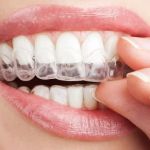
Case 2: John, a 45-year-old man, had been grinding his teeth for years, causing significant enamel wear. He experienced tooth sensitivity and discomfort. After an evaluation, his dentist recommended night guards to prevent further grinding and provided dental crowns to restore the function and appearance of the affected teeth.
These cases highlight how timely intervention and the right treatment can help restore dental health and avoid complications.
6. Conclusion: Preventing and Treating Tooth Damage Effectively
Tooth damage is a common issue, but with early detection and the right treatment, it can be effectively managed. Whether you’re dealing with a small chip or more serious dental trauma, the appropriate treatment can restore your smile and protect your overall oral health.
If you’re concerned about tooth damage or need professional advice, don’t hesitate to visit Dentistry Toothtruth. Our team of dental experts is ready to provide you with personalized care and treatment options to restore and protect your teeth.






 Safari Dental & Orthodontics4.0 (1362 review)
 Rosen Dental Transitions5.0 (5 review)
 Smiles 4 Kids4.0 (550 review)
 Garvey Dental Group5.0 (5 review)
 Dental365 - Throgs Neck4.0 (554 review)
 McNutt Orthodontics5.0 (61 review)
 The Importance of Oral Health Education During Pregnancy for a Healthy Pregnancy
 Best Tips for Brushing Your Teeth Properly for Healthy Gums: Essential Techniques for Oral Health
 Why Skipping Dental Checkups Can Lead to Bigger Oral Health Problems
 Advantages of Porcelain Dental Restorations
 How Can Diabetes Cause Tooth and Gum Problems? Preventing and Managing Oral Health Issues
 Healthy Habits for Promoting Good Oral Health and Hygiene: Tips for a Healthy Smile