
Understanding the Importance of Oral Hygiene
Oral hygiene is the foundation of a healthy mouth and overall well-being. In the United States, millions face dental issues that stem from poor oral care, such as cavities, gum disease, and bad breath. Maintaining good oral hygiene is not just about a bright smile — it prevents infections that can impact other parts of the body. For example, research has linked gum disease to heart problems and diabetes complications, emphasizing why oral health deserves serious attention.
Taking care of your teeth and gums daily can save you from costly treatments and uncomfortable pain. Let’s explore how to do oral hygiene effectively with tips tailored for lasting results.
1. Daily Brushing: The Cornerstone of Oral Care
1.1 Choosing the Right Toothbrush and Toothpaste
Using a soft-bristled toothbrush is crucial to avoid damaging your gums. Electric toothbrushes can provide superior plaque removal compared to manual brushing, especially for those with limited dexterity. When it comes to toothpaste, look for fluoride-containing formulas to strengthen enamel and prevent decay.
1.2 Proper Brushing Technique
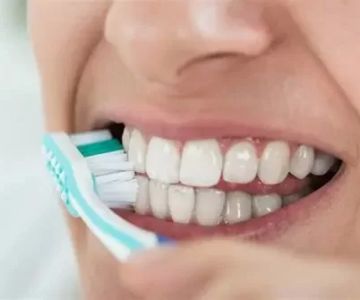
Brush your teeth at least twice a day for two minutes each time. Position your toothbrush at a 45-degree angle to your gums, moving it gently in circular motions. Be sure to cover all surfaces: outer, inner, and chewing surfaces of the teeth. Many people neglect the inner surfaces, but plaque can accumulate there, increasing the risk of cavities.
One American dental patient, Sarah, shared how switching to a timed electric toothbrush dramatically improved her cleaning routine. She found that tracking the two-minute brushing time ensured no area was missed, leading to fresher breath and less plaque buildup during her check-ups.
2. The Role of Flossing and Interdental Cleaning
2.1 Why Flossing Matters
Brushing alone cannot remove plaque and food particles trapped between teeth. Flossing daily prevents gum inflammation and cavities in these hard-to-reach areas. Despite its importance, studies show nearly 30% of Americans never floss, putting them at higher risk for periodontal disease.
2.2 How to Floss Correctly
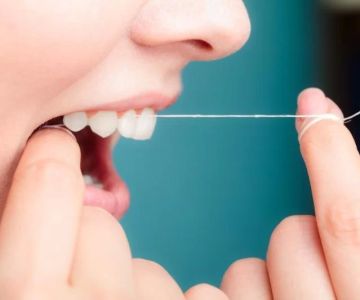
Use about 18 inches of dental floss, winding most around your middle fingers. Gently slide the floss between teeth, curving it around each tooth and moving it up and down beneath the gumline. Avoid snapping the floss, which can injure delicate gum tissue.
For those who find flossing difficult, interdental brushes or water flossers are excellent alternatives. John, a long-time user of water flossers, credits this tool with improving his gum health and reducing bleeding during brushing.
3. Mouthwash and Its Benefits
3.1 Choosing the Right Mouthwash
Mouthwash is not a substitute for brushing or flossing but can be a helpful addition. Antimicrobial or fluoride mouthwashes reduce bacteria and strengthen teeth. Avoid alcohol-based rinses if you have sensitive gums or dry mouth.
3.2 When and How to Use Mouthwash
Use mouthwash after brushing and flossing to rinse away remaining debris and freshen breath. Swish the solution for 30 seconds to one minute, then spit it out. Avoid eating or drinking for at least 30 minutes afterward to allow fluoride to work effectively.
4. Lifestyle Habits Impacting Oral Health
4.1 Nutrition and Hydration
Eating a balanced diet rich in fruits, vegetables, and dairy supports tooth enamel and gum health. Avoid frequent consumption of sugary snacks and beverages, which feed harmful bacteria and accelerate decay. Drinking plenty of water helps wash away food particles and maintains saliva flow, which naturally protects teeth.
4.2 Avoiding Tobacco and Excessive Alcohol
Smoking and heavy alcohol use are major contributors to oral diseases, including cancer and severe gum infections. Quitting tobacco and moderating alcohol intake are among the best decisions for improving oral hygiene and overall health.
5. Regular Dental Visits and Professional Cleanings
5.1 Importance of Dental Check-ups
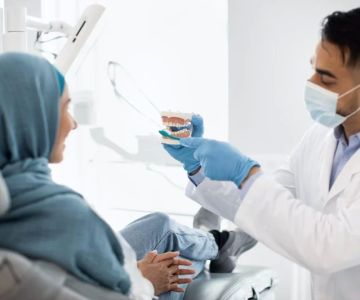
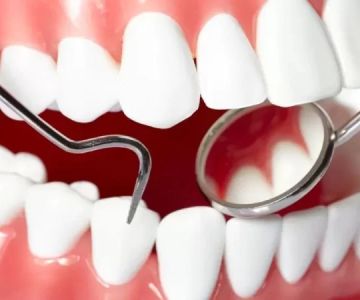
Even with perfect home care, professional dental exams every six months are essential. Dentists can detect early signs of problems that are invisible to the naked eye and provide deep cleanings that remove hardened tartar.
5.2 Building a Trustworthy Relationship With Your Dentist
Establishing comfort and open communication with your dental provider encourages honest discussions about your oral hygiene challenges. Many patients like Emily found that personalized advice from their dentist motivated them to maintain consistent care routines.
6. Overcoming Common Oral Hygiene Challenges
6.1 Managing Sensitive Teeth
Sensitivity can discourage brushing or flossing. Using toothpaste designed for sensitive teeth and a soft brush can ease discomfort. If sensitivity persists, consult your dentist for targeted treatment.
6.2 Staying Consistent Despite Busy Schedules
Busy lifestyles often lead to skipping oral care. Setting reminders, keeping travel-size dental kits handy, and establishing morning and bedtime routines help maintain consistency. John’s story of overcoming work stress by dedicating two minutes twice a day to oral care is a testament to achievable habits.
Enhance Your Oral Care Journey with Dentistry Toothtruth
Maintaining excellent oral hygiene requires a blend of proper techniques, lifestyle choices, and professional support. For those seeking tailored guidance or advanced dental services, Dentistry Toothtruth offers trusted expertise and personalized care plans to meet your needs. Their team helps patients across the USA achieve healthier smiles and long-lasting oral wellness.


 Pro Dentists of Buford4.0 (575 review)
 Hawthorne Dental Associates5.0 (463 review)
 Fairview Dental4.0 (108 review)
 Ocean County Endodontics LLC: Mc Cafferty Ryan J DDS4.0 (8 review)
 Baldwin Park Family Dentistry4.0 (16 review)
 Above & Beyond Dentistry & Implants4.0 (540 review)
 The Importance of Oral Health Education During Pregnancy for a Healthy Pregnancy
 Best Tips for Brushing Your Teeth Properly for Healthy Gums: Essential Techniques for Oral Health
 Why Skipping Dental Checkups Can Lead to Bigger Oral Health Problems
 Advantages of Porcelain Dental Restorations
 How Can Diabetes Cause Tooth and Gum Problems? Preventing and Managing Oral Health Issues
 Healthy Habits for Promoting Good Oral Health and Hygiene: Tips for a Healthy Smile