
Effective Gum Recession Treatment: Solutions to Restore Your Gum Health
- 1. What is Gum Recession?
- 2. Common Causes of Gum Recession
- 3. How to Treat Gum Recession: Solutions and Options
- 4. Non-Surgical Treatment Options for Gum Recession
- 5. Surgical Treatment for Severe Gum Recession
- 6. How to Prevent Gum Recession from Happening
- 7. Real-Life Stories of Gum Recession Treatment Success
1. What is Gum Recession?
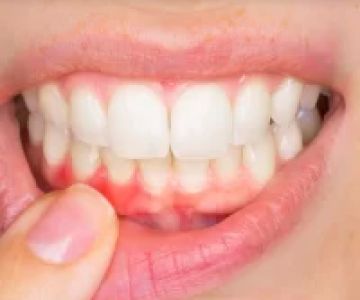
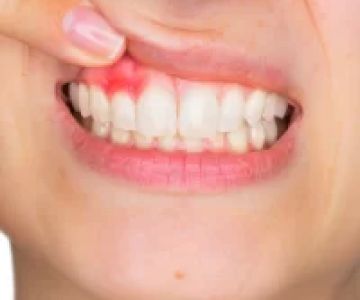
Gum recession occurs when the gum tissue surrounding the teeth wears away or pulls back, exposing more of the tooth or the tooth’s root. It is a common dental problem that affects millions of people and can lead to tooth sensitivity, aesthetic concerns, and in some cases, tooth loss if not treated promptly.
As gums recede, pockets form between the teeth and gum line, making it easier for harmful bacteria to accumulate and potentially cause further oral health issues like gum disease and cavities. If you're experiencing gum recession, it’s crucial to seek treatment before the condition worsens.
2. Common Causes of Gum Recession
There are several factors that can contribute to gum recession, including lifestyle choices, genetic predisposition, and poor oral hygiene. Below are some of the most common causes:
2.1 Poor Oral Hygiene
Inadequate brushing or flossing allows plaque to turn into tartar, which can irritate the gums and lead to gum disease. Over time, this can cause the gums to recede.
2.2 Aggressive Brushing
Brushing your teeth too hard or using a hard-bristled toothbrush can wear down the gum tissue and contribute to recession. It’s important to brush gently using a soft-bristled toothbrush.
2.3 Gum Disease
Periodontal disease is a leading cause of gum recession. As gum disease progresses, the gum tissue and bone that support your teeth can break down, leading to the gums pulling away from the teeth.
2.4 Genetics
Some people may have a genetic predisposition to gum recession, where the tissue is naturally thinner or more susceptible to damage.
2.5 Hormonal Changes
Women, especially those going through menopause or pregnancy, may experience changes in hormone levels that affect their gum health, making them more susceptible to gum recession.
3. How to Treat Gum Recession: Solutions and Options
There are a variety of treatment options available to manage and treat gum recession, depending on the severity of the condition. Early intervention can often prevent the need for more invasive procedures.
3.1 Scaling and Root Planing
Scaling and root planing is a deep cleaning procedure performed by a dentist or hygienist. It involves removing plaque and tartar from below the gum line and smoothing the exposed tooth roots to encourage reattachment of the gums.
3.2 Desensitizing Toothpaste
If you experience tooth sensitivity due to exposed roots, your dentist may recommend a desensitizing toothpaste. These toothpastes contain compounds that block the transmission of sensation from the tooth surface to the nerve.
3.3 Gum Grafting
In more severe cases, a gum graft may be necessary to restore lost gum tissue. This procedure involves taking tissue from another part of the mouth (often the roof of the mouth) and grafting it onto the receded areas. The procedure helps cover the exposed roots and enhances both function and appearance.
4. Non-Surgical Treatment Options for Gum Recession
Not all cases of gum recession require surgery. There are several non-invasive treatments that can help manage the condition:
4.1 Enhanced Oral Hygiene
Improving your oral hygiene routine can help stop further gum recession. This includes brushing your teeth twice daily with a soft-bristled toothbrush, flossing regularly, and using an antimicrobial mouthwash to reduce plaque buildup.
4.2 Dental Sealants
In some cases, your dentist may recommend dental sealants to protect the exposed root surfaces. These sealants create a protective barrier against bacteria and acids that can cause further damage.
4.3 Laser Therapy
Laser therapy is a minimally invasive treatment that can help regenerate gum tissue. It’s often used for early stages of gum recession and may be combined with other treatments like scaling and root planing.
5. Surgical Treatment for Severe Gum Recession
In cases where gum recession is severe, surgical intervention may be necessary to restore gum tissue and prevent further damage. Some common surgical treatments include:
5.1 Gum Grafting
As mentioned earlier, gum grafting involves taking tissue from another part of your mouth to cover the exposed roots. This procedure is effective in treating advanced gum recession and improving the appearance of your smile.
5.2 Pinhole Surgical Technique (PST)
The Pinhole Surgical Technique is a newer, minimally invasive procedure that involves making small holes in the gum tissue and repositioning it to cover the exposed roots. It’s a faster, less invasive option compared to traditional gum grafting.
6. How to Prevent Gum Recession from Happening
While some factors contributing to gum recession, such as genetics, cannot be controlled, there are several steps you can take to prevent or slow down the progression of gum recession:
6.1 Maintain Good Oral Hygiene
Regular brushing, flossing, and visits to the dentist can help prevent plaque buildup and gum disease, which are major causes of gum recession.
6.2 Avoid Aggressive Brushing
Brushing your teeth too hard can damage the gums and cause recession. Use a soft-bristled toothbrush and avoid aggressive brushing to protect your gums.
6.3 Use a Mouthguard
If you grind your teeth at night, consider wearing a mouthguard to protect your teeth and gums from the wear and tear caused by grinding.
7. Real-Life Stories of Gum Recession Treatment Success
Many people have successfully treated gum recession and restored their gum health. Here are a couple of real-life stories:
7.1 Jessica’s Journey with Gum Grafting
Jessica had advanced gum recession, which was causing her significant tooth sensitivity. After undergoing gum grafting surgery, she noticed a significant improvement in her gum health and was relieved from the pain. “I wish I had done this sooner,” she said. “The results were amazing, and now I feel more confident smiling.”
7.2 Mark’s Success with Non-Surgical Treatment
Mark opted for a non-surgical treatment approach, focusing on improving his oral hygiene and using desensitizing toothpaste. Over time, his gum recession stopped progressing, and he was able to manage the condition without surgery.
If you're struggling with gum recession, it's crucial to take action as soon as possible. Visit Dentistry Toothtruth for expert advice on effective gum recession treatment options. Learn how to protect and restore your gums for a healthier smile.

 Rigby Dental - West Jordan4.0 (944 review)
 The Smilist Dental Syosset4.0 (354 review)
 Pediatric Dental Associates of Randolph4.0 (1772 review)
 24 Hour Dentist3.0 (450 review)
 Evenly Orthodontics0.0 (0 review)
 Light Dental Studios of University Place4.0 (279 review)
 The Importance of Oral Health Education During Pregnancy for a Healthy Pregnancy
 Best Tips for Brushing Your Teeth Properly for Healthy Gums: Essential Techniques for Oral Health
 Why Skipping Dental Checkups Can Lead to Bigger Oral Health Problems
 Advantages of Porcelain Dental Restorations
 How Can Diabetes Cause Tooth and Gum Problems? Preventing and Managing Oral Health Issues
 Healthy Habits for Promoting Good Oral Health and Hygiene: Tips for a Healthy Smile