
Effective Gum Disease Treatment: Proven Solutions for Gum Health
- 1. Understanding Gum Disease: What You Need to Know
- 2. Recognizing the Symptoms of Gum Disease
- 3. Effective Ways to Prevent Gum Disease
- 4. Best Gum Disease Treatment Options
- 5. Natural Remedies for Maintaining Gum Health
- 6. Professional Treatments and Their Benefits
- 7. Final Thoughts on Gum Disease Treatment
1. Understanding Gum Disease: What You Need to Know
Gum disease, also known as periodontal disease, is a common condition that affects the gums and can lead to tooth loss if left untreated. It starts with gingivitis, which causes inflammation and redness in the gums. If not addressed, it can progress into more serious stages, including periodontitis, where the infection affects the underlying structures supporting the teeth.
The good news is that gum disease is preventable and treatable with the right care and attention. Understanding the causes and symptoms of gum disease is the first step in effectively managing your gum health.
2. Recognizing the Symptoms of Gum Disease
Being able to recognize the early signs of gum disease can make all the difference in preventing its progression. Common symptoms include:
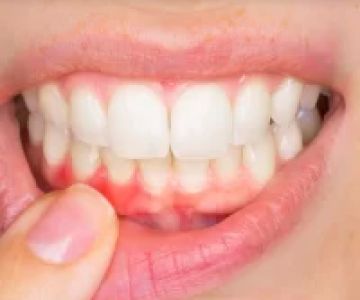
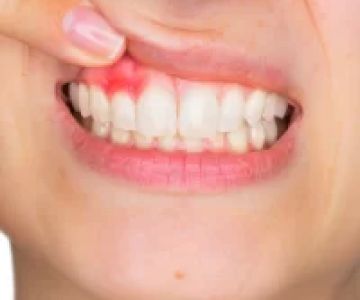
- Red, swollen gums that bleed when brushing or flossing
- Persistent bad breath or a bad taste in your mouth
- Receding gums, where your teeth may appear longer than usual
- Loose or shifting teeth in advanced stages
If you notice any of these symptoms, it's important to seek treatment as soon as possible to prevent further complications.
3. Effective Ways to Prevent Gum Disease
Prevention is key when it comes to gum disease. Simple daily habits can help keep your gums healthy and free from infection. Here are some preventive measures you can take:
- Brush your teeth twice a day with fluoride toothpaste
- Floss daily to remove plaque from between teeth
- Use an antimicrobial mouthwash to reduce plaque buildup
- Visit your dentist regularly for professional cleanings and check-ups
- Eat a balanced diet rich in vitamins and minerals to support your gum health
By following these practices, you can significantly reduce your risk of developing gum disease.
4. Best Gum Disease Treatment Options
If you already have gum disease, treatment options vary depending on the severity of the condition. For early-stage gingivitis, a professional cleaning by a dentist or hygienist may be all that's required to restore gum health. However, for more advanced periodontitis, you may need more intensive treatments such as:
- Scaling and root planing: A deep cleaning procedure to remove plaque and tartar buildup below the gumline
- Antibiotics: Prescribed to control bacterial infections
- Laser therapy: A less invasive method to treat gum disease and reduce inflammation
- Surgical options: In severe cases, surgery may be required to repair damage and restore gum health
For personalized treatment recommendations, it's crucial to consult with a dental professional to determine the best approach for your situation.
5. Natural Remedies for Maintaining Gum Health
In addition to professional treatments, several natural remedies can help support gum health and prevent gum disease. These include:
- Oil pulling with coconut oil: This ancient technique is believed to help reduce plaque and bacteria in the mouth
- Rinsing with saltwater: A simple solution that can reduce inflammation and promote healing
- Using aloe vera gel: Known for its soothing properties, aloe vera can help reduce gum irritation
- Tea tree oil: Its antibacterial properties may help reduce gum infection when used in diluted form
While these remedies can be helpful, they should be used in conjunction with traditional dental care and not as substitutes for professional treatments.
6. Professional Treatments and Their Benefits
Professional treatments are essential for those with advanced gum disease. Here are a few options that can help restore gum health:
- Regular dental cleanings: These help remove plaque buildup that may lead to gum disease
- Periodontal maintenance: Ongoing care to manage and treat gum disease
- Oral antibiotics: To target bacteria and prevent the spread of infection
- Gum grafting: A surgical option to restore lost gum tissue
Consulting with a dentist at the earliest sign of gum disease ensures you get the most effective treatment, preventing the disease from advancing further.
7. Final Thoughts on Gum Disease Treatment
Taking care of your gums is essential for overall oral health. Regular brushing, flossing, and professional dental care are crucial in preventing gum disease. If you're already experiencing symptoms, there are a variety of treatments available to restore your gum health and keep your smile beautiful.
If you're looking for high-quality oral care products to help prevent and treat gum disease, visit Dentistry Toothtruth for a wide selection of trusted products and expert advice. Don't wait for gum disease to progress—take proactive steps to protect your oral health today!



 Leesville Dental Studio4.0 (473 review)
 SimpliSmiles Farmingdale4.0 (386 review)
 Lakeland Creek Family Dental4.0 (418 review)
 Bryn Mawr Periodontal Associates, Ltd.4.0 (277 review)
 Woodlawn Dental Gallery4.0 (537 review)
 David K Buran, DMD5.0 (107 review)
 The Importance of Oral Health Education During Pregnancy for a Healthy Pregnancy
 Best Tips for Brushing Your Teeth Properly for Healthy Gums: Essential Techniques for Oral Health
 Why Skipping Dental Checkups Can Lead to Bigger Oral Health Problems
 Advantages of Porcelain Dental Restorations
 How Can Diabetes Cause Tooth and Gum Problems? Preventing and Managing Oral Health Issues
 Healthy Habits for Promoting Good Oral Health and Hygiene: Tips for a Healthy Smile