
Early Signs of Periodontitis: How to Spot the Symptoms and Take Action
- 1. Recognizing the Early Signs of Periodontitis
- 2. The Importance of Early Diagnosis
- 3. Available Treatment Options for Periodontitis
- 4. Preventive Care for Maintaining Healthy Gums
1. Recognizing the Early Signs of Periodontitis
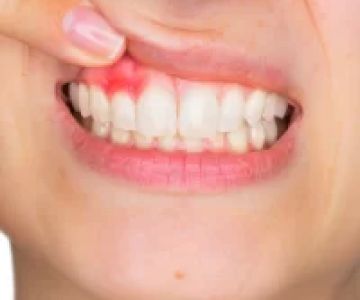
Periodontitis is a severe gum disease that can lead to tooth loss if left untreated. Early detection is key to preventing further damage. The first signs are often subtle, but they should not be ignored. Common early signs include:
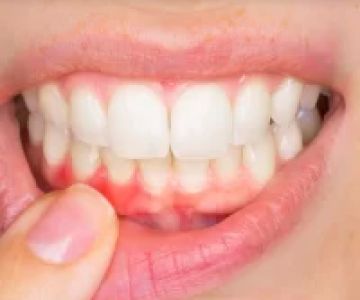
- Red, swollen gums
- Bleeding while brushing or flossing
- Persistent bad breath (halitosis)
- Gums pulling away from the teeth, causing tooth sensitivity
If you notice any of these signs, it’s important to schedule a dental checkup promptly. Periodontitis can progress quickly, and early intervention can save your teeth and gums from severe damage.
2. The Importance of Early Diagnosis
Diagnosing periodontitis early can significantly affect the outcome of treatment. In its early stages, periodontitis can be reversed with professional cleaning and improved oral hygiene. However, if ignored, it can lead to irreversible damage to the bone and soft tissues supporting the teeth.
A dentist or periodontist can identify the presence of periodontitis by checking for pockets around the teeth, assessing gum health, and taking X-rays. Catching the disease in its earliest stages is crucial for minimizing long-term damage and reducing treatment costs.
3. Available Treatment Options for Periodontitis
If you have been diagnosed with periodontitis, there are several treatment options available to help restore your gum health. Depending on the severity of the disease, treatments may include:
- Scaling and Root Planing: A deep cleaning procedure to remove plaque and tartar from below the gum line.
- Antibiotics: Prescription medications to reduce infection and control inflammation.
- Flap Surgery: A procedure to reduce gum pockets and help regenerate tissue lost to periodontitis.
- Bone Grafting: In severe cases, bone grafts may be necessary to replace lost bone structure.
It’s important to consult with your dentist to determine the most appropriate treatment based on the severity of the disease and your overall oral health.
4. Preventive Care for Maintaining Healthy Gums
Preventing periodontitis starts with good oral hygiene practices. Brushing your teeth twice a day with fluoride toothpaste, flossing daily, and using mouthwash can help reduce plaque buildup and prevent gum disease.
Regular dental checkups and cleanings are essential for early detection of any issues, including periodontitis. In addition, lifestyle choices such as quitting smoking and maintaining a balanced diet can support gum health and prevent disease.
If you’re concerned about your gum health or notice any early signs of periodontitis, don’t wait. Early intervention can prevent severe damage and keep your smile healthy for years to come. Click here to learn more about treatments for periodontitis.

 Diamond Braces Orthodontist: Braces & Invisalign4.0 (558 review)
 Community Health Center of Snohomish County - Everett-North Clinic4.0 (960 review)
 Mirage Dental Care - Dr. Empaljit Singh Gill5.0 (96 review)
 Puyallup Smiles Dentistry and Orthodontics4.0 (161 review)
 Kare Mobile - Louisville3.0 (14 review)
 Omega Dental Care4.0 (74 review)
 The Importance of Oral Health Education During Pregnancy for a Healthy Pregnancy
 Best Tips for Brushing Your Teeth Properly for Healthy Gums: Essential Techniques for Oral Health
 Why Skipping Dental Checkups Can Lead to Bigger Oral Health Problems
 Advantages of Porcelain Dental Restorations
 How Can Diabetes Cause Tooth and Gum Problems? Preventing and Managing Oral Health Issues
 Healthy Habits for Promoting Good Oral Health and Hygiene: Tips for a Healthy Smile