
What Is Enamel and Why Is It Important?
Enamel is the hard, outer surface of your teeth that acts as a protective layer. It is the hardest substance in the human body, designed to withstand the wear and tear of daily activities such as chewing. However, despite its strength, enamel can be vulnerable to damage, especially from acidic substances and overuse of abrasive products.
How Teeth Whitening Works
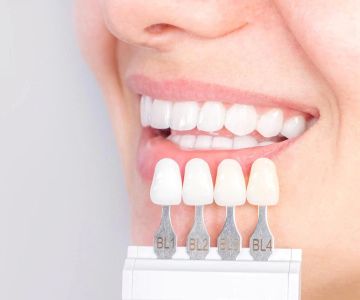
Teeth whitening products typically use bleaching agents like hydrogen peroxide or carbamide peroxide to break down stains on the enamel surface. While these products can effectively whiten teeth, they often come with concerns about whether they could damage the enamel. The key to safe whitening lies in using the right products and following proper guidelines.
Risks of Teeth Whitening and Potential Enamel Damage
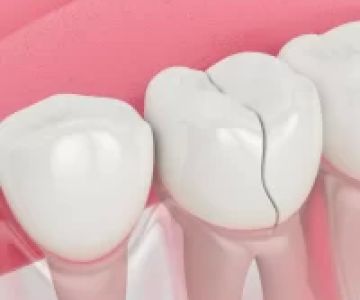
While teeth whitening can offer brighter smiles, overuse or improper techniques can lead to enamel erosion. Some whitening products, especially those with high concentrations of bleaching agents, can weaken enamel over time. This may cause increased tooth sensitivity, cracks, and a greater risk of decay.
For example, a recent case study revealed that excessive use of over-the-counter teeth whitening strips led to significant enamel thinning in a patient, resulting in heightened sensitivity and the need for dental restoration. This highlights the importance of moderation and choosing products with enamel-safe formulas.
How to Safely Whiten Teeth Without Damaging Enamel
To protect your enamel while whitening, consider the following tips:
- Use products specifically designed for enamel safety.
- Avoid overuse of whitening products. Follow the recommended frequency on the packaging.
- Consider professional whitening treatments from a dentist, who can control the concentration of bleaching agents and monitor your enamel health.
- Take regular breaks between whitening sessions to give your enamel time to recover.
By taking these precautions, you can enjoy a whiter smile without compromising the health of your enamel.
Recommended Products for Safe Teeth Whitening
If you're looking for whitening products that are safe for your enamel, visit Dentistry Toothtruth. They offer a range of whitening products designed to brighten your teeth without causing damage. Products with low peroxide concentrations and enamel-strengthening ingredients can help you achieve a whiter smile while protecting your dental health.
Learn more about these safe whitening options at Dentistry Toothtruth and start your journey to a healthier, brighter smile today!

 Pair Orthodontics5.0 (8 review)
 Murphy Orthodontics - Chris Murphy, DDS4.0 (90 review)
 Personal Dental Office & Orthodontics4.0 (228 review)
 Dr. Gary Manukyan, DDS4.0 (35 review)
 Creston Dental & Braces4.0 (304 review)
 Dr. Joe Gordon, DDS4.0 (10 review)
 The Importance of Oral Health Education During Pregnancy for a Healthy Pregnancy
 Best Tips for Brushing Your Teeth Properly for Healthy Gums: Essential Techniques for Oral Health
 Why Skipping Dental Checkups Can Lead to Bigger Oral Health Problems
 Advantages of Porcelain Dental Restorations
 How Can Diabetes Cause Tooth and Gum Problems? Preventing and Managing Oral Health Issues
 Healthy Habits for Promoting Good Oral Health and Hygiene: Tips for a Healthy Smile