
Does Oral HPV Become Gum Disease? Exploring the Connection Between HPV and Oral Health
1. What is Oral HPV?
Oral human papillomavirus (HPV) is a type of virus that affects the mouth and throat. It's primarily known for its connection to certain types of cancers, including oral cancers such as throat and tongue cancer. However, most people who carry HPV in their mouths may not even know they are infected, as the virus often doesn’t show symptoms. HPV is transmitted through oral sex and, in rare cases, through other means such as shared eating utensils or kissing.
HPV is a common virus, with some estimates suggesting that nearly 80% of sexually active individuals will be infected with it at some point in their lives. While the majority of HPV infections do not cause significant health problems and often resolve on their own, certain strains of the virus can have more serious consequences, including increasing the risk of cancer. One of the key questions people have about HPV is whether it has any connection to gum disease.
2. What is Gum Disease?
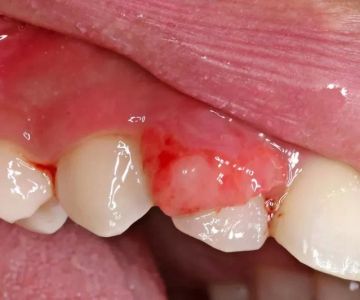
Gum disease, also known as periodontal disease, is a common condition that affects the gums and the supporting structures of the teeth. It is caused by the accumulation of plaque—a sticky film of bacteria that forms on the teeth. If not removed through regular brushing and flossing, plaque can harden into tartar, which irritates the gums and can lead to infection. The early stage of gum disease is known as gingivitis, which is characterized by inflamed and bleeding gums.
If left untreated, gingivitis can progress to periodontitis, a more severe form of gum disease that can lead to tooth loss and other serious oral health complications. Risk factors for gum disease include poor oral hygiene, smoking, diabetes, and age, among others. But can HPV contribute to the development of gum disease? Let’s explore.
3. Can Oral HPV Lead to Gum Disease?
The relationship between oral HPV and gum disease is not fully understood, but there is emerging evidence to suggest that HPV might play a role in the development of periodontal disease. While HPV itself does not directly cause gum disease, certain strains of the virus can potentially contribute to oral health problems in various ways.
One of the key factors at play is inflammation. HPV infections can cause the immune system to respond aggressively, leading to an inflammatory response in the affected tissues. This inflammation may increase the risk of gum disease, especially in individuals who already have other risk factors, such as smoking or poor oral hygiene. Additionally, chronic inflammation is a known contributor to the progression of periodontal disease.
4. The Link Between HPV and Oral Cancer: A Complication of Poor Oral Hygiene
Although the main concern with oral HPV is its association with cancers of the throat, tongue, and tonsils, it’s important to understand that HPV infections in the mouth can also complicate existing oral health conditions. People with HPV infections may be more susceptible to developing oral cancer, which can, in turn, make it harder to maintain good oral hygiene and healthy gums.
For instance, oral cancer and the treatments associated with it, such as radiation therapy, can cause dryness in the mouth, a reduction in saliva production, and difficulties in chewing and swallowing. These changes can create an environment where plaque accumulates more easily, contributing to gum disease. Furthermore, individuals undergoing cancer treatments may find it difficult to perform regular brushing and flossing, which increases the risk of both gum disease and oral infections.
5. How to Protect Your Oral Health from HPV and Gum Disease
While oral HPV may increase the risk of certain oral health problems, including gum disease, there are several proactive steps you can take to protect your oral health. Here are a few important tips:
- Maintain Proper Oral Hygiene: Brushing your teeth at least twice a day, flossing daily, and using mouthwash are essential habits for preventing both gum disease and infections caused by HPV. Proper oral hygiene helps remove plaque and bacteria, reducing the risk of inflammation and infection in the gums.
- Get Regular Dental Check-ups: Visiting your dentist regularly is key to detecting and addressing oral health issues early. Your dentist can identify signs of gum disease, oral HPV infections, and even oral cancers during routine check-ups. Professional cleanings also help keep your teeth and gums in top condition.
- Vaccination Against HPV: The HPV vaccine is an effective preventive measure against several strains of the virus, including those that are known to cause oral cancers. While the vaccine is most commonly recommended for teenagers, it can also be beneficial for adults who have not yet been vaccinated.
- Avoid Smoking and Excessive Alcohol Use: Smoking and drinking alcohol are known risk factors for both HPV infections and gum disease. These habits weaken the immune system, making it harder for the body to fight infections and maintain healthy gums.
- Stay Hydrated: Drinking plenty of water throughout the day helps promote healthy saliva production, which is essential for neutralizing acids and washing away food particles and bacteria from the mouth. Proper hydration can reduce the risk of both gum disease and oral HPV complications.
6. Real-Life Story: How a Healthy Mouth Saved a Life
One notable example is the story of a 45-year-old woman named Sarah, who had been experiencing discomfort in her mouth for several months. She had noticed her gums were swollen and bleeding frequently, and she also felt a persistent sore in her throat. After visiting her dentist and undergoing a thorough examination, Sarah was diagnosed with an advanced case of gum disease, as well as a suspicious lesion in her throat.
Further tests revealed that Sarah had an oral HPV infection, which was linked to her oral cancer. Fortunately, her dentist caught the issue early, and she was referred to an oncologist for treatment. Thanks to her proactive approach to oral health and regular dental visits, Sarah was able to undergo successful treatment, and today, she is cancer-free and maintains a healthy mouth.
7. Conclusion: The Importance of Regular Oral Care
While the direct connection between oral HPV and gum disease is still being researched, it’s clear that maintaining good oral hygiene is critical to preventing both HPV-related complications and periodontal disease. By brushing, flossing, and getting regular check-ups, you can safeguard your oral health and reduce the risk of serious health conditions related to HPV and gum disease. Protecting your mouth today will benefit your overall health tomorrow.
If you’re looking to improve your oral health and protect yourself from HPV and gum disease, visit Family Dentistry Online for expert advice and services.

 Hillcrest Dental Group, P.A.4.0 (826 review)
 Salem Orthodontics4.0 (188 review)
 Pleasant Smiles Dental4.0 (8 review)
 Lake Area Dental4.0 (24 review)
 Franco Picofazzi DDS, FADSA, PC4.0 (66 review)
 Robison Dental Group4.0 (197 review)
 The Importance of Oral Health Education During Pregnancy for a Healthy Pregnancy
 Best Tips for Brushing Your Teeth Properly for Healthy Gums: Essential Techniques for Oral Health
 Why Skipping Dental Checkups Can Lead to Bigger Oral Health Problems
 Advantages of Porcelain Dental Restorations
 How Can Diabetes Cause Tooth and Gum Problems? Preventing and Managing Oral Health Issues
 Healthy Habits for Promoting Good Oral Health and Hygiene: Tips for a Healthy Smile