
Does Bad Oral Hygiene Cause Mouth Ulcers?
Many people in the United States experience mouth ulcers at some point in their lives, often wondering if poor oral hygiene is the cause. Mouth ulcers, also known as canker sores, are small painful lesions that appear inside the mouth, making everyday activities like eating and speaking uncomfortable. While there are many contributing factors, bad oral hygiene can indeed increase the likelihood of developing ulcers by allowing bacteria to thrive, which may irritate sensitive tissues in the mouth.
The Connection Between Oral Hygiene and Mouth Ulcers
When brushing and flossing are neglected, harmful bacteria build up and lead to inflammation. This creates a favorable environment for ulcers to form. Poorly cleaned teeth and gums may also result in small injuries or abrasions, which can trigger the development of mouth ulcers. Dentists across the country emphasize that good oral care routines reduce the chances of recurring ulcers, making hygiene one of the key preventable factors.
1. The Role of Bacteria
Bacterial overgrowth in the mouth can weaken the protective lining of the cheeks and gums. When this happens, even minor irritations—like biting the inside of your cheek—can quickly turn into painful ulcers. Maintaining clean teeth and gums reduces bacterial activity and supports the mouth’s natural defenses.
2. Plaque and Irritation
Poor oral hygiene leads to plaque buildup, which not only damages teeth but also irritates soft tissue. Repeated irritation makes tissues more vulnerable, and this cycle can increase the occurrence of ulcers. Many patients share stories of how ulcers disappeared when they adopted consistent brushing and professional cleanings.
Other Causes Beyond Oral Hygiene
Although bad oral hygiene contributes to mouth ulcers, it is not the only cause. Several other factors should be considered:
1. Stress and Lifestyle Factors
Stress is a well-documented trigger. College students in Tennessee once reported increased ulcers during finals week due to high stress and poor self-care routines. Stress weakens immunity and makes the mouth more prone to irritation.
2. Nutritional Deficiencies
Lack of essential nutrients like vitamin B12, iron, and folic acid can also play a role. Without these, the body’s ability to repair mouth tissue decreases, leaving individuals more vulnerable to sores.
3. Food Sensitivities
Spicy, acidic, or salty foods often worsen or trigger ulcers. Many families recount avoiding tomato-based meals or citrus drinks after realizing they aggravated recurring sores.
4. Underlying Health Conditions
Conditions such as celiac disease, Crohn’s disease, and certain autoimmune disorders can make mouth ulcers a frequent issue. In such cases, ulcers serve as warning signs of a broader health concern that requires medical attention.
Practical Ways to Prevent Mouth Ulcers
Prevention starts with everyday care. Strong oral hygiene practices and lifestyle adjustments significantly lower the risk of recurring ulcers.
1. Daily Oral Care Routine
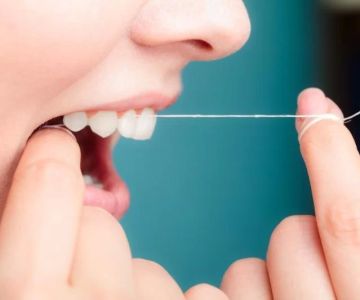
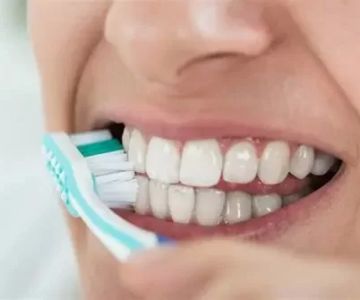
Brushing twice a day with a soft-bristled toothbrush and using gentle mouthwash helps reduce irritation. Flossing daily ensures food particles and bacteria are cleared, reducing the chance of inflammation that could lead to ulcers.
2. Balanced Nutrition
Eating a diet rich in vitamins and minerals supports tissue repair and strengthens immunity. Including leafy greens, whole grains, and lean proteins makes a noticeable difference in overall oral health.
3. Stress Management
Simple practices like deep breathing, exercise, and quality sleep not only support mental health but also lower the frequency of stress-related ulcers. Parents often share that family walks or weekend getaways reduce stress and help improve everyone’s oral health.
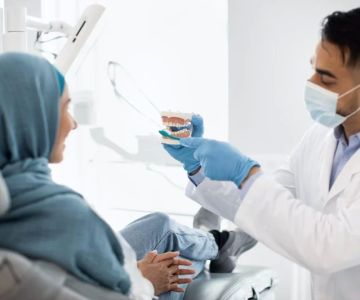
4. Professional Dental Checkups
Regular dental visits allow professionals to identify hygiene issues early and provide tailored recommendations. Families across the U.S. often find that routine cleanings drastically cut down on mouth ulcers and other oral problems.
Real-Life Story of Healing Through Better Hygiene
A young professional in Denver struggled with constant mouth ulcers that made public speaking painful. After consulting a dentist, he was advised to improve brushing techniques and start using a fluoride-based mouth rinse. Within weeks, the ulcers became less frequent, and he regained his confidence at work. This story highlights how simple changes can have a big impact on daily life.
When to Seek Professional Help
While most ulcers heal on their own in one to two weeks, persistent or unusually large sores should not be ignored. If ulcers occur more than three times a month or are accompanied by fever and fatigue, it is important to see a dentist or physician. Early evaluation can rule out serious health issues and provide quicker relief.
Final Thoughts on Oral Hygiene and Mouth Ulcers
Bad oral hygiene can indeed increase the chances of developing mouth ulcers, but it is just one piece of a larger picture. By combining good hygiene practices, balanced nutrition, stress management, and regular dental visits, individuals can dramatically reduce discomfort and enjoy better oral health. For more guidance and personalized recommendations, families can explore resources at Family Dentistry Online to find trusted services that fit their needs.


 Nano Dentistry4.0 (6 review)
 Susan J. Curley, DDS4.0 (282 review)
 Dental Group of Covina3.0 (865 review)
 Duvall Family Dental- Dr. Jessica Chen4.0 (431 review)
 Associated Dental Specialists of Long Grove4.0 (529 review)
 Nak4 Orthodontics Arlington Heights4.0 (253 review)
 The Importance of Oral Health Education During Pregnancy for a Healthy Pregnancy
 Best Tips for Brushing Your Teeth Properly for Healthy Gums: Essential Techniques for Oral Health
 Why Skipping Dental Checkups Can Lead to Bigger Oral Health Problems
 Advantages of Porcelain Dental Restorations
 How Can Diabetes Cause Tooth and Gum Problems? Preventing and Managing Oral Health Issues
 Healthy Habits for Promoting Good Oral Health and Hygiene: Tips for a Healthy Smile