
Dental X-Rays: Everything You Need to Know About This Essential Dental Diagnostic Tool
- What Are Dental X-Rays?
- Types of Dental X-Rays
- Why Are Dental X-Rays Important?
- Are Dental X-Rays Safe?
- Where to Get Dental X-Rays
1. What Are Dental X-Rays?
Dental x-rays, also known as dental radiographs, are a crucial diagnostic tool used by dentists to examine the health of your teeth, gums, and jaw. They help detect problems that may not be visible during a routine dental exam, such as cavities, infections, bone loss, or impacted teeth.
These x-rays use low levels of radiation to capture images of the interior of your teeth and surrounding structures, allowing dentists to identify and treat oral health issues before they become severe.
2. Types of Dental X-Rays
There are several types of dental x-rays, each serving a specific purpose in diagnosing oral health conditions:
- Bitewing X-Rays: These are used to detect cavities between teeth and monitor bone loss caused by gum disease.
- Periapical X-Rays: These focus on a single tooth from root to crown and are useful in detecting infections, abscesses, or deep cavities.
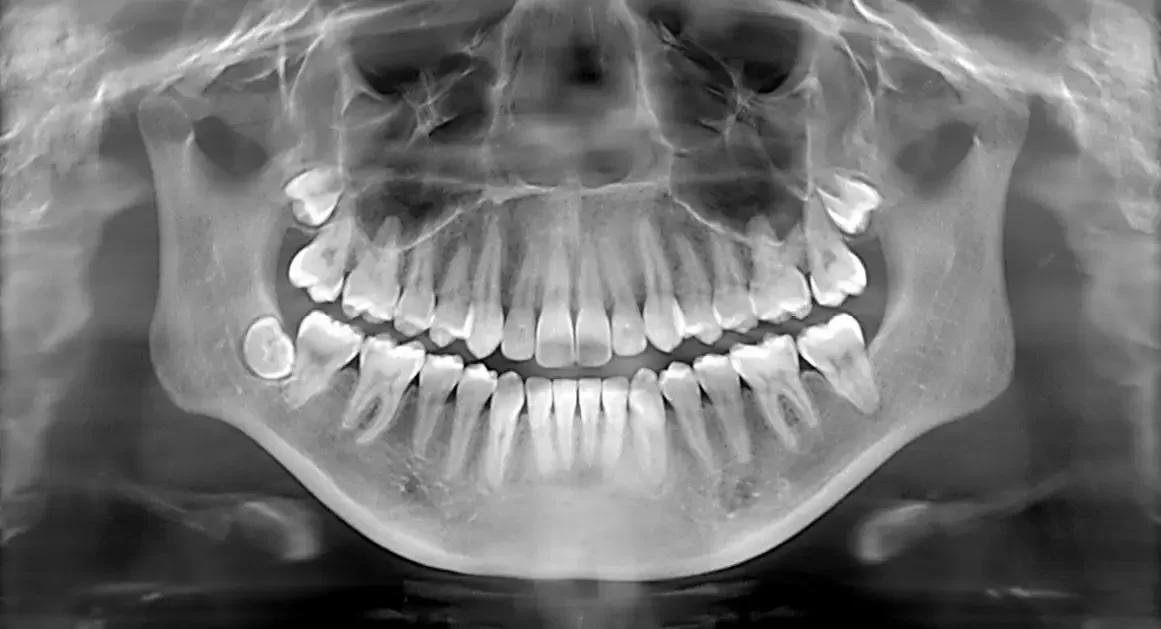
- Panoramic X-Rays: This type provides a full view of the mouth, including teeth, jawbones, and sinuses, making it helpful for detecting impacted teeth or planning orthodontic treatments.
- Occlusal X-Rays: These help evaluate the development and positioning of teeth, particularly in children.
- CBCT (Cone Beam Computed Tomography): A more advanced 3D imaging technique used for detailed evaluation of the jawbone, nerves, and sinuses, often utilized for implant planning and complex dental cases.
Each type of dental x-ray plays an important role in diagnosing and treating different oral health issues.
3. Why Are Dental X-Rays Important?
Dental x-rays are an essential part of maintaining oral health, as they help identify issues that might not be noticeable to the naked eye. Some key reasons why dental x-rays are important include:
- Early Detection of Cavities: X-rays help detect cavities between teeth or beneath fillings before they become painful and require extensive treatment.
- Monitoring Bone Loss: For patients with gum disease, x-rays can reveal bone loss and help dentists develop an appropriate treatment plan.
- Identifying Infections: Dental x-rays can detect infections or abscesses that may not cause immediate symptoms but could lead to serious health issues if left untreated.
- Orthodontic Planning: X-rays help orthodontists assess tooth positioning and plan treatments such as braces or aligners.
- Checking Tooth Development in Children: X-rays are useful in monitoring the growth of permanent teeth and identifying potential alignment issues early on.
Regular dental x-rays, as recommended by your dentist, can prevent minor dental problems from turning into major concerns.
4. Are Dental X-Rays Safe?
Many people worry about radiation exposure from dental x-rays, but they are considered very safe due to modern technology that minimizes radiation levels. Here are a few reasons why dental x-rays pose little risk:
- Low Radiation Exposure: Modern digital x-rays use up to 80% less radiation than traditional film x-rays.
- Protective Shields: Dentists use lead aprons and thyroid collars to further reduce radiation exposure.
- Only Taken When Necessary: Dentists only recommend x-rays when absolutely needed, ensuring minimal exposure.
- Pregnancy Considerations: While dental x-rays are safe, pregnant women should inform their dentist to take extra precautions or delay non-essential imaging.
Overall, the benefits of dental x-rays in diagnosing and preventing dental issues far outweigh the minimal risks associated with their use.
5. Where to Get Dental X-Rays
If you need a dental x-ray, it’s essential to visit a trusted dental clinic that uses the latest technology to ensure accurate and safe imaging. Here are some places where you can get high-quality dental x-rays:
- Dentistry Toothtruth: A leading provider of advanced dental imaging services, Dentistry Toothtruth offers state-of-the-art digital x-rays for safe and accurate diagnosis. Learn more about their dental x-ray services here.
- General Dentists: Most dental offices offer x-rays as part of routine check-ups and diagnostic exams.
- Orthodontic Clinics: If you are considering braces or aligners, orthodontists often perform panoramic x-rays for treatment planning.
- Oral Surgeons: Specialized dental x-rays such as CBCT scans are commonly performed at oral surgery clinics for procedures like dental implants or wisdom teeth extractions.
When selecting a dental clinic for x-rays, ensure they use the latest technology for the best diagnostic results with minimal radiation exposure.






 Gold Coast Dental - Rancho Santa Margarita3.0 (7 review)
 Shiney Smiles Orthodontics5.0 (165 review)
 Bindi Patel D.D.S4.0 (77 review)
 Red Dirt Orthodontics5.0 (912 review)
 Universal Dentistry4.0 (273 review)
 Heritage Grove Family Dental - Plainfield Dental Clinic4.0 (1397 review)
 The Importance of Oral Health Education During Pregnancy for a Healthy Pregnancy
 Best Tips for Brushing Your Teeth Properly for Healthy Gums: Essential Techniques for Oral Health
 Why Skipping Dental Checkups Can Lead to Bigger Oral Health Problems
 Advantages of Porcelain Dental Restorations
 How Can Diabetes Cause Tooth and Gum Problems? Preventing and Managing Oral Health Issues
 Healthy Habits for Promoting Good Oral Health and Hygiene: Tips for a Healthy Smile