
Are Dental Veneers Covered by Insurance? Everything You Need to Know
- 1. Understanding Dental Veneers
- 2. Are Dental Veneers Covered by Insurance?
- 3. Types of Insurance That May Cover Veneers
- 4. Factors That Affect Dental Veneers Insurance Coverage
- 5. Alternative Options for Financing Dental Veneers
- 6. Real-Life Stories: Dental Veneers Insurance Experiences
- 7. Tips to Save on Dental Veneers
1. Understanding Dental Veneers
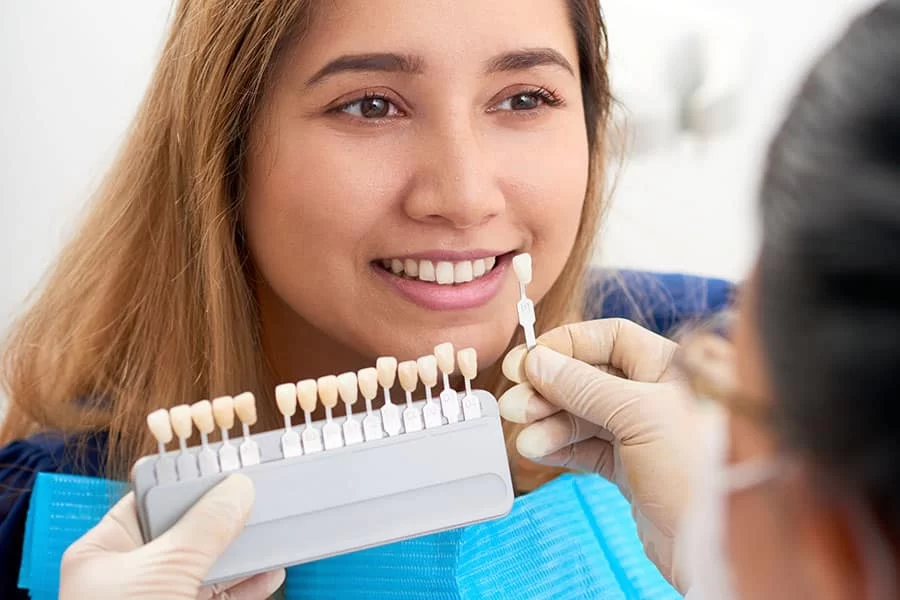
Dental veneers are thin, custom-made shells of tooth-colored materials that cover the front surface of teeth. They are often used for cosmetic purposes to fix issues such as discoloration, chips, or misalignment. Veneers can be a great way to improve your smile, but the cost can be a significant concern for many patients.
2. Are Dental Veneers Covered by Insurance?
One of the most common questions people have when considering veneers is whether dental insurance will cover the cost. The answer largely depends on whether the procedure is considered cosmetic or medically necessary. Most dental insurance policies classify veneers as cosmetic procedures, which means they are typically not covered.
However, there are exceptions. If your veneers are needed for medical reasons—such as to repair a damaged tooth or to restore dental function—your insurance may provide partial coverage. For example, if the veneer is needed due to an injury or a health condition like tooth decay or a fracture, your insurance provider may be willing to cover some or all of the cost.
3. Types of Insurance That May Cover Veneers
While dental insurance often excludes cosmetic procedures like veneers, certain types of insurance may still offer some coverage under specific circumstances:
- Health Insurance: In rare cases, health insurance may cover veneers if the procedure is deemed medically necessary due to an accident or injury.
- Dental Insurance: Some dental plans may offer partial coverage for veneers if they are used for restorative purposes, such as covering a damaged tooth that affects your ability to chew or speak.
- Supplemental Insurance: Supplemental dental insurance plans, which focus more on cosmetic procedures, may provide coverage for veneers, especially if you select a higher-tier plan.
4. Factors That Affect Dental Veneers Insurance Coverage
There are several factors that can influence whether dental veneers are covered by insurance:
- Procedure Type: Cosmetic veneers are less likely to be covered compared to restorative veneers used to fix a tooth after an injury or decay.
- Insurance Plan: The type of dental plan you have plays a huge role in whether veneers are covered. Basic plans may not cover cosmetic procedures, while comprehensive plans may offer partial coverage for certain conditions.
- Pre-Existing Conditions: If the need for veneers is linked to an existing dental issue, such as tooth damage or wear, insurance providers may consider it for coverage.
- Provider Network: Some insurance companies only cover veneers when you use a network-approved dentist. Make sure to check if your dentist is in-network.
5. Alternative Options for Financing Dental Veneers
If your dental insurance doesn’t cover veneers, there are still several ways to make the procedure more affordable:
- Payment Plans: Many dental clinics offer financing options or payment plans, allowing you to pay for veneers over time.
- Health Savings Accounts (HSAs) or Flexible Spending Accounts (FSAs): These accounts allow you to save pre-tax money that can be used for dental procedures, including veneers.
- Personal Loans: If other options don’t work, consider taking out a personal loan to cover the cost of veneers.
6. Real-Life Stories: Dental Veneers Insurance Experiences
Consider the experience of Rachel, a 32-year-old from Los Angeles who needed veneers to repair chipped front teeth caused by a sports injury. Rachel’s dental insurance policy initially did not cover veneers because it was deemed cosmetic. However, after providing her dentist with documentation of the injury and how it affected her ability to smile and eat comfortably, the insurance company approved partial coverage.
Another example is John, who was interested in veneers solely for cosmetic purposes. His dental insurance provider denied coverage, as the procedure was not deemed medically necessary. John decided to finance the veneers through a dental payment plan offered by his dentist’s office, making the procedure more affordable.
7. Tips to Save on Dental Veneers
If you are considering dental veneers and your insurance doesn't cover them, here are some tips to reduce costs:
- Shop Around for Dentists: Get quotes from several dentists to compare prices and find the most affordable option for veneers.
- Consider Alternative Materials: Porcelain veneers are often more expensive than composite resin veneers, so consider the latter if you’re on a budget.
- Use Discounts or Special Offers: Some dental practices offer seasonal promotions or discounts for procedures like veneers.
Ultimately, dental veneers are a significant investment in your smile, but they can be made more affordable with the right approach. Be sure to speak with your insurance provider and dentist about your options.
If you're looking for expert guidance on veneers and dental insurance, Dentistry Toothtruth is here to help. Visit our website for more information on how we can assist you with your dental needs.






 McCall Family Dentistry5.0 (718 review)
 Rapid City Dental Clinic4.0 (90 review)
 Dr. George Diaz, DDS5.0 (91 review)
 A2Z SMILE CARE4.0 (738 review)
 Bismarck Advanced Dental and Implants4.0 (657 review)
 Great Smiles Dental Care4.0 (472 review)
 The Importance of Oral Health Education During Pregnancy for a Healthy Pregnancy
 Best Tips for Brushing Your Teeth Properly for Healthy Gums: Essential Techniques for Oral Health
 Why Skipping Dental Checkups Can Lead to Bigger Oral Health Problems
 Advantages of Porcelain Dental Restorations
 How Can Diabetes Cause Tooth and Gum Problems? Preventing and Managing Oral Health Issues
 Healthy Habits for Promoting Good Oral Health and Hygiene: Tips for a Healthy Smile