
What is Dental Scaling and Root Planing? A Comprehensive Guide to Deep Cleaning and Gum Health
- 1. Understanding Scaling and Root Planing
- 2. Why Scaling and Root Planing are Necessary
- 3. The Procedure of Scaling and Root Planing
- 4. Benefits of Scaling and Root Planing
- 5. Who Needs Scaling and Root Planing?
- 6. Aftercare and Maintenance Following Scaling and Root Planing
1. Understanding Scaling and Root Planing
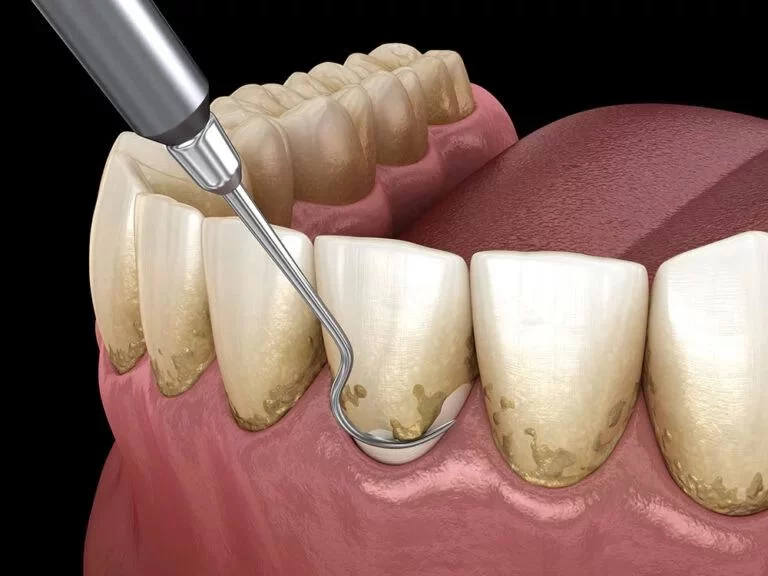
Dental scaling and root planing is a non-surgical procedure that is considered one of the most effective treatments for gum disease (periodontal disease). Often referred to as a "deep cleaning," this procedure involves the removal of plaque, tartar (calculus), and bacteria from below the gum line and smoothing the root surfaces of the teeth.
Scaling refers to the removal of plaque and tartar from the surfaces of the teeth, while root planing involves smoothing the tooth roots to help them reattach to the gums. This treatment is often recommended when the gums begin to recede or when pockets form around the teeth due to gum disease.
2. Why Scaling and Root Planing are Necessary
Scaling and root planing are essential for treating early stages of gum disease (gingivitis) and more advanced cases (periodontitis). These conditions occur when plaque and tartar build up on the teeth and irritate the gums, leading to inflammation, infection, and gum recession.
If left untreated, gum disease can progress and affect the bone supporting the teeth, leading to tooth loss. Scaling and root planing help to remove harmful bacteria and promote healing by allowing the gums to reattach to the teeth.
3. The Procedure of Scaling and Root Planing
During a scaling and root planing session, your dentist or hygienist will first numb the area with a local anesthetic to ensure you are comfortable. The procedure may be performed over multiple visits, especially if you have significant plaque and tartar buildup.
Scaling involves using specialized tools to remove the plaque and tartar above and below the gum line. This may be done manually or with an ultrasonic device, which vibrates to break up the buildup.
Root Planing is the next step, which involves smoothing the surfaces of the tooth roots to remove any bacteria and allow the gums to reattach properly. The goal is to create a clean surface that encourages healing and prevents further infection.
4. Benefits of Scaling and Root Planing
Scaling and root planing offer several important benefits for your oral health:
- Prevents tooth loss: By treating gum disease early, scaling and root planing help to stop the disease from progressing and causing permanent tooth loss.
- Improves gum health: The procedure removes harmful bacteria, reduces inflammation, and encourages the gums to reattach to the teeth.
- Reduces bad breath: Scaling and root planing remove the bacteria and plaque that contribute to bad breath.
- Restores your smile: By eliminating the buildup of plaque and tartar, scaling and root planing can help make your smile look cleaner and healthier.
5. Who Needs Scaling and Root Planing?
Scaling and root planing are typically recommended for individuals with moderate to severe gum disease, characterized by symptoms such as:
- Bleeding gums when brushing or flossing
- Persistent bad breath (halitosis)
- Receding gums
- Loose or shifting teeth
Even if you do not have these symptoms, scaling and root planing may be recommended if your dentist detects pockets around your teeth, indicating the early stages of gum disease.
6. Aftercare and Maintenance Following Scaling and Root Planing
After undergoing scaling and root planing, it’s important to follow proper aftercare to ensure the healing process goes smoothly. Your dentist will likely recommend a follow-up appointment to check on the progress and monitor gum health.
To maintain the benefits of the procedure, it’s essential to follow a diligent oral hygiene routine, which includes brushing twice a day, flossing daily, and using an antimicrobial mouthwash. Your dentist may also suggest more frequent cleanings to ensure that plaque and tartar do not build up again.
If you are in need of scaling and root planing or have concerns about your gum health, visit Dentistry Toothtruth to learn more about the procedure and how it can help restore your smile.






 Jeffrey J. Emmi, DMD5.0 (3 review)
 Garrity Square Dental4.0 (6 review)
 SimpliSmiles Farmingdale4.0 (386 review)
 Great Expressions Dental Centers - New City4.0 (362 review)
 Shandley Kane Dental5.0 (319 review)
 Canyon Crest Dental4.0 (1293 review)
 The Importance of Oral Health Education During Pregnancy for a Healthy Pregnancy
 Best Tips for Brushing Your Teeth Properly for Healthy Gums: Essential Techniques for Oral Health
 Why Skipping Dental Checkups Can Lead to Bigger Oral Health Problems
 Advantages of Porcelain Dental Restorations
 How Can Diabetes Cause Tooth and Gum Problems? Preventing and Managing Oral Health Issues
 Healthy Habits for Promoting Good Oral Health and Hygiene: Tips for a Healthy Smile