
Dental Procedures for Tooth Restoration: Exploring Effective Options for Damaged Teeth
- 1. Understanding Tooth Restoration
- 2. When You Need Tooth Restoration
- 3. Common Dental Procedures for Tooth Restoration
- 4. How Dental Implants Work for Tooth Restoration
- 5. Fillings and Crowns for Restoring Teeth
- 6. Bridges and Root Canals: What You Need to Know
- 7. Real-Life Success Stories of Tooth Restoration
- 8. How to Choose the Right Tooth Restoration Option
1. Understanding Tooth Restoration
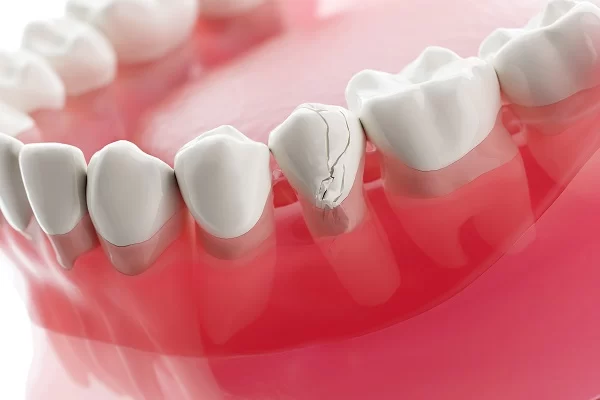
Tooth restoration refers to dental procedures that restore the functionality and appearance of damaged or decayed teeth. Whether you have a broken, cracked, or severely decayed tooth, restoration procedures help repair your smile, enhance oral health, and restore chewing function. These procedures can be simple or complex depending on the extent of the damage.
Tooth restoration procedures not only focus on aesthetics but also on the long-term health of the tooth. By addressing the underlying damage, these treatments can help prevent further complications such as infection or tooth loss.
2. When You Need Tooth Restoration
Tooth restoration may be necessary when you experience one or more of the following conditions:
- Severe tooth decay or cavities
- Cracked or broken teeth due to trauma
- Worn-down teeth from grinding or age
- Loss of tooth structure due to large fillings
If you notice any of these issues, it’s important to consult a dentist promptly. Without intervention, the damage can worsen, leading to more serious oral health problems.
3. Common Dental Procedures for Tooth Restoration
There are several options available when it comes to restoring damaged teeth. The most common dental procedures include:
- Fillings: Used to fill cavities and restore the structure of decayed teeth. Fillings can be made of various materials, including amalgam, composite resin, and porcelain.
- Crowns: Crowns are placed over damaged teeth to restore their shape, size, and strength. They are typically used for teeth that are severely decayed or cracked.
- Bridges: Bridges are used to replace missing teeth by anchoring artificial teeth to adjacent natural teeth or implants.
- Root Canals: Root canal therapy involves removing the infected pulp of a tooth and sealing it, preventing further decay and infection.
4. How Dental Implants Work for Tooth Restoration
Dental implants are a popular option for tooth restoration, particularly when a tooth is missing or cannot be saved by other procedures. Implants involve inserting a titanium post into the jawbone, which acts as a replacement root for a missing tooth. Once the implant fuses with the bone, a crown is placed on top to restore the tooth’s function and appearance.
Implants are durable, long-lasting, and look and feel like natural teeth. They are also an ideal solution for people who have lost teeth due to injury or decay.
5. Fillings and Crowns for Restoring Teeth
Fillings are a quick and effective solution for cavities and minor tooth damage. They prevent further decay and help restore the tooth’s natural shape. Depending on the material used, fillings can blend seamlessly with the natural color of the tooth, making them a good option for visible areas.
Crowns, on the other hand, are often used when a tooth is too damaged for a simple filling. Crowns completely cover the tooth, providing protection and restoring its appearance and function. Crowns can be made from materials like porcelain, metal, or a combination of both, depending on the needs and preferences of the patient.
6. Bridges and Root Canals: What You Need to Know
Bridges are a versatile solution for replacing missing teeth. They consist of one or more artificial teeth attached to crowns that fit over the adjacent natural teeth or implants. Bridges restore both the appearance and function of your smile while preventing surrounding teeth from shifting.
Root canal therapy is often necessary when a tooth’s pulp becomes infected or damaged. It involves removing the infected pulp and sealing the tooth to prevent further infection. Although root canals have a reputation for being painful, modern techniques and anesthesia make the procedure relatively comfortable.
7. Real-Life Success Stories of Tooth Restoration
Many people have experienced life-changing results from tooth restoration procedures. Take, for example, Sarah, a 55-year-old woman who had been living with a cracked tooth for years. After opting for a dental crown, Sarah was able to eat and speak comfortably again, and her smile looked as good as new.
John, a 62-year-old man, had lost several teeth due to advanced decay. After undergoing dental implant surgery, John now has a complete set of teeth that function as well as natural teeth, allowing him to enjoy his meals and speak with confidence once again.
8. How to Choose the Right Tooth Restoration Option
Choosing the right tooth restoration option depends on several factors, including the extent of the damage, the location of the tooth, and your personal preferences. Your dentist will evaluate your oral health and recommend the most suitable treatment for your needs. It’s important to consider factors like durability, appearance, and cost when making your decision.
If you are unsure about which procedure is best for you, consult with your dentist to discuss your options in more detail. They can help guide you toward the treatment that will provide the best results for your oral health and overall well-being.
For more information on tooth restoration and to explore your options, visit Dentistry Toothtruth.






 Emergency Dentist 24/72.0 (3 review)
 Dr. Nancy J. Cashman, DDS4.0 (8 review)
 Nuttall Smiles4.0 (424 review)
 Somos Dental & Orthodontics - Avondale4.0 (443 review)
 Kid's Dental4.0 (280 review)
 Dr. April Bridges-Poquis, DDS5.0 (2 review)
 The Importance of Oral Health Education During Pregnancy for a Healthy Pregnancy
 Best Tips for Brushing Your Teeth Properly for Healthy Gums: Essential Techniques for Oral Health
 Why Skipping Dental Checkups Can Lead to Bigger Oral Health Problems
 Advantages of Porcelain Dental Restorations
 How Can Diabetes Cause Tooth and Gum Problems? Preventing and Managing Oral Health Issues
 Healthy Habits for Promoting Good Oral Health and Hygiene: Tips for a Healthy Smile