
What Are the Risks Associated with Dental Implants? Understanding Potential Complications
- 1. Understanding Dental Implants
- 2. How Dental Implants Work
- 3. Common Risks of Dental Implants
- 4. Infection and Dental Implants
- 5. Implant Failure and Rejection
- 6. Nerve Damage During Surgery
- 7. Damage to Surrounding Teeth
- 8. Long-Term Issues with Dental Implants
- 9. How to Minimize Risks and Ensure Success
1. Understanding Dental Implants
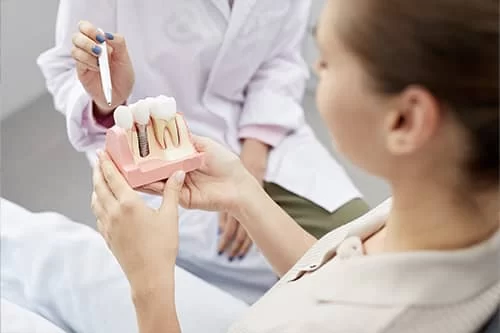
Dental implants are a popular solution for replacing missing teeth, providing a permanent and durable option for restoring function and aesthetics. They consist of a titanium post that is surgically placed into the jawbone, acting as a replacement root for a missing tooth. Once the implant has fused with the bone (a process called osseointegration), a crown or bridge is placed on top to restore the appearance and functionality of the missing tooth.
While dental implants offer many benefits, it’s important to understand that they do come with certain risks and complications, much like any surgery. These risks can range from minor discomfort to more serious issues such as infection or implant failure. In this article, we will explore the various risks associated with dental implants and how to address them.
2. How Dental Implants Work
The process of getting a dental implant typically involves several stages. First, a thorough examination is conducted, including X-rays or CT scans, to assess the jawbone’s condition and determine if it is suitable for implantation. If the bone is insufficient, bone grafting may be required to strengthen the area.
Once the bone has healed, the titanium post is surgically placed into the jawbone. Over the next few months, the bone will fuse with the implant. After successful osseointegration, an abutment is attached to the implant, and a custom-made crown or bridge is placed on top. While the procedure is relatively straightforward, there are several risks that patients should be aware of during and after the process.
3. Common Risks of Dental Implants
While dental implants are highly effective for restoring missing teeth, like any surgical procedure, they carry risks. Some of the most common risks associated with dental implants include:
- Pain and discomfort: Post-surgery pain, swelling, and bruising are common, but typically subside within a few days.
- Bleeding: Excessive bleeding during or after surgery can occur, although this is typically controlled with appropriate measures.
- Infection: Infection at the implant site is a serious risk and can delay healing, leading to implant failure.
- Implant failure: In some cases, the implant does not properly integrate with the bone, leading to implant failure.
4. Infection and Dental Implants
One of the most significant risks associated with dental implants is infection. This can occur either at the time of surgery or after the implant has been placed. An infection at the implant site can cause swelling, pain, and in some cases, the failure of the implant. Signs of infection include:
- Redness or swelling around the implant site
- Fever
- Unusual discharge from the implant site
To minimize the risk of infection, it’s crucial to follow post-operative care instructions, such as keeping the area clean, taking prescribed antibiotics, and avoiding smoking, which can impede healing.
5. Implant Failure and Rejection
Although dental implants are designed to fuse with the jawbone, sometimes this process doesn’t occur successfully, resulting in implant failure. Several factors can contribute to this, including:
- Inadequate bone density or bone quality
- Infection at the surgical site
- Excessive stress on the implant due to improper bite alignment
- Smoking or poor oral hygiene
In rare cases, the body may reject the implant, which can cause the implant to loosen or fail. If the implant fails, it may need to be removed, and a new one may be placed after further evaluation of the underlying causes.
6. Nerve Damage During Surgery
During the placement of dental implants, there is a small risk of nerve damage. The lower jaw contains the inferior alveolar nerve, which controls sensation in the lower lip, chin, and gums. If this nerve is damaged during surgery, it can result in numbness or tingling sensations that may be temporary or, in rare cases, permanent.
To minimize this risk, the surgeon must carefully plan the placement of the implant using advanced imaging techniques. This ensures that the implant is placed in a safe location, avoiding critical nerves.
7. Damage to Surrounding Teeth
In some cases, the dental implant procedure may inadvertently damage neighboring teeth or soft tissue. This could be caused by improper placement of the implant or by accidental contact during surgery. Damage to surrounding teeth may lead to further dental procedures or even require extraction of adjacent teeth.
To avoid this, it’s crucial to choose an experienced dental surgeon who has a proven track record with implant placement and uses precise techniques and tools.
8. Long-Term Issues with Dental Implants
While dental implants are highly durable and long-lasting, they are not immune to long-term issues. Over time, the implant may experience wear and tear, leading to problems such as:
- Implant loosening due to bone loss
- Peri-implantitis, an infection of the tissue surrounding the implant
- Loss of the implant due to mechanical failure or bone resorption
Regular dental check-ups and proper care are essential to prevent these long-term issues and ensure the implant remains in good condition.
9. How to Minimize Risks and Ensure Success
There are several steps you can take to minimize the risks associated with dental implants and ensure a successful outcome:
- Choose an experienced and qualified dentist who specializes in implant surgery.
- Follow all pre-operative and post-operative instructions provided by your dentist.
- Maintain excellent oral hygiene and avoid smoking, as it can hinder healing.
- Attend regular check-ups to monitor the health of your implant and surrounding tissues.
By taking these precautions, you can significantly reduce the chances of complications and increase the likelihood of a successful dental implant experience.






 McCall Family Dentistry5.0 (718 review)
 Rapid City Dental Clinic4.0 (90 review)
 Dr. George Diaz, DDS5.0 (91 review)
 A2Z SMILE CARE4.0 (738 review)
 Bismarck Advanced Dental and Implants4.0 (657 review)
 Great Smiles Dental Care4.0 (472 review)
 The Importance of Oral Health Education During Pregnancy for a Healthy Pregnancy
 Best Tips for Brushing Your Teeth Properly for Healthy Gums: Essential Techniques for Oral Health
 Why Skipping Dental Checkups Can Lead to Bigger Oral Health Problems
 Advantages of Porcelain Dental Restorations
 How Can Diabetes Cause Tooth and Gum Problems? Preventing and Managing Oral Health Issues
 Healthy Habits for Promoting Good Oral Health and Hygiene: Tips for a Healthy Smile