
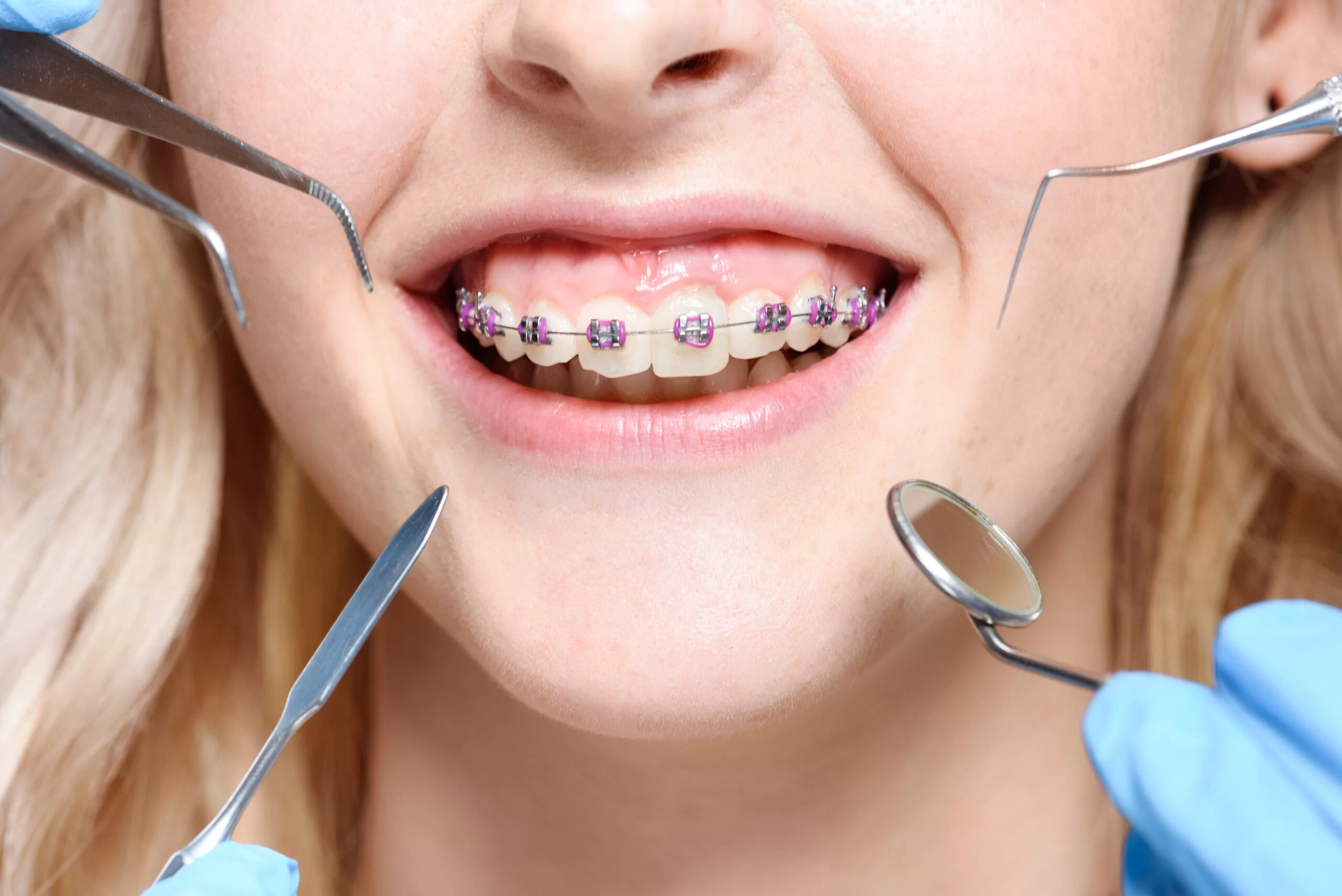
Essential Dental Care Tips for People with Braces: Keep Your Teeth and Gums Healthy
- Why Dental Care is Critical for People with Braces
- Step-by-Step Guide to Braces Care
- Common Braces Care Mistakes to Avoid
- Additional Tips for Maintaining Oral Hygiene with Braces
- Real-Life Experience with Braces Care
1. Why Dental Care is Critical for People with Braces
When you have braces, proper dental care becomes more important than ever. Braces are designed to straighten teeth, but they also create small spaces where food particles and plaque can easily accumulate. If not properly cleaned, this can lead to tooth decay, gum disease, and even damage to your braces.
The added challenge of braces means that regular brushing and flossing may not be enough. Understanding how to care for your braces and teeth together will help ensure that your treatment progresses smoothly and that your oral health remains intact throughout.
2. Step-by-Step Guide to Braces Care
Maintaining oral hygiene with braces requires extra attention and effort. Here is a step-by-step guide to help you keep your braces and teeth clean:
Step 1: Brush After Every Meal
With braces, food can easily get trapped between the wires and brackets. To prevent plaque buildup, it’s crucial to brush your teeth after every meal. Use a soft-bristled toothbrush and fluoride toothpaste to gently clean your teeth, making sure to brush around your braces, not just your teeth.
Tip: Consider using an orthodontic toothbrush, which is specifically designed to clean around brackets and wires more effectively.
Step 2: Floss Daily
Flossing with braces can be challenging, but it’s essential to remove food particles from areas that your toothbrush can’t reach. Use a floss threader or orthodontic floss to make the process easier.
Tip: Flossing helps prevent cavities between your teeth and reduces the risk of gum disease.
Step 3: Use Mouthwash
Rinsing with an antimicrobial mouthwash after brushing and flossing helps kill bacteria and reduces plaque buildup. Choose a mouthwash that contains fluoride to strengthen your tooth enamel and prevent cavities.
Tip: Mouthwash is especially helpful if you have trouble reaching certain areas with your toothbrush or floss.
Step 4: Clean Your Braces
In addition to cleaning your teeth, it’s important to clean your braces themselves. Use a special orthodontic cleaning tool or an interdental brush to clean around the brackets and wires. This will help prevent plaque from building up on the braces and protect your teeth.
3. Common Braces Care Mistakes to Avoid
Even with the best intentions, there are common mistakes that many people with braces make when caring for their teeth. Here are some mistakes to watch out for:
Neglecting to Clean Around the Braces
It’s easy to focus on brushing your teeth and forget to clean the braces themselves. However, if plaque builds up on the brackets, it can lead to staining, cavities, and even gum disease.
Skipping Flossing
Many people with braces skip flossing because it can be difficult. However, flossing is a crucial part of maintaining your oral health. Skipping this step can lead to cavities between your teeth and gum inflammation.
Consuming Sticky or Hard Foods
While you have braces, it’s important to avoid sticky or hard foods that can damage your braces or get stuck in your teeth. Foods like caramel, nuts, popcorn, and ice should be avoided to prevent broken wires and brackets.
Not Visiting Your Orthodontist Regularly
Regular visits to your orthodontist are essential for ensuring that your braces are working correctly. Missing appointments or not addressing issues promptly can delay the treatment process.
4. Additional Tips for Maintaining Oral Hygiene with Braces
In addition to the basic care routine, here are a few extra tips to help keep your braces and teeth in top condition:
Use Orthodontic Wax
If your braces cause irritation to the inside of your mouth, orthodontic wax can be applied to the brackets and wires to provide relief. This wax helps prevent cuts and sores from developing on your gums and cheeks.
Drink Plenty of Water
Drinking water throughout the day can help wash away food particles and bacteria from your mouth. It also helps neutralize acids and prevent dry mouth, which can lead to cavities and other dental issues.
Be Patient and Consistent
Maintaining oral hygiene with braces can be time-consuming and sometimes frustrating. However, consistency is key. If you stick to your cleaning routine and take good care of your braces, the rewards will be worth it once your treatment is complete.
5. Real-Life Experience with Braces Care
Take the case of Sarah, a 30-year-old professional who struggled with keeping her braces clean due to her busy lifestyle. After she started following a more consistent dental care routine—brushing, flossing, and using mouthwash regularly—she saw a marked improvement in her oral health. Her orthodontist also recommended that she avoid eating hard candies and sticky foods, which helped her treatment progress smoothly.
Sarah’s story is a testament to the importance of proper braces care and how small changes in daily habits can make a significant difference in the long run.
For more expert tips on dental care with braces and to explore our range of oral hygiene products, visit Dentistry Toothtruth.






 Dental Solutions of Roxborough4.0 (219 review)
 Dental365 - Throgs Neck4.0 (554 review)
 Children's Dentistry of Maine3.0 (23 review)
 Palo Alto Orthodontics5.0 (249 review)
 Plaza Dentistry5.0 (612 review)
 Chesterfield Family and Cosmetic Dental Center4.0 (266 review)
 The Importance of Oral Health Education During Pregnancy for a Healthy Pregnancy
 Best Tips for Brushing Your Teeth Properly for Healthy Gums: Essential Techniques for Oral Health
 Why Skipping Dental Checkups Can Lead to Bigger Oral Health Problems
 Advantages of Porcelain Dental Restorations
 How Can Diabetes Cause Tooth and Gum Problems? Preventing and Managing Oral Health Issues
 Healthy Habits for Promoting Good Oral Health and Hygiene: Tips for a Healthy Smile