
Essential Dental Care for Seniors: Maintaining Healthy Teeth in Later Years
- Why Senior Oral Health Matters
- Common Oral Health Issues for Seniors
- Best Dental Care Tips for Seniors
- How to Choose Dental Products for Seniors
- The Importance of Regular Dental Visits for Seniors
Why Senior Oral Health Matters
As we age, maintaining good dental health becomes increasingly important. Proper dental care for seniors is essential not just for a bright smile but also for overall health. Poor oral health can lead to severe conditions such as gum disease, tooth loss, and even heart disease. In fact, research has shown a strong connection between oral health and systemic conditions, such as diabetes and stroke. Seniors, therefore, need to prioritize dental care to maintain both their physical well-being and their quality of life.
Common Oral Health Issues for Seniors
As we age, the risk of developing certain oral health problems increases. Here are some common issues seniors face:
- Dry Mouth (Xerostomia): Reduced saliva production is common in seniors, especially those on certain medications. Saliva is crucial for neutralizing acids and washing away food particles, so its absence can lead to cavities and gum disease.
- Gum Disease: Gum disease becomes more prevalent as we age, and if untreated, it can lead to tooth loss. Seniors may experience gum recession or infections, which can cause significant oral health problems.
- Tooth Sensitivity: As enamel wears down with age, teeth may become more sensitive to hot and cold foods, making eating and drinking uncomfortable.
- Tooth Loss: Tooth loss is common among seniors due to poor oral hygiene, decay, and gum disease. Replacing lost teeth with dentures or implants is essential to restore function and appearance.
These conditions highlight the importance of proactive and specialized dental care for seniors to prevent long-term health complications.
Best Dental Care Tips for Seniors
Good oral hygiene doesn’t change with age, but some adjustments might be needed. Here are the best dental care practices for seniors to ensure healthy teeth and gums:
- Brush Twice a Day: Brushing twice a day with fluoride toothpaste is essential for maintaining oral health. Seniors should consider using an electric toothbrush, which can be more effective at removing plaque and tartar.
- Floss Daily: Flossing helps remove food particles and plaque between teeth, areas that a toothbrush cannot reach. Special floss or flossers designed for seniors with arthritis may make this task easier.
- Stay Hydrated: Drinking water throughout the day helps combat dry mouth and keeps the mouth moist. It also promotes saliva production, which is important for neutralizing acids and protecting against cavities.
- Use Alcohol-Free Mouthwash: Alcohol can dry out the mouth, exacerbating dry mouth. Opt for an alcohol-free mouthwash that helps kill bacteria and promotes oral health without causing discomfort.
- Choose Soft, Non-Abrasive Products: Seniors with sensitive teeth or gums should select gentle toothbrushes and toothpaste to prevent further irritation. A soft-bristled toothbrush is ideal for protecting delicate gum tissues.
By following these simple yet effective tips, seniors can maintain their dental health and avoid common age-related issues.
How to Choose Dental Products for Seniors
Selecting the right dental products is key to effective care. Seniors should look for items that suit their specific oral health needs. Here are some tips on choosing the best products:
- Toothbrush: Electric toothbrushes are highly recommended for seniors as they can provide a more thorough cleaning with less effort. Choose a toothbrush with soft bristles to avoid damaging the gums.
- Toothpaste: Use fluoride toothpaste, which helps protect teeth from decay and strengthens enamel. Seniors with sensitive teeth may benefit from toothpaste formulated for sensitive teeth.
- Floss: Seniors with dexterity issues may find floss holders or interdental brushes easier to use than traditional floss.
- Mouthwash: Choose an alcohol-free mouthwash to avoid the drying effects that alcohol can have on the mouth. Some mouthwashes also contain fluoride for added protection against cavities.
When selecting products, consider any specific health conditions, such as arthritis or diabetes, that may affect oral care routines. It’s always helpful to consult with a dentist for personalized product recommendations.
The Importance of Regular Dental Visits for Seniors
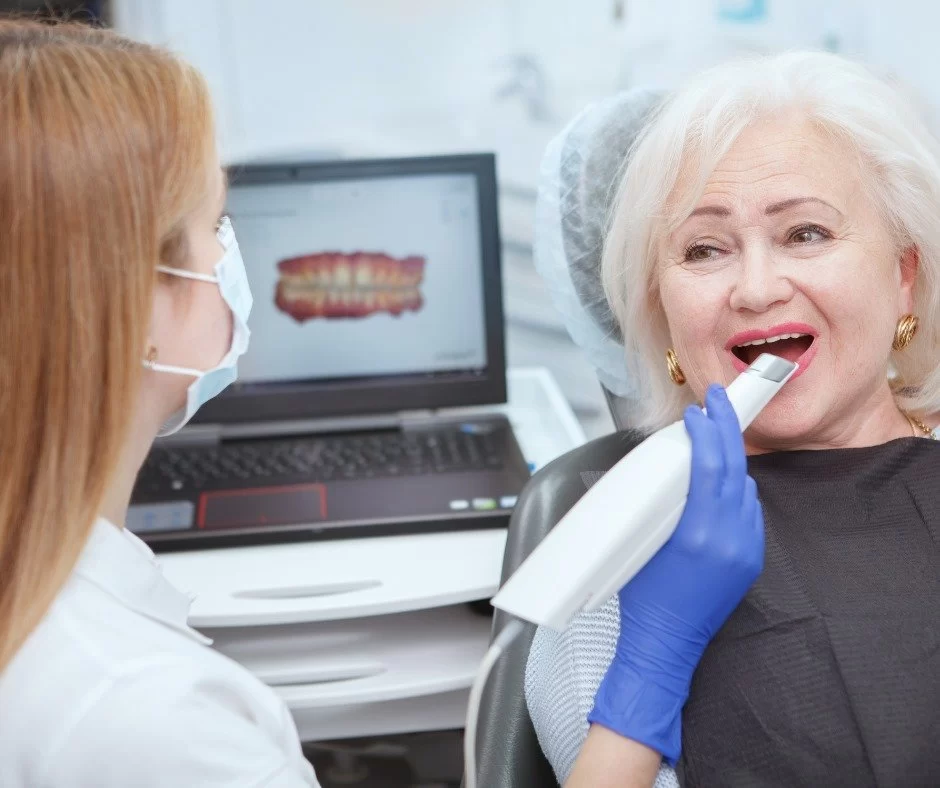
Even with excellent at-home care, seniors should see their dentist regularly. Dental checkups allow for early detection of potential problems such as gum disease, cavities, and oral cancer. The dentist will also professionally clean the teeth, removing plaque buildup that cannot be addressed at home.
Seniors should aim for at least two dental visits per year, although some may require more frequent checkups depending on their individual needs and health status. These visits are a vital part of maintaining long-term oral health.
For more information on dental care for seniors, and to explore a range of dental care products designed for older adults, visit Dentistry Toothtruth today. Prioritize your oral health and enjoy a bright, healthy smile in your later years!






 Sony Thomas, DDS Arcadia Endodontics4.0 (8 review)
 Carp Dental4.0 (843 review)
 Dr Elizabeth Garcia4.0 (10 review)
 St. Paul Oral Surgery - Mendota Heights4.0 (214 review)
 The Attentive Dentist, LLC4.0 (31 review)
 Bellaire Bay Dental Care4.0 (766 review)
 The Importance of Oral Health Education During Pregnancy for a Healthy Pregnancy
 Best Tips for Brushing Your Teeth Properly for Healthy Gums: Essential Techniques for Oral Health
 Why Skipping Dental Checkups Can Lead to Bigger Oral Health Problems
 Advantages of Porcelain Dental Restorations
 How Can Diabetes Cause Tooth and Gum Problems? Preventing and Managing Oral Health Issues
 Healthy Habits for Promoting Good Oral Health and Hygiene: Tips for a Healthy Smile