
Dental Bridges for Severe Tooth Decay: A Reliable Solution for Restoration
- Why Choose Dental Bridges for Severe Tooth Decay
- Understanding Severe Tooth Decay
- How Dental Bridges Work
- Types of Dental Bridges for Decay
- Benefits of Dental Bridges for Severe Decay
- The Dental Bridge Procedure
- Aftercare and Maintenance for Dental Bridges
Why Choose Dental Bridges for Severe Tooth Decay
If you’re struggling with severe tooth decay, you may feel like restoring your smile is an impossible task. However, dental bridges offer a highly effective and reliable solution for restoring your teeth and preventing further oral health issues. Severe tooth decay can cause significant damage to teeth, affecting their structure and functionality. When cavities or infection reach advanced stages, simple fillings or other treatments may not suffice. Dental bridges provide a permanent and natural-looking solution that restores both function and appearance.
Dental bridges can help replace missing teeth, restore chewing and speaking function, and improve the aesthetic appearance of your smile. In fact, they are one of the most recommended options for individuals with significant tooth decay, particularly when multiple teeth are affected. By understanding the various types of dental bridges and how they work, you can make an informed decision about your treatment options.
Understanding Severe Tooth Decay
Severe tooth decay is a stage of dental deterioration where cavities have penetrated deep into the tooth, often affecting the pulp or nerve. At this stage, the damage to the tooth can be extensive, causing pain, sensitivity, and infection. It’s crucial to seek professional treatment as soon as possible, as untreated severe tooth decay can lead to further complications, including tooth loss and systemic infections.
Typical signs of severe tooth decay include:
- Severe tooth pain, especially when chewing or touching the tooth
- Persistent bad breath or a foul taste in the mouth
- Visible holes or dark spots on the teeth
- Tooth sensitivity to hot, cold, or sweet foods and beverages
When the damage is too extensive for a filling or crown, dental bridges are often the best solution to restore the tooth’s functionality and appearance.
How Dental Bridges Work
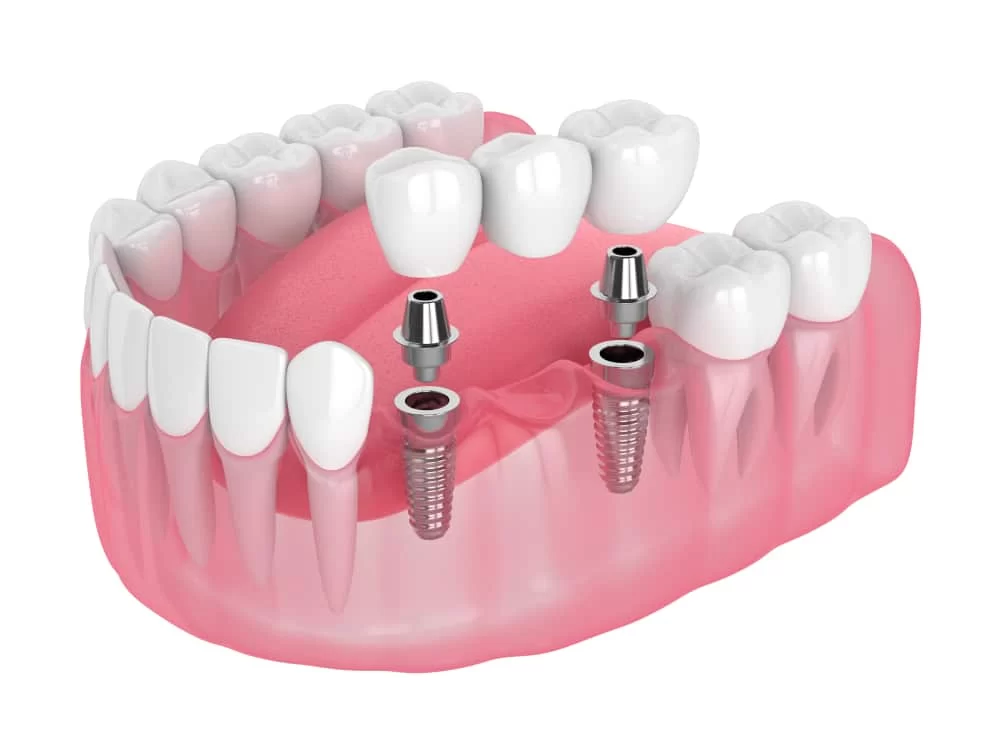
A dental bridge is a prosthetic device used to replace one or more missing teeth. It consists of two main components: the abutments (the teeth adjacent to the gap) and the false tooth (or teeth) that fill the space. The abutments are typically crowned, providing stability and support for the false teeth, which are connected by a metal or porcelain framework. Dental bridges can effectively replace teeth that have been lost due to severe decay or injury.
The procedure for placing a dental bridge usually involves two visits to the dentist. During the first visit, the dentist will prepare the abutment teeth by reshaping them to fit the crowns. Impressions of your teeth are taken, which will be used to create a custom bridge. Once the bridge is ready, it will be fitted and cemented into place during the second visit, restoring both the function and appearance of your smile.
Types of Dental Bridges for Decay
There are several different types of dental bridges available, each designed to meet different needs. The most common types used for severe tooth decay include:
- Traditional Bridges: These are the most common type of dental bridge and are used when you have natural teeth on either side of the gap. They consist of a false tooth held in place by crowns that cover the abutment teeth.
- Maryland Bridges: Also known as resin-bonded bridges, Maryland bridges are typically used to replace front teeth. They involve a false tooth attached to a metal or porcelain framework, which is bonded to the adjacent teeth without the need for crowns.
- Cantilever Bridges: Cantilever bridges are used when there is only one adjacent tooth available to support the bridge. The false tooth is anchored by a single crown on one side.
- Implant-Supported Bridges: In cases where multiple teeth are missing, dental implants can be used to support a bridge. Implant-supported bridges provide enhanced stability and are ideal for individuals with significant tooth decay or bone loss.
Benefits of Dental Bridges for Severe Decay
Dental bridges offer numerous benefits for individuals with severe tooth decay, including:
- Restored Function: Dental bridges restore your ability to chew and speak properly, especially if you’re missing multiple teeth due to decay.
- Improved Appearance: Bridges are designed to match the color and shape of your natural teeth, providing a seamless and aesthetically pleasing smile.
- Enhanced Confidence: With a full set of teeth, you’ll feel more confident in social situations, knowing your smile looks great.
- Prevention of Further Issues: By filling the gap created by missing teeth, dental bridges help prevent surrounding teeth from shifting, which can lead to further dental problems.
The Dental Bridge Procedure
The procedure for getting a dental bridge typically involves the following steps:
- Consultation: During your initial consultation, your dentist will evaluate your oral health and determine if a dental bridge is the right solution for your needs.
- Preparation: The abutment teeth are reshaped, and impressions of your mouth are taken to create a custom bridge.
- Temporary Bridge: A temporary bridge may be placed while the permanent one is being fabricated in the dental lab.
- Fitting: Once your custom bridge is ready, the dentist will fit it to ensure proper alignment and bite.
- Cementing: The bridge is permanently cemented into place, restoring the functionality and appearance of your teeth.
Aftercare and Maintenance for Dental Bridges
After getting a dental bridge, it’s important to follow proper aftercare to ensure its longevity and function. Here are a few tips for maintaining your dental bridge:
- Brush your teeth twice a day and floss carefully around the bridge.
- Visit your dentist regularly for check-ups and cleanings.
- Avoid chewing on hard objects that could damage the bridge.
- If you experience discomfort or notice any issues with the bridge, contact your dentist immediately.
If you're considering dental bridges for severe tooth decay, it's crucial to consult with a qualified dentist to determine the best solution for your oral health needs. For more information and to explore options for dental restoration, visit Dentistry Toothtruth and discover how dental bridges can help restore your smile.






 Newnan Dental Studio4.0 (235 review)
 Jillian Tyler, DDS5.0 (2 review)
 Perfect Smiles of Bensalem4.0 (98 review)
 Northwest Dental Services & Denture Implant Center4.0 (14 review)
 MGK Dental0.0 (0 review)
 Dr. Dental: Dentistry & Braces4.0 (459 review)
 The Importance of Oral Health Education During Pregnancy for a Healthy Pregnancy
 Best Tips for Brushing Your Teeth Properly for Healthy Gums: Essential Techniques for Oral Health
 Why Skipping Dental Checkups Can Lead to Bigger Oral Health Problems
 Advantages of Porcelain Dental Restorations
 How Can Diabetes Cause Tooth and Gum Problems? Preventing and Managing Oral Health Issues
 Healthy Habits for Promoting Good Oral Health and Hygiene: Tips for a Healthy Smile