
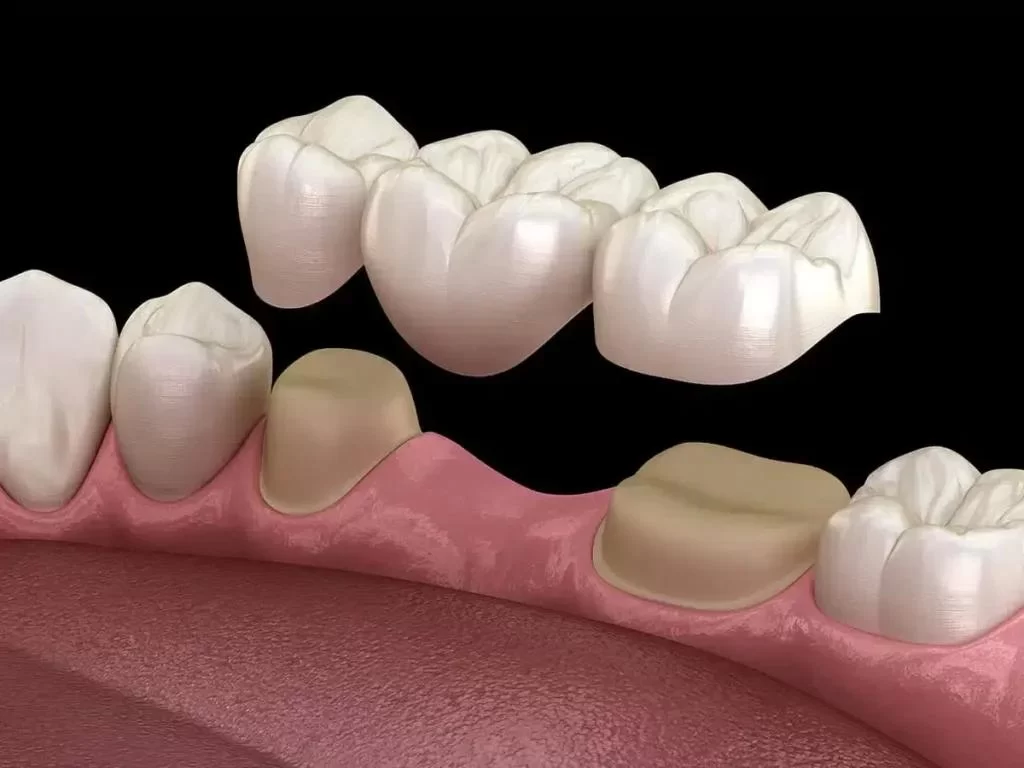
What is a Dental Bridge and When is it Needed? A Complete Guide to Dental Restoration
- 1. What is a Dental Bridge?
- 2. Why You Might Need a Dental Bridge
- 3. Different Types of Dental Bridges
- 4. The Dental Bridge Procedure
- 5. Cost and Care of Dental Bridges
1. What is a Dental Bridge?
A dental bridge is a dental restoration designed to replace one or more missing teeth by using the adjacent teeth for support. The bridge consists of a false tooth (or teeth) held in place by crowns that are attached to the teeth on either side of the gap. Essentially, a dental bridge “bridges” the space left by missing teeth.
Bridges are made from various materials, such as porcelain, gold, or a combination of these, depending on the specific needs and location of the tooth. They can restore both the function and aesthetics of your smile, giving you back the ability to chew, speak, and smile with confidence.
2. Why You Might Need a Dental Bridge
If you are missing one or more teeth, you may want to consider a dental bridge to restore your smile. Here are some of the most common reasons why a dental bridge might be necessary:
- Missing Teeth: A bridge helps fill the gap left by one or more missing teeth. It not only improves your smile but also prevents the surrounding teeth from shifting.
- Improved Function: Missing teeth can make eating and speaking difficult. A bridge restores the functionality of your mouth, allowing you to chew and speak normally again.
- Preserving Facial Structure: Missing teeth can affect your face shape, leading to a sunken appearance. A bridge can help preserve the natural contours of your face.
- Preventing Further Dental Issues: When teeth are missing, the remaining teeth may shift or tilt into the space, causing misalignment and potential future dental problems. A bridge helps prevent this shift.
3. Different Types of Dental Bridges
There are several types of dental bridges available, and the type you choose will depend on the location of your missing teeth and your oral health:
- Traditional Dental Bridge: This is the most common type, which involves attaching the bridge to crowns placed on the adjacent teeth. It is usually made from porcelain or ceramic to match the natural color of your teeth.
- Maryland Dental Bridge: Also known as a resin-bonded bridge, this type uses a metal or porcelain framework to attach the bridge to the back of the adjacent teeth, making it a less invasive option.
- Cantilever Bridge: This type is used when there are healthy teeth on only one side of the missing tooth. The bridge is supported by one anchor tooth instead of two.
- Implant-Supported Bridge: For those with multiple missing teeth, an implant-supported bridge uses dental implants as anchors, providing a more permanent and stable solution.
4. The Dental Bridge Procedure
The process of getting a dental bridge typically takes two or more visits to the dentist. Here is an overview of what to expect:
- Initial Consultation: During the first visit, the dentist will examine your mouth, take X-rays, and determine the best type of bridge for your needs. They will also prepare the surrounding teeth by reshaping them to accommodate the crowns.
- Impressions: After reshaping the teeth, the dentist will take impressions of your teeth to create a custom bridge. You will likely be fitted with a temporary bridge while your permanent one is being made.
- Fitting the Permanent Bridge: Once your permanent bridge is ready, you will return to the dentist for the final fitting. The bridge will be adjusted for comfort, and once everything is in place, it will be permanently cemented into position.
The entire process usually takes about two weeks, but it can vary depending on individual cases. Dental bridges are designed to be durable and can last for many years with proper care.
5. Cost and Care of Dental Bridges
The cost of a dental bridge varies depending on the type of bridge, the materials used, and the location of the treatment. Traditional bridges are generally more affordable, while implant-supported bridges tend to be more expensive due to the additional procedures involved. On average, dental bridges can range from $500 to $3,000 per tooth.
After getting a dental bridge, it’s important to take good care of it. Regular brushing, flossing, and visits to your dentist are essential for maintaining the health of the bridge and surrounding teeth. Avoiding hard foods and using a night guard if you grind your teeth can also help prolong the life of your bridge.
If you’re considering a dental bridge and want to learn more about the options available to you, visit Dentistry Toothtruth for expert advice and solutions tailored to your needs.





 Smile Center4.0 (297 review)
 Vikas Mittle, DDS0.0 (0 review)
 410 Dental Associates5.0 (161 review)
 Burton J Stein DMD4.0 (16 review)
 Lindenhurst Village Dental4.0 (46 review)
 Smera Family Dentistry - Dr. Sunita Menon DMD4.0 (100 review)
 The Importance of Oral Health Education During Pregnancy for a Healthy Pregnancy
 Best Tips for Brushing Your Teeth Properly for Healthy Gums: Essential Techniques for Oral Health
 Why Skipping Dental Checkups Can Lead to Bigger Oral Health Problems
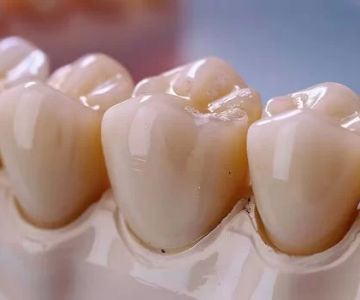
 Advantages of Porcelain Dental Restorations
 How Can Diabetes Cause Tooth and Gum Problems? Preventing and Managing Oral Health Issues
 Healthy Habits for Promoting Good Oral Health and Hygiene: Tips for a Healthy Smile