
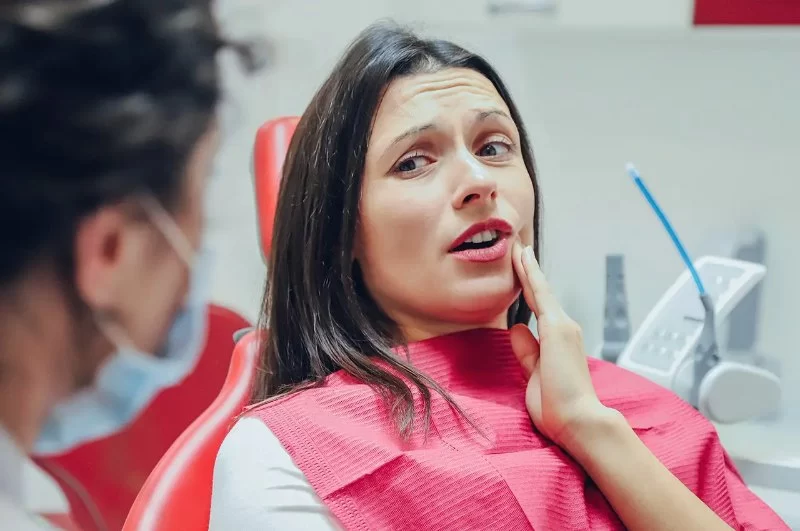
Understanding the Definition of Oral Disease
Oral disease refers to any health condition that affects the mouth, teeth, gums, tongue, lips, or the inner lining of the cheeks. In the broadest sense, oral disease can range from simple tooth decay to more serious infections like periodontitis or even oral cancers. These conditions are not only painful and unsightly but can also be linked to more severe health issues, including heart disease, diabetes, and stroke. In the United States, oral disease remains one of the most common chronic health problems, particularly among underserved populations.
1. The Medical Definition of Oral Disease
1.1 Classification and Scope
From a clinical perspective, oral disease encompasses a wide array of conditions categorized into dental caries (cavities), periodontal diseases (gum infections), oral infections, congenital anomalies like cleft palate, and oral cancers. The American Dental Association and the CDC both classify oral disease as a public health issue, especially due to its link with systemic diseases.
1.2 Connection to Systemic Health
Oral disease isn't just about your mouth. It can have ripple effects throughout the entire body. For instance, untreated gum disease can increase the risk of cardiovascular disease and even impact blood sugar control in people with diabetes. A compelling case was published in the Journal of Clinical Periodontology, where researchers noted elevated inflammatory markers in patients with both advanced periodontitis and heart disease. This connection showcases how oral health and general health are deeply intertwined.
2. Common Types of Oral Disease
2.1 Dental Caries (Tooth Decay)
Dental caries, or cavities, are caused by bacterial buildup that demineralizes tooth enamel. If left untreated, it can progress to affect the deeper layers of the tooth, causing pain, infection, and even tooth loss. According to the CDC, more than 90% of adults in the U.S. have had a cavity.
2.2 Periodontal Disease (Gum Disease)
This is a chronic infection of the tissues that support the teeth. Early stages (gingivitis) are reversible, but advanced forms (periodontitis) can result in irreversible damage, including tooth loss. Signs include bleeding gums, receding gum lines, and bad breath.
2.3 Oral Infections and Lesions
These include viral infections like herpes simplex (cold sores), fungal infections such as oral thrush, and bacterial infections that can affect the cheeks, tongue, or throat. While some are relatively harmless, others may signal underlying immune issues or poor hygiene practices.
2.4 Oral Cancer
Oral cancer often goes unnoticed until it's advanced. Risk factors include smoking, heavy alcohol consumption, and HPV infections. Early symptoms include sores that don’t heal, white patches inside the mouth, or difficulty swallowing. Screening and early diagnosis are key to improving survival rates.
3. Risk Factors and Causes of Oral Disease
3.1 Lifestyle and Habits
Dietary choices—especially sugar consumption—are a leading contributor to oral disease. Smoking and excessive alcohol intake also significantly increase the risk. Poor oral hygiene habits, such as irregular brushing and flossing, compound these problems by allowing plaque and tartar to build up.
3.2 Socioeconomic and Educational Factors
Oral health disparities are prominent across the U.S. Lower-income communities often have limited access to dental care, which leads to a higher prevalence of untreated conditions. In a 2023 nationwide survey, nearly 28% of adults in low-income households reported tooth pain that had gone untreated for over a year.
4. Prevention and Early Intervention
4.1 Daily Oral Hygiene Routine
The foundation of preventing oral disease lies in simple, consistent hygiene: brushing twice daily with fluoride toothpaste, flossing, and rinsing with mouthwash. Regular dental checkups—ideally every six months—allow for early detection and treatment of potential issues.
4.2 Public Health Education and Vaccination
Raising awareness about the importance of oral hygiene through school programs and community outreach has proven effective. Additionally, the HPV vaccine has become an important preventive tool against certain types of oral cancer, especially among teenagers and young adults.
5. Real-Life Impact: A Family’s Experience with Oral Disease
5.1 A Case of Avoidable Tragedy
In 2021, a 12-year-old boy in Maryland tragically died due to a tooth infection that spread to his brain. His family lacked dental insurance and deferred treatment until it was too late. This heartbreaking story became a wake-up call across the country, highlighting the importance of timely access to dental care.
5.2 Positive Outcomes with Proper Care
On a brighter note, a woman in Ohio reversed her severe gingivitis within a year through diet improvement, smoking cessation, and regular visits to her dental hygienist. She now volunteers in local schools to educate children about oral health, showing how proactive care can dramatically change lives.
6. When to Seek Professional Help
6.1 Warning Signs That Shouldn’t Be Ignored
Persistent tooth pain, bleeding gums, ulcers that don't heal, or any swelling in the jaw area warrant immediate dental consultation. Many people delay care due to cost or fear, but catching these symptoms early can mean the difference between a filling and major oral surgery.
6.2 How Dentistry Toothtruth Can Help
If you're unsure where to begin or need access to affordable, reputable dental care, Dentistry Toothtruth provides customized recommendations and educational resources to match your location and health needs. Don’t wait until oral disease affects your quality of life—take the first step today.

 Southside Orthodontics - Your Colonial Heights and Chesterfield Orthodontist4.0 (274 review)
 Niloo Tavakol Inc4.0 (7 review)
 Dental365 - Bethpage4.0 (456 review)
 Robert B Larson, LPN, JD - Dental Attorney4.0 (5 review)
 Desert Valley Pediatric Dentistry - West Olive4.0 (705 review)
 Cary Dental Rejuvenation4.0 (473 review)
 The Importance of Oral Health Education During Pregnancy for a Healthy Pregnancy
 Best Tips for Brushing Your Teeth Properly for Healthy Gums: Essential Techniques for Oral Health
 Why Skipping Dental Checkups Can Lead to Bigger Oral Health Problems
 Advantages of Porcelain Dental Restorations
 How Can Diabetes Cause Tooth and Gum Problems? Preventing and Managing Oral Health Issues
 Healthy Habits for Promoting Good Oral Health and Hygiene: Tips for a Healthy Smile