
Cost of Dental Implants with Insurance: What You Need to Know for Affordable Treatment
- 1. Understanding Dental Implant Costs
- 2. How Insurance Affects Dental Implant Prices
- 3. What Does Dental Insurance Cover for Implants?
- 4. Strategies for Affordable Dental Implants
- 5. Other Financing Options for Dental Implants
- 6. Why You Should Consider Dental Implants
1. Understanding Dental Implant Costs
Dental implants are a long-term solution for missing teeth, offering durability, functionality, and a natural appearance. However, the cost of dental implants can be a significant factor for many patients. On average, dental implants can cost anywhere between $1,500 and $6,000 per implant. This price range depends on several factors, including the location of the procedure, the type of implant, and any additional treatments required, such as bone grafts or sinus lifts.
The total cost of a dental implant procedure often includes several stages: the initial consultation, the implant post placement, the abutment, and the crown. Each of these stages can vary in price depending on your specific needs and the dental clinic you choose.
2. How Insurance Affects Dental Implant Prices
Dental insurance typically does not cover the full cost of dental implants, as they are often considered a cosmetic procedure. However, some insurance plans may provide partial coverage or offer coverage for related procedures, such as bone grafts, abutments, or crowns, which are necessary parts of the implant process.
For patients with dental insurance, the amount covered varies based on their plan. Some insurance companies may cover a portion of the procedure, but it's essential to understand the terms and conditions of your specific policy. It’s also important to note that many dental plans have a cap on annual benefits, so the total cost of the implant procedure may exceed your plan’s coverage limit.
3. What Does Dental Insurance Cover for Implants?
While dental insurance often excludes coverage for the dental implant itself, there are several aspects of the implant process that may be covered:
3.1 Consultation and Diagnosis
Insurance may cover the cost of your initial consultation and diagnostic procedures, such as X-rays or CT scans. These are essential to determine the health of your jawbone and whether you are a good candidate for implants.
3.2 Bone Grafts and Sinus Lifts
In some cases, patients may need bone grafts or sinus lifts to ensure that the implant has enough bone structure to anchor securely. Insurance may cover part of the cost for these procedures if deemed medically necessary.
3.3 Crowns and Abutments
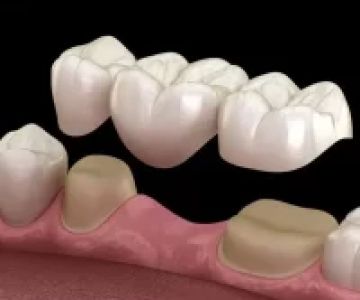
The cost of the final crown (the visible part of the implant) and the abutment (the connector between the implant and the crown) may be covered, but this varies depending on your plan and the specific treatment plan your dentist recommends.
4. Strategies for Affordable Dental Implants
If your dental insurance does not fully cover the cost of implants, there are still strategies you can employ to make the treatment more affordable:
4.1 Shop Around for Competitive Pricing
Not all dental clinics offer the same pricing for implant procedures. It’s essential to compare prices at different clinics to find the best deal for the treatment you need. Be sure to consider the experience of the dentist and the reputation of the clinic, as the lowest price may not always offer the best quality care.
4.2 Look for Special Financing Offers
Many dental practices offer financing options, such as interest-free payment plans, to help spread out the cost of your dental implant procedure over time. These plans can make the treatment more affordable, especially if you don’t have enough insurance coverage.
4.3 Consider Dental Schools
Dental schools often offer discounted implant procedures performed by dental students under the supervision of experienced faculty members. While this option requires some flexibility, it can be a more affordable way to get high-quality care.
5. Other Financing Options for Dental Implants
In addition to insurance and clinic financing, several other financing options are available to help patients pay for dental implants:
5.1 Personal Loans
Some patients opt for personal loans to finance their dental implants. These loans can provide the funds you need upfront, and you can pay them back over time with manageable monthly payments.
5.2 Health Savings Accounts (HSAs) and Flexible Spending Accounts (FSAs)
If you have an HSA or FSA, you can use those funds to pay for dental implants, as these accounts are designed to cover medical expenses, including dental procedures. These accounts often come with tax benefits, making them an excellent option for financing dental implants.
5.3 Credit Cards
If you have a credit card with a low-interest rate or a promotional 0% APR period, you may want to use it to cover the cost of your dental implants. This option can be a good way to spread out the payments over time while taking advantage of promotional offers.
6. Why You Should Consider Dental Implants
Dental implants may initially seem expensive, but they are often the best long-term solution for replacing missing teeth. Unlike dentures or bridges, implants are permanent and provide a more natural appearance and function. They also help preserve the bone structure in your jaw, which can prevent the bone loss that often occurs with missing teeth.
Considering the benefits, dental implants are an investment in your oral health and overall well-being. Even if the cost is a concern, it’s essential to explore the available options for financing and insurance coverage to make this life-changing treatment more accessible.
For more information about dental implants and how you can finance your procedure, visit Dentistry Toothtruth to explore options and schedule a consultation with our dental experts.



 Brick Dental Studio4.0 (101 review)
 Dr. Jeff A. Novak, DDS5.0 (4 review)
 Salem Orthodontics4.0 (115 review)
 Stephen M Weisner DMD5.0 (7 review)
 Dr. Scott K. Smith, DDS4.0 (83 review)
 Alliance Orthodontics4.0 (23 review)
 The Importance of Oral Health Education During Pregnancy for a Healthy Pregnancy
 Best Tips for Brushing Your Teeth Properly for Healthy Gums: Essential Techniques for Oral Health
 Why Skipping Dental Checkups Can Lead to Bigger Oral Health Problems
 Advantages of Porcelain Dental Restorations
 How Can Diabetes Cause Tooth and Gum Problems? Preventing and Managing Oral Health Issues
 Healthy Habits for Promoting Good Oral Health and Hygiene: Tips for a Healthy Smile