

Comprehensive List of All Oral Diseases and Their Impact
Oral diseases are common, and they can affect people of all ages. They range from minor issues like bad breath to serious conditions that can cause long-term health problems. In this article, we will provide a comprehensive list of all oral diseases, explain their causes, symptoms, and treatment options, and discuss why oral health is critical for overall well-being. Understanding these diseases can help individuals take proactive steps to maintain their oral health and avoid severe complications.
1. Cavities (Dental Caries)
Cavities, also known as dental caries, are one of the most common oral diseases. They occur when bacteria in the mouth produce acids that wear down tooth enamel. If left untreated, cavities can progress, causing pain, infection, and even tooth loss. Symptoms include tooth sensitivity, visible holes in the teeth, and pain when eating or drinking hot, cold, or sugary foods.
Treatment for cavities typically involves removing the decayed part of the tooth and filling the cavity. Good oral hygiene, including regular brushing and flossing, can help prevent cavities from forming.
2. Gum Disease (Periodontal Disease)
Gum disease, or periodontal disease, is an infection of the gums that can affect the tissues supporting the teeth. It is primarily caused by poor oral hygiene, which allows plaque to build up on teeth and harden into tartar. There are two main stages of gum disease:
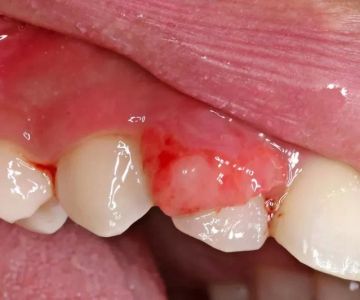
- Gingivitis: The early stage of gum disease, which causes red, swollen gums that may bleed when brushing or flossing.
- Periodontitis: A more severe stage where the gums begin to recede, and the bone supporting the teeth can be destroyed. This can lead to tooth mobility and even tooth loss.
Treatment involves professional cleaning by a dentist, and in some cases, surgery may be required. Regular brushing, flossing, and visits to the dentist are crucial in preventing gum disease.
3. Oral Cancer
Oral cancer is a severe condition that includes cancer of the lips, tongue, cheeks, mouth, and throat. The exact cause is often unknown, but risk factors include tobacco use, excessive alcohol consumption, and HPV (Human Papillomavirus) infection. Symptoms may include persistent sores, difficulty swallowing, and unusual lumps or swelling in the mouth.
Early detection is key to successful treatment. If oral cancer is suspected, a biopsy is performed, and treatment may involve surgery, radiation, and chemotherapy. Regular dental checkups can help in early detection of signs of oral cancer.
4. Tooth Sensitivity
Tooth sensitivity is a condition where a person experiences sharp pain or discomfort when consuming hot, cold, or sweet foods and drinks. It often occurs when the protective enamel on the teeth wears away, exposing the underlying dentin, or when gums recede, exposing tooth roots. Causes of tooth sensitivity include brushing too hard, gum disease, and cavities.
To treat tooth sensitivity, a dentist may recommend using a desensitizing toothpaste or a fluoride treatment to strengthen enamel. In severe cases, treatments such as root canals may be necessary.
5. Bad Breath (Halitosis)
Bad breath, or halitosis, is a common condition that can be caused by poor oral hygiene, gum disease, or underlying health problems like dry mouth, infections, or even digestive issues. It is often a sign of bacterial buildup in the mouth or issues with the teeth and gums.
To combat bad breath, it is important to maintain good oral hygiene, including regular brushing and flossing. Drinking plenty of water, using mouthwash, and chewing sugar-free gum can also help freshen breath.
6. Tooth Erosion
Tooth erosion occurs when the enamel on the teeth is worn away by acids from food, drink, or acid reflux. Common causes of tooth erosion include consuming acidic foods and beverages, such as citrus fruits, soda, and wine. Symptoms include tooth sensitivity, discoloration, and cracks in the teeth.
Preventing tooth erosion involves reducing the intake of acidic foods, drinking through a straw to minimize contact with teeth, and using fluoride toothpaste to protect the enamel.
7. Dry Mouth (Xerostomia)
Dry mouth, or xerostomia, occurs when there is a reduction in the production of saliva, leading to a dry feeling in the mouth. It can be caused by medications, dehydration, or underlying conditions like diabetes. Saliva plays a vital role in neutralizing acids, preventing tooth decay, and maintaining oral health.
Treatment for dry mouth may include using saliva substitutes, staying hydrated, and using special mouthwashes designed for dry mouth. Regular dental visits are essential for managing this condition.
8. Oral Thrush (Candidiasis)
Oral thrush is a fungal infection caused by an overgrowth of the Candida fungus in the mouth. It appears as white patches on the tongue, cheeks, and roof of the mouth and can cause discomfort, especially when swallowing. People with weakened immune systems, such as those with HIV/AIDS or diabetes, are more susceptible to oral thrush.
Treatment for oral thrush typically involves antifungal medications, either in the form of pills, lozenges, or mouth rinses. Maintaining good oral hygiene and avoiding sugary foods can help prevent the recurrence of oral thrush.
9. Temporomandibular Joint Disorders (TMJ)
TMJ disorders refer to problems with the temporomandibular joint, which connects the jaw to the skull. These disorders can cause pain, clicking sounds, and difficulty moving the jaw. Stress, teeth grinding, or misalignment of the teeth can contribute to TMJ issues.
Treatment for TMJ disorders may involve pain management, physical therapy, or the use of a nightguard to prevent teeth grinding. In severe cases, surgery may be required to address the issue.
10. Canker Sores (Aphthous Stomatitis)
Canker sores are painful, shallow ulcers that develop inside the mouth. The exact cause is unknown, but they are often triggered by stress, hormonal changes, or injury to the mouth. Canker sores are usually small, round, and white or yellow with a red border.
While canker sores typically heal on their own within one to two weeks, treatments such as over-the-counter mouthwashes, gels, or pain relievers can help alleviate discomfort.
Maintaining good oral hygiene and seeking regular dental checkups can help in the prevention and early detection of oral diseases. If you are concerned about your oral health, it's crucial to consult a dentist for proper diagnosis and treatment.
For more information about oral diseases and personalized advice, visit Dentistry Toothtruth, where you can get expert recommendations and services tailored to your oral health needs.



 Shawn O'Berry DDS5.0 (26 review)
 Kid's Dental4.0 (280 review)
 Eastern Dental3.0 (336 review)
 Kevin B. Sands, DDS5.0 (168 review)
 Surprise Dental & Denture4.0 (777 review)
 Graham Family Dental Care4.0 (93 review)
 The Importance of Oral Health Education During Pregnancy for a Healthy Pregnancy
 Best Tips for Brushing Your Teeth Properly for Healthy Gums: Essential Techniques for Oral Health
 Why Skipping Dental Checkups Can Lead to Bigger Oral Health Problems
 Advantages of Porcelain Dental Restorations
 How Can Diabetes Cause Tooth and Gum Problems? Preventing and Managing Oral Health Issues
 Healthy Habits for Promoting Good Oral Health and Hygiene: Tips for a Healthy Smile