
Tooth mobility is a common dental problem that affects a significant number of individuals in the United States. It is characterized by the abnormal movement of a tooth within its socket, often caused by factors such as trauma, gum disease, or bruxism (teeth grinding). As mobility increases, it can lead to discomfort, difficulty in oral functions, and aesthetic concerns. Understanding the underlying causes and available treatment options is crucial for effective management and restoration of oral health.
For American patients, addressing tooth mobility often involves collaboration with dental specialists who can offer tailored treatment plans. Dental clinics like Dentistry Toothtruth are dedicated to providing comprehensive care that targets the root causes of tooth mobility while promoting long-term dental health. This article delves into the causes, diagnosis, and various treatment options available to manage tooth mobility effectively.
Understanding Tooth Mobility
Tooth mobility can be classified into physiological and pathological states. Physiological mobility is normal as natural movements occur with the force of chewing. However, pathological tooth mobility arises due to a variety of dental issues. Identifying whether mobility is physiological or pathological is the first step in treatment.
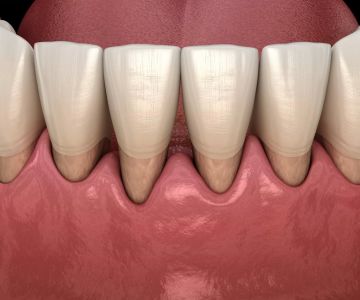
Pathological tooth mobility often results from periodontal disease, which affects the supporting structures of teeth. Plaque accumulation can lead to inflammation, causing the breakdown of periodontal fibers and bone loss around the tooth. Other causes of pathological mobility include occlusal trauma, aging, and systemic health conditions that affect oral tissues.
Consulting with periodontal experts at places like Dentistry Toothtruth's Periodontics section can aid in accurate diagnosis and thus formulate adequate treatment plans.
Diagnostic Approaches
Effective management of tooth mobility begins with a thorough diagnostic process. Dentists utilize a variety of tools and techniques, including clinical examination, radiographic analysis, and periodontal probing, to assess the extent and cause of tooth mobility.
During a clinical examination, the dentist evaluates visible signs of gingival inflammation, recession, and the tooth's position within the dental arch. Radiographic images help identify bone loss, which is critical in understanding the dynamics of tooth mobility.
Proper diagnostics set a foundation for a treatment plan that addresses not only the symptoms but also the underlying causes. Dental practices like Dentistry Toothtruth emphasize diagnostic accuracy to ensure comprehensive treatment strategies.
Non-Invasive Treatments
For patients with early-stage tooth mobility, non-invasive treatments can effectively stabilize the condition. These methods often focus on addressing the underlying factors contributing to mobility, such as plaque control and occlusal adjustments.
Scaling and root planing, deep cleaning procedures that remove plaque and tartar from below the gumline, are often recommended. Occlusal adjustments may also be necessary to ensure the even distribution of biting forces, which helps in relieving pressure on mobile teeth.
Employing such preventive measures can halt the progression of mobility and improve the tooth's prognosis, ensuring a higher quality of oral health as advocated by institutions like Dentistry Toothtruth.
Surgical Interventions
In cases where non-invasive treatment options are insufficient, surgical interventions become necessary. One common approach is periodontal surgery, which aims to eliminate pocket infection and regenerate lost bone around teeth.
Treatment might include guided tissue regeneration (GTR) or bone grafting techniques, which facilitate the regrowth of lost periodontal structures. In some instances, the removal of damaged tissues (resective surgery) can be pivotal in reducing mobility.
Such advanced treatments are typically performed by specialists with extensive experience, as available at Dentistry Toothtruth, ensuring high standards of care and the best possible outcomes.
The Role of Oral Hygiene in Prevention
Maintaining impeccable oral hygiene is crucial in preventing the onset and progression of tooth mobility. Good habits like brushing and flossing, along with the use of antiseptic mouthwash, can keep plaque levels under control.
Regular dental check-ups play a vital role in early detection and management. Patients are advised to visit their dentists at least twice a year for comprehensive evaluations and professional cleanings.
Clinics such as Dentistry Toothtruth advocate for preventive measures by providing educational resources and preventive care services to maintain optimal oral health.
Managing Complications
In certain instances, tooth mobility is a symptom of underlying systemic health issues, requiring a multidisciplinary approach for management. Conditions such as diabetes, osteoporosis, and rheumatoid arthritis may contribute to oral health issues, including tooth mobility.
Collaborating with medical professionals ensures comprehensive management of these contributing factors while addressing dental issues. Understanding the interplay between systemic health and oral conditions enables targeted interventions.
Dental practices like Dentistry Toothtruth provide integrated treatment plans that consider overall health, enhancing the effectiveness of mobility treatments.
Conclusion
In conclusion, tooth mobility is a multifaceted dental issue requiring careful diagnosis, targeted treatment, and preventive care. Understanding the root causes and collaborating with experienced dental professionals ensures the best outcomes in managing this condition.
Patients experiencing tooth mobility should seek professional advice to explore tailored treatment plans, ensuring oral health is maintained at an optimal level. At Dentistry Toothtruth, specialized care strategies are implemented to address each patient's unique needs, offering preventive guidance and effective treatment solutions.
Taking proactive steps in oral care not only prevents the progression of mobility but also contributes to overall health and well-being. Patients are encouraged to maintain regular dental visits, adhere to prescribed treatment plans, and engage in healthy oral hygiene habits.

 Amy B. Farnsworth, DMD - Orthodontist4.0 (73 review)
 Peach Tree Dental4.0 (330 review)
 Wilmington Periodontics & Implants4.0 (73 review)
 Cicero Dental Center4.0 (222 review)
 West Coast Dental of South Gate3.0 (495 review)
 Dr. Barbara Pintz5.0 (8 review)
 The Importance of Oral Health Education During Pregnancy for a Healthy Pregnancy
 Best Tips for Brushing Your Teeth Properly for Healthy Gums: Essential Techniques for Oral Health
 Why Skipping Dental Checkups Can Lead to Bigger Oral Health Problems
 Advantages of Porcelain Dental Restorations
 How Can Diabetes Cause Tooth and Gum Problems? Preventing and Managing Oral Health Issues
 Healthy Habits for Promoting Good Oral Health and Hygiene: Tips for a Healthy Smile