
Comprehensive Guide to the Types of Braces for Teeth Alignment and Orthodontic Treatment
- 1. Traditional Metal Braces
- 2. Ceramic Braces
- 3. Clear Aligners
- 4. Lingual Braces
- 5. Self-Ligating Braces
1. Traditional Metal Braces
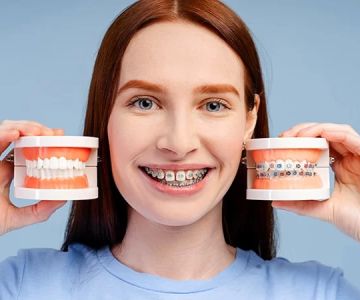
Traditional metal braces are the most commonly used orthodontic treatment. They consist of metal brackets attached to the teeth and connected with a wire. This method is known for its effectiveness in treating a wide range of dental issues, including severe misalignment, crowding, and gaps between teeth. While they are highly effective, many people find metal braces to be visible, which can be a concern for those seeking a more discreet option.
2. Ceramic Braces
Ceramic braces are similar to traditional metal braces but use clear or tooth-colored brackets. This makes them less noticeable than metal braces, offering a more aesthetic alternative. Ceramic braces work in the same way as metal braces, applying consistent pressure to move teeth into the desired position. However, they may be more prone to staining and are generally more expensive than metal braces.
3. Clear Aligners
Clear aligners, such as Invisalign, have gained popularity as a more discreet alternative to traditional braces. Made from clear plastic, these aligners are custom-made to fit the patient’s teeth. They gradually shift the teeth into place without the need for metal brackets or wires. Clear aligners are removable, which makes eating and brushing easier, but they are most effective for individuals with mild to moderate dental issues.
4. Lingual Braces
Lingual braces are a less common option, but they provide a highly discreet treatment. These braces are similar to traditional metal braces, except they are placed on the inside of the teeth, rather than the outside. Lingual braces are custom-made for each patient, making them more expensive than traditional braces. While they offer a great aesthetic advantage, they may be uncomfortable at first and can take longer to get used to.
5. Self-Ligating Braces
Self-ligating braces are similar to traditional metal braces but feature a special clip or bracket design that holds the wire in place. This reduces the need for elastic bands, which makes these braces less visible and easier to maintain. Additionally, self-ligating braces may result in shorter treatment times and fewer visits to the orthodontist. However, they are generally more expensive than traditional metal braces.
Choosing the right type of braces depends on several factors, including the severity of your orthodontic issues, your budget, and your personal preferences. It is always best to consult with an orthodontist to determine the most suitable option for your teeth alignment needs.
For more information on orthodontic treatments or to schedule a consultation, visit Dentistry Toothtruth.

 Downer Place Dental & Orthodontics4.0 (634 review)
 Brace Busters3.0 (2 review)
 Piedmont Periodontics4.0 (34 review)
 Oregon Endodontic Group5.0 (68 review)
 Oakwood Dental Arts4.0 (470 review)
 Longwood Dental Group4.0 (544 review)
 The Importance of Oral Health Education During Pregnancy for a Healthy Pregnancy
 Best Tips for Brushing Your Teeth Properly for Healthy Gums: Essential Techniques for Oral Health
 Why Skipping Dental Checkups Can Lead to Bigger Oral Health Problems
 Advantages of Porcelain Dental Restorations
 How Can Diabetes Cause Tooth and Gum Problems? Preventing and Managing Oral Health Issues
 Healthy Habits for Promoting Good Oral Health and Hygiene: Tips for a Healthy Smile