
Dental Crown Restoration: A Comprehensive Guide
Dental health is an essential aspect of overall well-being, and restorative dentistry plays a crucial role in maintaining it. One of the most common procedures within restorative dentistry is dental crown restoration. This procedure not only helps in retaining the functionality of a damaged tooth but also enhances its aesthetic appeal.
Restorative dentistry has vast applications, among which dental crown restoration stands out due to its effectiveness in repairing teeth that have been weakened by decay or injury. For American patients, understanding this procedure is vital as it aligns with the high standards of dental care provided across the United States. Whether you're new to this treatment or considering it as a solution for dental issues, a detailed comprehension can help in making informed decisions.
In the following sections, we'll delve into the intricacies of dental crown restoration, exploring its benefits, process, challenges, and aftercare. You'll learn about different types of crowns, who needs them, and what potential outcomes you can expect from this restorative dental procedure. By the end of this article, you'll have a well-rounded understanding of dental crown restorations and the confidence to proceed with this restorative dentistry solution.
What is a Dental Crown and Who Needs It?
A dental crown is essentially a "cap" shaped like a tooth that is placed over an existing tooth to restore its shape, size, and strength while improving its appearance. Dental crowns are essential for individuals whose teeth have been significantly weakened by decay, fractures, or large fillings. The crowns are custom-made to fit over the rest of the tooth and cemented into place, ensuring a perfect fit and natural look.
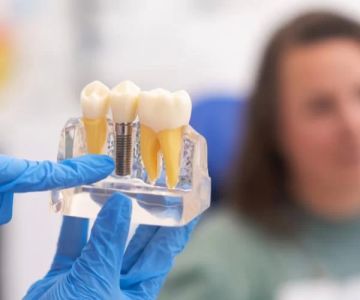
Typically, crowns are recommended for various reasons, including protecting a weak tooth from breaking, holding together parts of a cracked tooth, restoring an already broken tooth, or covering a dental implant. Each requirement underscores the versatility and importance of crowns in restorative dentistry.
The Dental Crown Restoration Process
The process of dental crown restoration is detailed and involves several steps to ensure the highest level of precision and patient comfort. Initially, the dentist will conduct a thorough examination of the tooth needing a crown and take X-rays to check the roots and surrounding bone's condition. If extensive decay or risk of injury to the tooth's pulp is observed, a root canal may be performed first.
Once the preliminary assessment is complete, the next step involves reshaping the tooth. The tooth receiving the crown is filed down across the top and sides. This step creates space for the crown placement. However, if a large part of the tooth is missing, the dentist may use a filling material to build up enough structure to support the crown.
Types of Dental Crowns
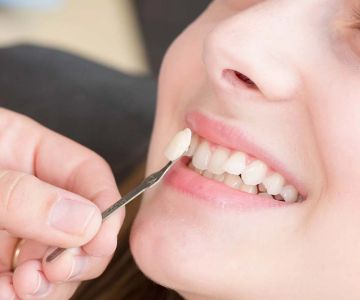
Patients can choose from a variety of dental crowns, each made from different materials, tailored to specific needs and aesthetic desires. The most common types include stainless steel, metals (such as gold or platinum), porcelain-fused-to-metal, all-resin, all-ceramic, or all-porcelain.
For example, porcelain crowns are often chosen for their natural appearance and are commonly used for front teeth. Metal crowns, although not as aesthetically pleasing, are exceptionally durable and are preferred for molars. Each type has its pros and cons, which should be discussed with a dentist to determine the best option.
Benefits and Potential Challenges of Dental Crowns
One of the greatest benefits of dental crowns is their ability to restore function and appearance to damaged teeth effectively. They are versatile and can last between five to fifteen years with proper care, depending on the material used.
However, challenges can occasionally arise, such as increased sensitivity, loose crowns, or infrequent cases where the crown falls off. Proper dental hygiene, regular check-ups, and avoiding certain habits (like nail-biting or teeth grinding) can mitigate many potential issues.
Aftercare: Ensuring Your Dental Crown Lasts
Proper care for dental crowns is vital to extend their lifespan and maintain oral health. It involves a combination of routine care, such as brushing and flossing, and lifestyle adjustments, including diet considerations.
Doctors often advise avoiding sticky or hard foods to prevent dislodging the crown. Additionally, regular dental visits are crucial for timely assessments and professional cleanings, ensuring that any issues are addressed promptly.
Conclusion: Embracing Dental Crown Restoration
Dental crown restoration stands as a pivotal procedure in restorative dentistry, offering a long-lasting solution to damaged teeth with functionality and aesthetic enhancement.
Dentistry ToothtruthBy understanding the types of crowns, the restoration process, and proper aftercare, patients can make informed decisions about their dental health. It's crucial to work closely with trusted dental professionals who can provide bespoke advice suited to individual needs.
As you consider dental crown restoration, prioritize consultation and communication with your dentist, paving the path to optimal dental health and confidence in your smile.

 First Choice Dental- Verona4.0 (367 review)
 Aspen Dental - Raynham, MA4.0 (311 review)
 Flanders Pediatric Dentistry4.0 (210 review)
 Chesterbrook Dental Associates5.0 (153 review)
 Plaza Dentistry5.0 (612 review)
 Davis Family Dentistry5.0 (2 review)
 The Importance of Oral Health Education During Pregnancy for a Healthy Pregnancy
 Best Tips for Brushing Your Teeth Properly for Healthy Gums: Essential Techniques for Oral Health
 Why Skipping Dental Checkups Can Lead to Bigger Oral Health Problems
 Advantages of Porcelain Dental Restorations
 How Can Diabetes Cause Tooth and Gum Problems? Preventing and Managing Oral Health Issues
 Healthy Habits for Promoting Good Oral Health and Hygiene: Tips for a Healthy Smile