
Deep Cleaning for Periodontal Disease: Understanding the Essentials
When it comes to oral health, the focus often lies on preventing cavities and maintaining bright white teeth. However, the health of your gums is just as crucial. Periodontal disease, commonly known as gum disease, affects nearly half of the adult population in the United States. This condition not only endangers your oral health but can also be linked to other systemic issues such as heart disease and diabetes. In this article, we delve into the significance of deep cleaning, a primary treatment for periodontal disease, to help you maintain optimal gum health.
Understanding Periodontal Disease
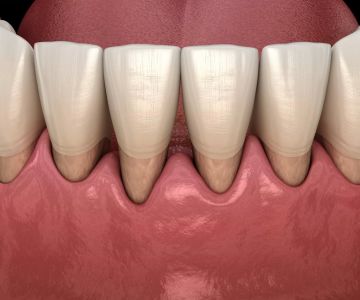
Periodontal disease is a chronic inflammatory condition affecting the gums and the structures supporting the teeth. Dentistry Toothtruth reports that it begins with the formation of plaque, a sticky film of bacteria that constantly forms on your teeth. If not removed, it hardens into tartar, leading to inflammation and infection of the gums. Symptoms include swollen and bleeding gums, persistent bad breath, and even tooth loss in advanced stages.
The Centers for Disease Control and Prevention (CDC) indicates that periodontal disease is prevalent, affecting millions of Americans each year. Despite awareness, many individuals fail to recognize the early signs, allowing the disease to progress to more severe forms such as periodontitis.
What is Deep Cleaning?
Deep cleaning, also known as scaling and root planing, is a non-surgical procedure aimed at treating periodontal disease. Unlike regular dental cleaning, which focuses on the surfaces of the teeth, deep cleaning targets the areas below the gum line. This procedure involves removing plaque, tartar, and bacterial toxins from the root surfaces to promote gum healing and reattachment to the tooth.
The American Dental Association (ADA) suggests deep cleaning as an effective method to halt the progression of gum disease. However, it requires a skilled dental professional to conduct this procedure, ensuring thorough cleaning without damaging the gum tissue.
Benefits of Deep Cleaning
The primary benefit of deep cleaning is the prevention of disease progression to more severe stages. By removing harmful bacteria and tartar buildup, the inflammation subsides, allowing gums to heal and reattach to the teeth. Research shows that deep cleaning can significantly reduce the depth of gum pockets and prevent further bone loss around the teeth.
Moreover, deep cleaning helps eliminate persistent bad breath caused by bacteria buildup. Patients often notice an immediate improvement in oral freshness, which contributes to better self-esteem and social interactions.
Risks and Considerations
While deep cleaning is generally safe, it may cause some discomfort or sensitivity, particularly if the gums are severely inflamed. Some patients experience temporary soreness and bleeding post-procedure. It is crucial to follow your dentist's post-care instructions, including using prescribed mouth rinses and maintaining regular oral hygiene practices.
There is a potential risk of gum recession if the procedure is not performed correctly. Therefore, it is essential to choose a qualified dental professional equipped with the expertise and technology to carry out the procedure safely.
Post-Cleaning Care and Maintenance
Maintaining oral hygiene post-deep cleaning is vital to prevent recurrence of periodontal disease. Brush your teeth at least twice a day with fluoride toothpaste and floss daily to remove food particles and plaque buildup between the teeth. Regular dental check-ups and cleanings every six months or as recommended by your dentist are essential to monitor gum health.
Dentistry Toothtruth emphasizes the importance of healthy lifestyle choices, such as quitting smoking and maintaining a balanced diet rich in vitamins C and D, to support gum health. These elements play a significant role in accelerating healing and strengthening the immune response to combat infection.
The Role of Lifestyle in Periodontal Health
Your lifestyle choices have a profound impact on your gum health. Smoking, for instance, is a major risk factor for periodontal disease. It diminishes blood flow to the gums, impairs the healing process, and can lead to more severe periodontal disease. If you're a smoker, consider enrolling in cessation programs to enhance your oral and overall health.
Additionally, incorporating regular exercise and stress management techniques can improve your body's ability to fight infections. Studies indicate a link between stress and periodontal disease due to its effect on immune system function. Adopting a healthy lifestyle can significantly improve treatment outcomes and periodontal longevity.
Conclusion: Taking Action for Your Gum Health
Deep cleaning for periodontal disease is a critical step towards achieving and maintaining optimal gum health. By understanding the procedure, its benefits, and potential risks, you can make informed decisions about your oral care. Remember, deep cleaning is most effective when complemented with diligent at-home oral hygiene and regular dental visits.
To enhance your gum health, it's important to partner with a trusted dental professional. If you suspect signs of periodontal disease or need a deep cleaning, contact Dentistry Toothtruth to schedule a consultation. Your gums are a gateway to overall health—protect them by taking proactive steps today.

 Bernstein Orthodontics5.0 (154 review)
 Smile For All Family Dental0.0 (0 review)
 Holden Barry L DMD, PC4.0 (10 review)
 Arpino Orthodontics5.0 (133 review)
 Chesterfield Family and Cosmetic Dental Center4.0 (266 review)
 Haddon Heights Smiles5.0 (336 review)
 The Importance of Oral Health Education During Pregnancy for a Healthy Pregnancy
 Best Tips for Brushing Your Teeth Properly for Healthy Gums: Essential Techniques for Oral Health
 Why Skipping Dental Checkups Can Lead to Bigger Oral Health Problems
 Advantages of Porcelain Dental Restorations
 How Can Diabetes Cause Tooth and Gum Problems? Preventing and Managing Oral Health Issues
 Healthy Habits for Promoting Good Oral Health and Hygiene: Tips for a Healthy Smile