
Choosing the Right Type of Braces: Which Option is Best for You?
- 1. Metal Braces: The Traditional Choice
- 2. Clear Braces: The Discreet Option
- 3. Invisalign: The Clear Alternative
- 4. Cost and Treatment Duration
- 5. Getting Professional Advice
1. Metal Braces: The Traditional Choice
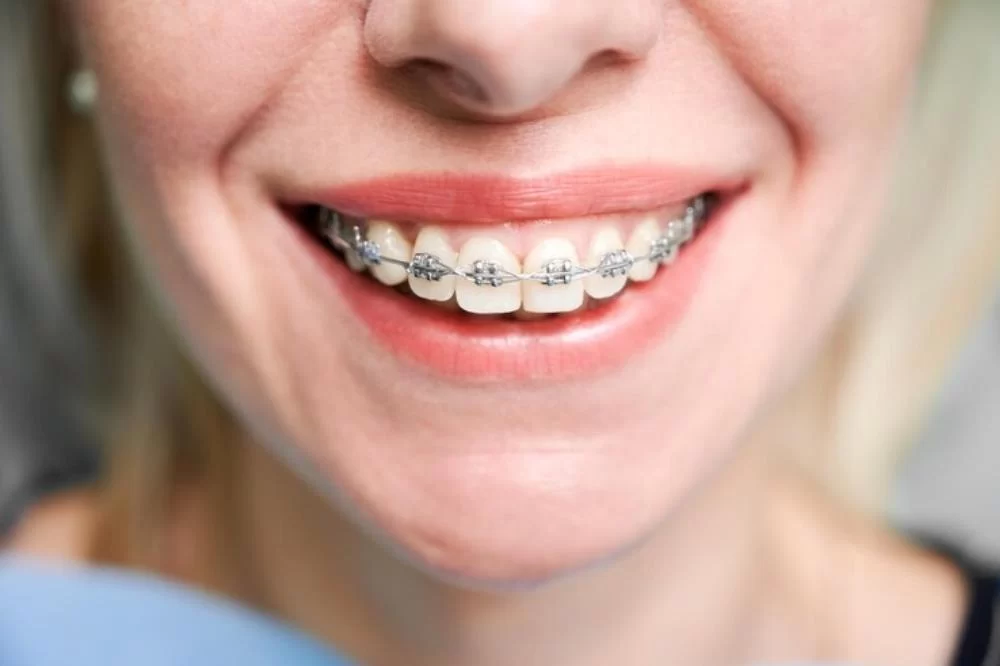
When most people think of braces, they envision the traditional metal braces. These are still one of the most popular choices for both children and adults due to their reliability and effectiveness in treating a wide range of dental issues. Metal braces use stainless steel brackets and wires to move teeth into their proper positions.
Despite their visibility, metal braces have come a long way in terms of comfort. Modern versions are smaller, more efficient, and have smoother edges, reducing discomfort during the treatment process.
For example, Sarah, a 25-year-old woman from California, opted for metal braces after discussing various options with her orthodontist. While she was initially concerned about the aesthetic impact, Sarah found that the results—straight teeth and a confident smile—were worth it. The cost-effective pricing and quicker treatment time for complex cases also influenced her decision.
2. Clear Braces: The Discreet Option
If you're concerned about the visibility of traditional metal braces, clear braces might be the ideal solution. Clear braces use ceramic brackets that blend in with your teeth, making them less noticeable than metal braces. This option is often favored by adults and teens who want a more aesthetic treatment.
However, clear braces can be more prone to staining, and they may require more frequent adjustments due to their delicate nature. But for those who want to straighten their teeth without drawing attention, they remain a popular choice.
Take James, a 30-year-old professional who works in marketing. He chose clear braces because he felt they would be less noticeable during meetings and client presentations. The clear brackets were a perfect match for his busy lifestyle, as he didn’t want his braces to affect his image.
3. Invisalign: The Clear Alternative
Invisalign is a revolutionary treatment that involves using clear, removable aligners to gradually shift teeth into place. Unlike traditional braces, Invisalign aligners are virtually invisible, making them a great option for adults and teens who are self-conscious about wearing braces.
In addition to aesthetics, Invisalign offers the convenience of removability, which allows you to eat and drink without restrictions. However, the success of this treatment heavily relies on patient compliance—aligners need to be worn for 20-22 hours a day to be effective.
One of the most notable success stories comes from Emma, a 22-year-old college student. Emma chose Invisalign for its comfort and discretion. She appreciated the freedom to remove her aligners when eating, which eliminated any dietary restrictions. After six months of wearing Invisalign, Emma was thrilled with the results and the ease of the treatment.
4. Cost and Treatment Duration
One of the biggest factors influencing your decision will be the cost of braces. While metal braces are generally the least expensive option, clear braces and Invisalign tend to be more expensive. The cost can vary widely depending on the complexity of the case, the duration of treatment, and the region where you live.
Treatment time is another factor. Metal braces usually require about 18-24 months, while clear braces and Invisalign treatments can take a bit longer, especially if the case is more complex. Discussing your budget and timeline with your orthodontist will help you make the best decision.
Chris, a 28-year-old business owner, had to balance his budget with his preference for discreet treatment. He opted for clear braces because they were a middle ground between the affordability of metal braces and the invisibility of Invisalign. His treatment took about 20 months, and he was satisfied with both the cost and the results.
5. Getting Professional Advice
Choosing the right type of braces should never be a decision made on your own. A consultation with an experienced orthodontist is essential. They will evaluate your dental needs, consider your lifestyle, and recommend the best braces option for you.
Your orthodontist can also explain the pros and cons of each treatment type, giving you a comprehensive view of what's best for your unique situation. Whether you're looking for a fast treatment, a discreet solution, or an affordable option, professional guidance is crucial to achieving the best results.
Before making a final choice, consider scheduling a consultation at a trusted dental practice like Dentistry Toothtruth, where you can get tailored advice on all the available braces options.






 MapleTree Pediatric Dentistry4.0 (102 review)
 Flanders Pediatric Dentistry4.0 (210 review)
 Sirin Dentistry4.0 (463 review)
 Dentistry at Greenway4.0 (121 review)
 Pompton Plains Oral Surgery4.0 (52 review)
 Dr. Shaifali Rametra, DDS / MS / MBA / MOLAR TO MOLAR DENTISTRY3.0 (26 review)
 The Importance of Oral Health Education During Pregnancy for a Healthy Pregnancy
 Best Tips for Brushing Your Teeth Properly for Healthy Gums: Essential Techniques for Oral Health
 Why Skipping Dental Checkups Can Lead to Bigger Oral Health Problems
 Advantages of Porcelain Dental Restorations
 How Can Diabetes Cause Tooth and Gum Problems? Preventing and Managing Oral Health Issues
 Healthy Habits for Promoting Good Oral Health and Hygiene: Tips for a Healthy Smile