
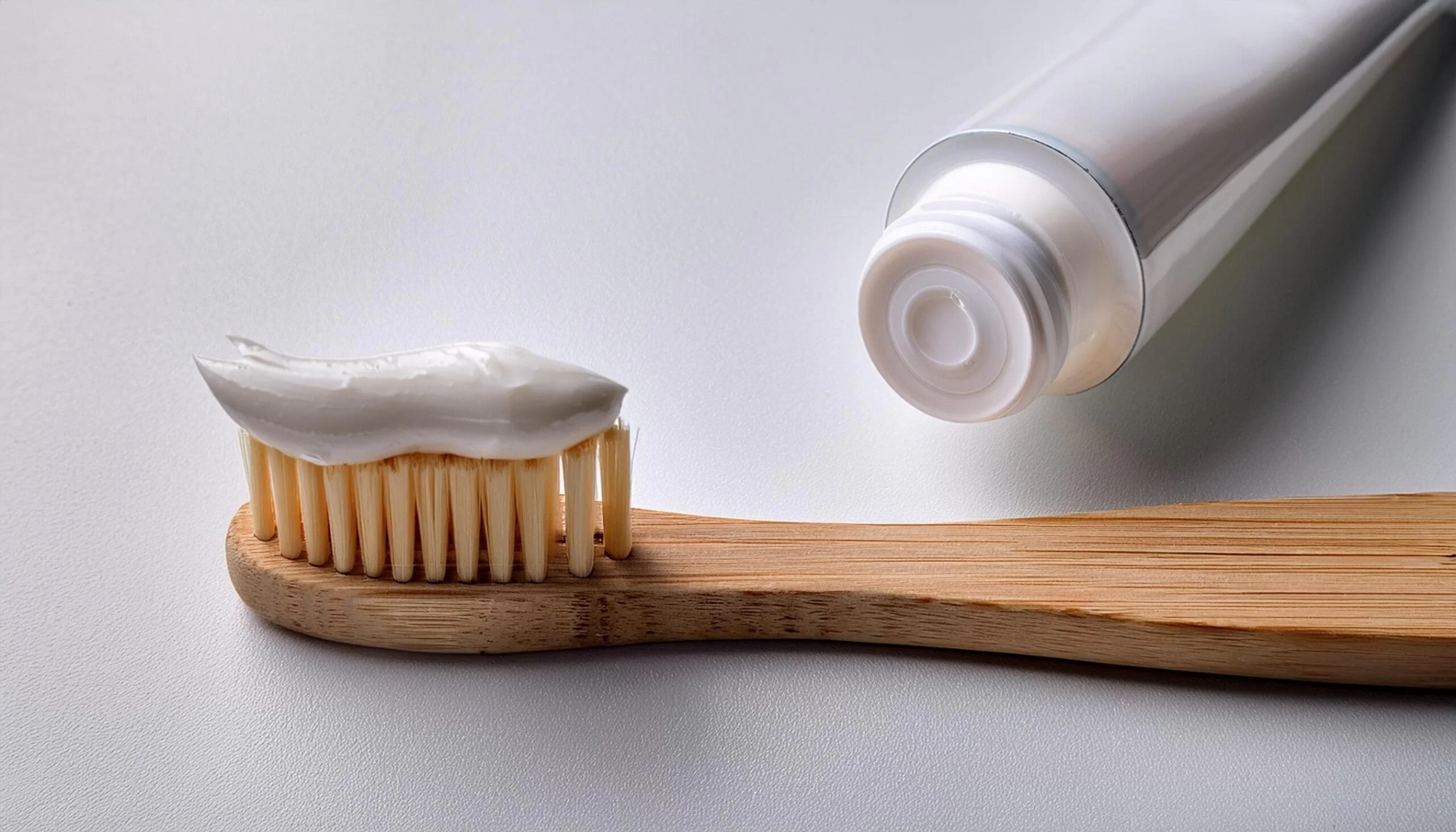
Choosing the Right Toothbrush for Adults: A Guide to Finding the Best Option for Your Oral Health
- 1. Why the Right Toothbrush Matters
- 2. Types of Toothbrushes for Adults
- 3. Manual vs. Electric Toothbrush: Which Is Better?
- 4. Choosing a Toothbrush for Sensitive Teeth
- 5. How to Pick the Right Toothbrush Head
- 6. When to Replace Your Toothbrush
1. Why the Right Toothbrush Matters
Choosing the right toothbrush is essential for maintaining good oral hygiene and preventing common dental problems like gum disease, plaque buildup, and cavities. The right toothbrush helps you clean your teeth effectively without causing damage to your gums or enamel. However, with so many options available, finding the best toothbrush for adults can be confusing. Let's break down what you need to consider when selecting a toothbrush to suit your needs.
2. Types of Toothbrushes for Adults
There are several types of toothbrushes available for adults, each designed to address different needs. The most common options are manual and electric toothbrushes. Both types have their benefits, but it's important to choose the one that best suits your oral care habits and preferences.
Let's take a look at the main types of toothbrushes:
- Manual Toothbrush: A classic option that requires more effort to use, but is effective when used correctly.
- Electric Toothbrush: Offers automated brushing motion and often comes with timers and pressure sensors to ensure proper brushing technique.
- Interdental Brush: A small brush designed to clean between the teeth, often recommended for people with braces or large gaps between their teeth.
3. Manual vs. Electric Toothbrush: Which Is Better?
When deciding between a manual or electric toothbrush, there are a few key differences to consider:
- Ease of Use: Electric toothbrushes do most of the work for you. They can be especially helpful for people with limited dexterity or arthritis. Manual toothbrushes, on the other hand, require more attention and technique to ensure you're brushing properly.
- Effectiveness: Studies show that electric toothbrushes can be more effective at removing plaque and reducing gum disease compared to manual brushes. Their automated motion makes it easier to clean hard-to-reach areas.
- Price: Electric toothbrushes tend to be more expensive than manual brushes, but they can offer added features like pressure sensors, timers, and multiple brushing modes.
Ultimately, the choice depends on your personal preference and budget. Both types can provide excellent oral care when used correctly.
4. Choosing a Toothbrush for Sensitive Teeth
If you have sensitive teeth or gums, choosing the right toothbrush is especially important. A toothbrush with soft bristles is essential for avoiding irritation or discomfort. Look for a toothbrush that has a gentle brushing action, and avoid hard bristles that can cause enamel erosion.
For people with sensitive teeth, electric toothbrushes with pressure sensors can help prevent brushing too hard. Additionally, some electric toothbrushes have specific modes designed for sensitive teeth that provide a gentler brushing experience.
It's also a good idea to use a toothpaste designed for sensitive teeth to complement your toothbrush choice. The combination of a soft-bristled brush and specialized toothpaste can help soothe discomfort and protect enamel.
5. How to Pick the Right Toothbrush Head
The toothbrush head is one of the most important factors in achieving a thorough clean. Here's how to choose the right head:
- Size: Choose a brush head that comfortably fits inside your mouth and can reach all areas of your teeth, including the back molars. Smaller heads are often better for precision cleaning.
- Bristle Type: As mentioned, softer bristles are best for people with sensitive teeth or gums. Hard bristles can cause irritation and even damage your gums.
- Shape: Brush heads come in a variety of shapes, including circular, oval, and diamond. Oval and circular heads are effective for overall brushing, while diamond-shaped heads may be more effective at cleaning the sides of your teeth.
6. When to Replace Your Toothbrush
Replacing your toothbrush regularly is crucial to maintaining optimal oral health. Over time, the bristles on your toothbrush wear down and become less effective at cleaning your teeth.
The American Dental Association recommends replacing your toothbrush every three to four months, or sooner if the bristles are frayed. If you've been sick, it's also a good idea to replace your toothbrush to avoid reinfection.
By regularly replacing your toothbrush and choosing the right one for your needs, you can ensure your oral health is on track and avoid common dental problems.
For more information or to explore a range of toothbrush options, visit Dentistry Toothtruth. Our expert team can help you find the best toothbrush for your needs!






 Jeffrey J. Emmi, DMD5.0 (3 review)
 Garrity Square Dental4.0 (6 review)
 SimpliSmiles Farmingdale4.0 (386 review)
 Great Expressions Dental Centers - New City4.0 (362 review)
 Shandley Kane Dental5.0 (319 review)
 Canyon Crest Dental4.0 (1293 review)
 The Importance of Oral Health Education During Pregnancy for a Healthy Pregnancy
 Best Tips for Brushing Your Teeth Properly for Healthy Gums: Essential Techniques for Oral Health
 Why Skipping Dental Checkups Can Lead to Bigger Oral Health Problems
 Advantages of Porcelain Dental Restorations
 How Can Diabetes Cause Tooth and Gum Problems? Preventing and Managing Oral Health Issues
 Healthy Habits for Promoting Good Oral Health and Hygiene: Tips for a Healthy Smile