
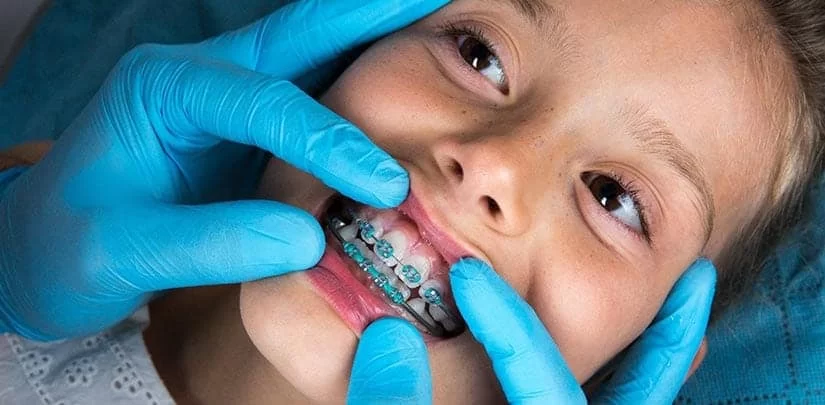
How to Care for Your Child's Teeth During Orthodontic Treatment
- 1. The Importance of Proper Care During Orthodontic Treatment
- 2. Daily Dental Hygiene for Children with Braces
- 3. Dietary Tips for Kids with Braces
- 4. Avoiding Common Orthodontic Emergencies
- 5. Real-Life Example: Managing Orthodontic Care
- 6. How to Support Your Child Throughout Their Treatment
1. The Importance of Proper Care During Orthodontic Treatment
Orthodontic treatment is an investment in your child’s long-term dental health and appearance. Braces or aligners are designed to straighten teeth, improve bite alignment, and enhance overall smile aesthetics. However, while wearing braces, proper care is essential to ensure the best possible outcome and avoid complications. Poor oral hygiene and improper maintenance can lead to issues such as tooth decay, gum disease, and damage to the braces themselves.
By educating yourself and your child about the importance of good oral care during orthodontic treatment, you can help ensure a smooth and successful journey to a healthier, more beautiful smile.
2. Daily Dental Hygiene for Children with Braces
Maintaining proper dental hygiene is key to successful orthodontic treatment. Braces can trap food and plaque, leading to an increased risk of cavities and gum problems. Here are essential tips for daily dental hygiene:
- Brush after every meal: It’s important to brush your child's teeth after every meal to remove food particles and plaque. Use a soft-bristled toothbrush and fluoride toothpaste. Braces may require more careful brushing, so a small orthodontic brush or an interdental brush can be very helpful for cleaning around the brackets.
- Floss daily: Flossing is crucial to remove food and plaque between the teeth and around the wires. A floss threader can help guide the floss between the braces. Alternatively, consider using orthodontic floss picks for easier use.
- Use mouthwash: Antiseptic mouthwash can help reduce plaque buildup and kill bacteria, which can help prevent gingivitis and cavities. Make sure the mouthwash is alcohol-free to avoid irritation.
3. Dietary Tips for Kids with Braces
What your child eats during their orthodontic treatment can have a significant impact on the success of their treatment. Certain foods can damage braces or cause discomfort. Here are some dietary tips:
- Avoid sticky foods: Sticky foods like caramel, gum, and taffy can get stuck in the brackets and are difficult to clean, leading to plaque buildup and potential damage to the braces.
- Limit hard foods: Hard foods such as nuts, popcorn, and ice cubes can cause brackets to break or loosen. It’s best to cut these into smaller pieces to avoid unnecessary pressure on the braces.
- Eat soft foods: Soft foods like yogurt, mashed potatoes, and smoothies are great options during the initial days after a new set of braces is put on. These foods are gentle on the mouth and won’t cause discomfort or harm to the braces.
4. Avoiding Common Orthodontic Emergencies
Orthodontic emergencies can sometimes happen during treatment. While most issues can be avoided by following proper care guidelines, here are some tips for preventing and dealing with common orthodontic problems:
- Loose brackets or wires: If your child’s braces break or a wire comes loose, it’s important to contact the orthodontist right away. In the meantime, a small piece of orthodontic wax can be used to cover sharp edges and reduce discomfort.
- Discomfort or pain: It’s common for children to experience some discomfort when braces are first put on or after adjustments. Over-the-counter pain relievers can help alleviate this pain. Soft foods and cold compresses can also provide relief.
- Swollen gums: Gums may become irritated or swollen during orthodontic treatment, especially in the first few weeks. Regular brushing and the use of saltwater rinses can help soothe the gums and promote healing.
5. Real-Life Example: Managing Orthodontic Care
Meet Emma, a 12-year-old girl who recently began orthodontic treatment. At first, Emma struggled with keeping her braces clean, often complaining of discomfort after every meal. Her parents quickly realized the importance of supporting her through the process. They made sure she had all the right tools: a toothbrush with soft bristles, floss picks, mouthwash, and orthodontic wax. With consistent care and support from her parents, Emma quickly adapted to her new routine and began noticing improvements in both her smile and oral health.
This success story highlights how crucial it is to be proactive in caring for your child's teeth during orthodontic treatment. Proper hygiene and dietary habits, along with emotional support, can make the process more manageable and rewarding.
6. How to Support Your Child Throughout Their Treatment
Orthodontic treatment can be a long journey, but with the right care and support, it can be a smooth and rewarding one. It’s essential to encourage your child to maintain good oral hygiene, avoid damaging foods, and stay on top of orthodontic check-ups. If you ever have concerns or questions, don’t hesitate to reach out to your child’s orthodontist for guidance and advice.
For more information on how to ensure your child’s orthodontic care is on track, visit Dentistry Toothtruth for expert tips and advice on maintaining optimal dental health during orthodontic treatment.






 Advantage Care Health Centers, Brookville, Freeport2.0 (16 review)
 Uchida Clyde Y DDS3.0 (9 review)
 Pinnacle Endodontics, Periodontics, and Implants4.0 (84 review)
 Gessel Orthodontics5.0 (565 review)
 Chiulli Implants and Periodontics4.0 (134 review)
 Art of Dentistry: Lalitha Shankar DMD4.0 (34 review)
 The Importance of Oral Health Education During Pregnancy for a Healthy Pregnancy
 Best Tips for Brushing Your Teeth Properly for Healthy Gums: Essential Techniques for Oral Health
 Why Skipping Dental Checkups Can Lead to Bigger Oral Health Problems
 Advantages of Porcelain Dental Restorations
 How Can Diabetes Cause Tooth and Gum Problems? Preventing and Managing Oral Health Issues
 Healthy Habits for Promoting Good Oral Health and Hygiene: Tips for a Healthy Smile