
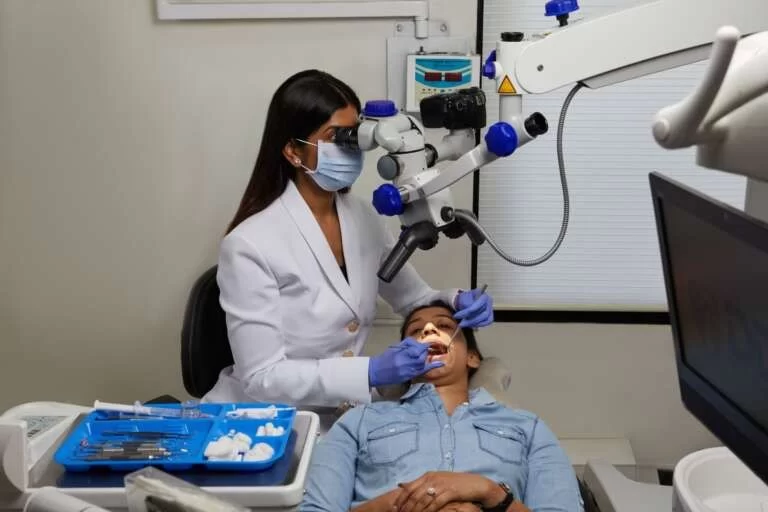
- canal-treatment-for-busy-professionals-how-safe-and-effective-is-it
- why-busy-professionals-delay-dental-care
- how-modern-root-canal-treatment-works
- is-root-canal-treatment-safe
- how-effective-is-root-canal-treatment
- time-efficient-treatment-options
- real-story-from-a-working-professional
- how-to-prepare-for-root-canal-treatment
1. Canal Treatment for Busy Professionals: How Safe and Effective Is It?
For many working adults in the United States, dental care often falls to the bottom of a long to-do list. Meetings, deadlines, travel schedules, and family responsibilities can make it easy to ignore tooth pain or dental discomfort. I’ve personally seen this pattern many times among colleagues and friends. Someone mentions a mild toothache during lunch, promises to schedule a dental appointment, and then postpones it again and again.
This is exactly where the question becomes important: Canal Treatment for Busy Professionals: How Safe and Effective Is It? Modern dentistry has evolved dramatically over the past two decades. What used to require multiple visits and days of discomfort is now a highly efficient, safe, and predictable procedure designed to fit even the busiest schedules.
Root canal therapy, often referred to as canal treatment, is one of the most effective procedures for saving a damaged tooth. Instead of extracting the tooth and dealing with implants or bridges later, dentists can remove the infected pulp, clean the inside of the tooth, and seal it—allowing you to keep your natural tooth for many years.
2. Why Busy Professionals Often Delay Dental Care
2.1 Work Schedules and Time Constraints
One of the most common reasons professionals delay root canal treatment is simply lack of time. I once worked with a project manager who traveled weekly across three states. He ignored a tooth infection for months because he believed treatment would require several appointments.
Modern dental clinics, however, often complete canal treatment in one or two visits using advanced digital imaging and rotary instruments. This means professionals can receive treatment with minimal disruption to their schedule.
2.2 Fear Based on Outdated Information
Many people still associate root canals with painful experiences. That reputation largely comes from procedures performed decades ago. Today, local anesthesia, advanced tools, and precise diagnostics make root canal therapy far more comfortable.
In fact, most patients say the experience feels similar to receiving a standard dental filling.
2.3 Misunderstanding the Consequences
Another reason busy professionals delay treatment is underestimating the seriousness of dental infections. A small tooth infection can quickly spread to surrounding tissue. Left untreated, it may require extraction, surgery, or expensive restorative treatments.
Addressing the issue early with canal treatment is usually the safest and most cost-effective option.
3. How Modern Root Canal Treatment Works
3.1 Diagnosis and Imaging
The first step in canal treatment involves a detailed diagnosis. Dentists use digital X-rays and sometimes 3D imaging to determine the extent of the infection. This helps create a precise treatment plan that minimizes procedure time.
3.2 Cleaning the Infected Tooth
Once the dentist numbs the area, a small opening is created in the tooth. The infected pulp inside the root canal is carefully removed. The canals are then cleaned and disinfected to eliminate bacteria.
3.3 Sealing and Protecting the Tooth
After cleaning, the dentist fills the canal space with a specialized material designed to prevent reinfection. In many cases, a dental crown is placed on the tooth to restore strength and functionality.
The result is a preserved natural tooth that looks and functions normally.
4. Is Root Canal Treatment Safe?
4.1 Clinical Safety Standards
Modern root canal procedures are considered extremely safe. Dentists follow strict sterilization and infection-control protocols to ensure patient safety.
Advanced tools such as rotary endodontic systems and electronic apex locators allow dentists to perform treatment with remarkable precision.
4.2 High Success Rates
According to dental research, root canal treatment has a success rate of over 90 percent. Many treated teeth last a lifetime when properly restored and maintained.
This makes canal treatment one of the most reliable dental procedures available today.
4.3 Minimal Recovery Time
For busy professionals, recovery time matters. Fortunately, most patients return to work the same day or the following morning. Mild soreness may occur for a short period, but it is typically manageable with over-the-counter medication.
5. How Effective Is Root Canal Treatment for Long-Term Dental Health?
5.1 Preserving Natural Teeth
Saving your natural tooth is always preferable to extraction when possible. Natural teeth maintain jawbone structure and proper bite alignment.
5.2 Preventing Future Complications
When infection is removed and the tooth is sealed, bacteria cannot easily return. This dramatically reduces the risk of further dental complications.
5.3 Long-Term Cost Benefits
Although some people hesitate because of the initial cost, root canal therapy is often more affordable than replacing a missing tooth with implants or bridges.
Preventive treatment now can save thousands of dollars in restorative procedures later.
6. Time-Efficient Treatment Options for Professionals
6.1 Same-Day Endodontics
Many modern dental clinics now offer same-day root canal procedures. With digital planning and advanced tools, treatment can often be completed in under two hours.
6.2 Flexible Scheduling
Some clinics provide early morning, evening, or weekend appointments specifically designed for working professionals.
Platforms like Family Dentistry Online help patients locate dentists who offer flexible scheduling and advanced treatment options suited for busy lifestyles.
6.3 Minimally Invasive Techniques
Modern dentistry focuses on preserving as much natural tooth structure as possible. Minimally invasive techniques reduce recovery time and increase treatment success.
7. A Real Story from a Busy Professional
One of my friends works in corporate finance in Chicago. His schedule often stretches to 60 hours a week, and he rarely had time for doctor appointments.
After months of ignoring tooth pain, he finally scheduled a dental consultation. The dentist confirmed that he needed root canal treatment.
To his surprise, the entire procedure took less than two hours. He returned to work the next morning with almost no discomfort. Months later, he admitted that postponing the treatment caused far more stress than the procedure itself.
8. How to Prepare for Canal Treatment
8.1 Schedule Smartly
Try to book your appointment earlier in the day if possible. This gives your body time to recover before evening activities.
8.2 Eat Before the Procedure
Once anesthesia is administered, your mouth may feel numb for several hours. Eating beforehand ensures you stay comfortable afterward.
8.3 Follow Aftercare Instructions
Your dentist may recommend avoiding hard foods temporarily and maintaining excellent oral hygiene.
Professionals who want reliable information about root canal procedures, dental clinics, and preventive oral health resources can explore helpful guidance and service options through Family Dentistry Online.

 Oral Surgery Partners4.0 (221 review)
 Tri City Endodontics5.0 (4 review)
 Small World Dental - Pediatric Dentist and Orthodontist4.0 (1469 review)
 Aspen Dental - Raynham, MA4.0 (311 review)
 Midwest Dental Implantology Dr. Tricia Crosby, Dr. Martin Kolinski, Dr. William Trahan4.0 (49 review)
 Dental Care of North Fort Myers4.0 (708 review)
 The Importance of Oral Health Education During Pregnancy for a Healthy Pregnancy
 Best Tips for Brushing Your Teeth Properly for Healthy Gums: Essential Techniques for Oral Health
 Why Skipping Dental Checkups Can Lead to Bigger Oral Health Problems
 Advantages of Porcelain Dental Restorations
 How Can Diabetes Cause Tooth and Gum Problems? Preventing and Managing Oral Health Issues
 Healthy Habits for Promoting Good Oral Health and Hygiene: Tips for a Healthy Smile