
1. Understanding the Importance of Oral Hygiene
1.1 More Than Just a Smile
Good oral hygiene is not only about fresh breath or white teeth—it plays a critical role in your overall health. Scientific studies in the U.S. have linked poor oral hygiene to serious conditions like heart disease, diabetes, and even Alzheimer’s. In a 2024 study published by the American Dental Association, patients with gum disease were 2.5 times more likely to suffer from cardiovascular issues. Clearly, brushing twice a day is no longer just about appearances—it’s about prevention.
1.2 Real-Life Impact: Jake’s Story
Jake, a 37-year-old web developer from Austin, had never taken flossing seriously. After years of neglect, he started experiencing bleeding gums and tooth sensitivity. A dentist diagnosed him with early-stage periodontal disease. With a proper oral care routine and consistent follow-ups, Jake managed to reverse the damage. Today, he advocates for better dental habits through his blog. His journey proves that timely changes can genuinely improve oral hygiene and even save your smile.
2. Building an Effective Daily Dental Routine
2.1 Brushing Correctly: It’s Not Just About Frequency
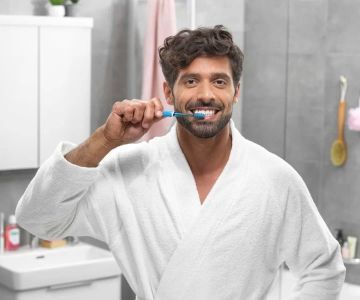
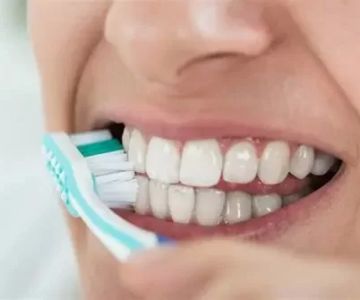
Brushing twice daily is essential, but technique matters just as much. The American Dental Association recommends brushing for two full minutes using a fluoride toothpaste. Many Americans, however, brush for less than 60 seconds and often miss key areas like the gumline and inner molars. Electric toothbrushes with timers can be a game-changer here, ensuring you’re not rushing the process.
2.2 The Magic of Flossing and Why Most Skip It
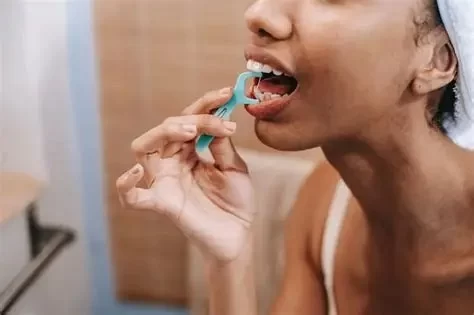
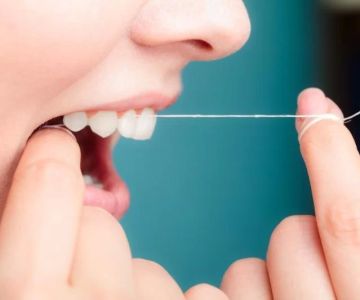
Flossing is often neglected—even though it removes 40% of plaque from your teeth. Daily flossing helps prevent cavities between teeth and reduces the risk of gingivitis. Water flossers are a great alternative for those who find string floss too tedious or painful, especially for people with braces or tight gaps.
2.3 Mouthwash: Optional or Essential?
Mouthwash is more than a minty rinse—it can reduce bacteria, freshen breath, and protect enamel. For patients with dry mouth or gingivitis, antimicrobial rinses can provide additional protection. But always ensure your mouthwash is alcohol-free to avoid drying out your oral tissues.
3. Nutritional Habits That Support Oral Health
3.1 Sugar: The Hidden Culprit in American Diets
Sugar feeds the harmful bacteria in your mouth, leading to plaque and decay. From sodas to seemingly healthy fruit juices, sugar is everywhere. A switch to water or sugar-free alternatives can reduce the acid attacks on your enamel. And don’t forget—frequent snacking keeps your mouth in a constant acid bath. Stick to structured meals to allow saliva to neutralize acids naturally.
3.2 Foods That Strengthen Teeth
Dairy products like cheese and yogurt are rich in calcium and phosphate, essential for enamel strength. Leafy greens, carrots, and almonds help clean your teeth while you chew. Crunchy vegetables also stimulate saliva, which is your mouth's natural defense system.
4. The Role of Professional Dental Care
4.1 Why Biannual Cleanings Still Matter
Professional dental cleanings go beyond what a toothbrush can do. Dentists can remove tartar that builds up over time and spot problems early—before they become costly. The CDC notes that nearly 47% of adults over 30 have some form of periodontal disease, often due to skipped appointments. Twice-a-year visits can prevent long-term issues and save you money down the road.
4.2 X-Rays and Screenings: Not Just for Cavities
Dental X-rays detect more than cavities—they can reveal tumors, cysts, bone loss, and even sinus issues. Screenings for oral cancer, especially for tobacco users, are critical and are often included in regular exams. These tools are essential for maintaining not just oral, but systemic health.
5. Common Mistakes That Undermine Oral Hygiene
5.1 Brushing Too Hard
Many people equate aggressive brushing with better cleaning. In reality, brushing too hard wears down enamel and irritates the gums. Soft-bristled brushes and gentle circular motions are more effective and safer.
5.2 Ignoring Tongue Cleaning
Your tongue harbors bacteria that contribute to bad breath and infection. Using a tongue scraper or brushing your tongue daily is an often-overlooked step in a comprehensive dental routine.
5.3 Overusing Whitening Products
Excessive use of whitening strips or gels can lead to tooth sensitivity and enamel erosion. If you’re looking for a brighter smile, consult a dental professional to ensure safety and effectiveness.
6. The Connection Between Stress and Oral Health
6.1 Teeth Grinding and Jaw Pain
Bruxism, or teeth grinding, often stems from stress and anxiety. It can lead to worn teeth, TMJ disorders, and chronic headaches. Nightguards and stress-management strategies, like mindfulness or therapy, can help mitigate this silent issue.
6.2 Gum Disease and Emotional Health
Stress weakens your immune system, making it harder for your body to fight off the bacteria that cause gum disease. Emotional health and oral health are deeply connected, which is why holistic care matters.
7. Advanced Tools and Innovations in Oral Care
7.1 Smart Toothbrushes
AI-powered brushes now offer real-time feedback via mobile apps, telling users where they’re missing spots and how much pressure they’re applying. These gadgets are especially useful for kids and elderly patients who may need guidance.
7.2 At-Home Diagnostic Kits
Some companies offer saliva testing kits that detect pH levels, bacterial counts, or even genetic predispositions to gum disease. These tests can help tailor your oral care routine before issues arise.
8. Expert Help Makes a Difference
Every mouth is different, and cookie-cutter advice doesn't always work. That’s why consulting with professionals is so crucial. Whether you’re looking to treat gum disease, correct your brushing technique, or explore whitening safely, personalized guidance ensures the best outcome.
For tailored advice and expert dental care, visit Dentistry Toothtruth. Our specialists are committed to helping Americans across all age groups achieve long-term oral health with customized support and scientifically sound solutions.

 Zhihao You, DDS, MS, PhD0.0 (0 review)
 Smileyville Braces and Invisalign4.0 (431 review)
 Arts District Dental4.0 (370 review)
 Barrett Dental Care4.0 (221 review)
 Westborough Family Dental5.0 (71 review)
 Crest Hill Family Dental4.0 (40 review)
 The Importance of Oral Health Education During Pregnancy for a Healthy Pregnancy
 Best Tips for Brushing Your Teeth Properly for Healthy Gums: Essential Techniques for Oral Health
 Why Skipping Dental Checkups Can Lead to Bigger Oral Health Problems
 Advantages of Porcelain Dental Restorations
 How Can Diabetes Cause Tooth and Gum Problems? Preventing and Managing Oral Health Issues
 Healthy Habits for Promoting Good Oral Health and Hygiene: Tips for a Healthy Smile