
1- Can You Get Gingivitis Even With Good Oral Hygiene?
Gingivitis is a common dental problem that affects the gums, causing them to become swollen, red, and bleed easily. Most people assume that as long as they maintain good oral hygiene, they are immune to gingivitis. But can you really avoid gingivitis if you brush and floss regularly?
In this article, we will explore the causes of gingivitis, how even the best oral hygiene practices may not always protect you, and what you can do to prevent and treat this condition. We'll also share stories and expert insights to help you understand the complexities of gingivitis and oral health.
2- What Is Gingivitis?
Gingivitis is a mild form of gum disease that occurs when plaque—a sticky film of bacteria—builds up on the teeth and gums. If plaque isn't removed through regular brushing and flossing, it can irritate the gum tissue and cause inflammation. This leads to the characteristic symptoms of gingivitis, such as redness, swelling, and bleeding of the gums, especially when brushing or flossing.
While gingivitis can affect anyone, it is more likely to occur if oral hygiene is neglected. However, maintaining good oral hygiene doesn’t necessarily guarantee that you won’t develop gingivitis. Even people with excellent oral care can be at risk under certain circumstances.
3- Can Good Oral Hygiene Prevent Gingivitis?
Good oral hygiene, including regular brushing, flossing, and professional dental cleanings, plays a critical role in preventing gingivitis. However, it's important to understand that oral hygiene alone might not always prevent this condition. Several factors can increase the risk of developing gingivitis, even in individuals who brush and floss regularly.
3.1- Factors That Can Contribute to Gingivitis Despite Good Oral Hygiene
There are several reasons why someone with excellent oral hygiene might still develop gingivitis:
1. Genetics
Genetics plays a significant role in your oral health. Some individuals are genetically predisposed to developing gum disease, including gingivitis, regardless of how well they care for their teeth. This is because the body’s inflammatory response to bacteria in the mouth may be stronger in some people, making them more susceptible to gum problems.
2. Medical Conditions
Certain medical conditions, such as diabetes, hormonal changes (like those during pregnancy or menopause), and autoimmune diseases, can increase the risk of gingivitis. Even with good oral hygiene, these conditions can interfere with the body’s ability to fight off bacteria and inflammation, making gums more prone to irritation.
3. Medications
Some medications, particularly those that cause dry mouth (like antihistamines or certain blood pressure medications), can make the gums more vulnerable to infection. A dry mouth reduces the amount of saliva in the mouth, which plays an essential role in neutralizing acids and washing away food particles and bacteria. Without enough saliva, plaque buildup can occur, leading to gingivitis.
4. Smoking and Tobacco Use
Smoking and using tobacco products can severely impact your gum health, making it easier for gingivitis to develop. Tobacco impairs blood flow to the gums, weakening their ability to heal from irritation. Additionally, smoking can reduce the effectiveness of your immune system, making it more difficult to fight off the bacteria that cause gingivitis.
3.2- Why Even the Best Brushing Might Not Be Enough
Even if you brush twice a day and floss regularly, some hard-to-reach areas in the mouth may still harbor plaque that leads to gingivitis. For example, the back of your molars or the spaces between your teeth might not be adequately cleaned by brushing alone. In these areas, plaque can accumulate, leading to gum irritation.
Furthermore, if you're using the wrong toothbrush or brushing technique, you may not be effectively removing plaque. Hard bristles can damage gum tissue, while improper brushing motions can leave plaque behind, contributing to gum disease.
4- How Can You Prevent Gingivitis?
Preventing gingivitis requires more than just regular brushing and flossing. To effectively avoid gum disease, consider the following tips:
4.1- Use Proper Brushing and Flossing Techniques
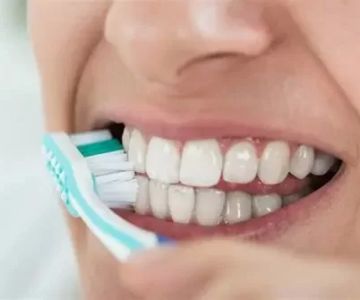
Ensure you are brushing your teeth with the correct technique—gently brushing in small circular motions to remove plaque without damaging your gums. Use a soft-bristled toothbrush and fluoride toothpaste for optimal results. Don’t forget to floss at least once a day to remove plaque and food particles from between your teeth.
4.2- Visit Your Dentist Regularly
Even with great oral hygiene, regular dental check-ups are crucial. A professional cleaning can remove plaque and tartar that can’t be eliminated by brushing alone. Your dentist can also spot early signs of gingivitis and recommend treatment before it worsens.
4.3- Manage Underlying Health Conditions
If you have diabetes, hormonal changes, or other medical conditions, managing these health issues is essential for preventing gingivitis. Keeping your blood sugar levels stable or following your doctor’s advice on medication can help maintain healthy gums.
4.4- Avoid Tobacco
Quitting smoking or using tobacco products can greatly improve your gum health. Tobacco use weakens the immune system and reduces blood flow to your gums, making it easier for gingivitis to develop. If you're struggling to quit, speak to your doctor about resources that can help you.
5- What Are the Symptoms of Gingivitis?
Knowing the signs of gingivitis is essential for catching the condition early. Here are some common symptoms to watch for:
1. Swollen or Red Gums
Your gums may appear redder than usual, and they may be swollen or puffy to the touch.
2. Bleeding Gums
If your gums bleed when you brush or floss, this is a strong sign of gingivitis. Healthy gums should not bleed during regular oral care.
3. Bad Breath
Persistent bad breath, also known as halitosis, can be a symptom of gingivitis due to the bacteria buildup in your mouth.
4. Tender Gums
Your gums may feel tender or sensitive, especially when brushing or flossing.
6- How Is Gingivitis Treated?
The good news is that gingivitis is reversible with proper treatment. If you suspect you have gingivitis, it's important to visit your dentist for an evaluation. Treatment typically includes:
1. Professional Cleaning
Your dentist will likely perform a professional cleaning to remove plaque and tartar from your teeth and gums. This is an essential step in restoring gum health.
2. Improved Oral Hygiene
If gingivitis is detected early, improving your oral hygiene routine can help reverse the condition. Your dentist may provide tips for better brushing and flossing techniques, as well as recommend certain dental products that are more effective at removing plaque.
3. Antibacterial Mouthwash
In some cases, your dentist may recommend an antibacterial mouthwash to reduce plaque and bacteria buildup.
4. Treatment of Underlying Conditions
If your gingivitis is related to an underlying medical condition, managing that condition with the help of your healthcare provider can improve your gum health.
With early intervention and proper care, gingivitis can be effectively treated and reversed. However, if left untreated, it can lead to more serious gum disease, such as periodontitis, which may result in tooth loss.
If you're concerned about your oral health or need advice on preventing and treating gingivitis, visit Family Dentistry Online for the best recommendations and services tailored to your needs.




 Buena Park Smile Dental Group4.0 (37 review)
 iSmiles Kids Dentistry4.0 (123 review)
 Madison Oral Surgery & Dental Implants4.0 (661 review)
 Purcell Family Dentistry4.0 (121 review)
 River Run Dental4.0 (469 review)
 National Dental Williston Park4.0 (287 review)
 The Importance of Oral Health Education During Pregnancy for a Healthy Pregnancy
 Best Tips for Brushing Your Teeth Properly for Healthy Gums: Essential Techniques for Oral Health
 Why Skipping Dental Checkups Can Lead to Bigger Oral Health Problems
 Advantages of Porcelain Dental Restorations
 How Can Diabetes Cause Tooth and Gum Problems? Preventing and Managing Oral Health Issues
 Healthy Habits for Promoting Good Oral Health and Hygiene: Tips for a Healthy Smile