
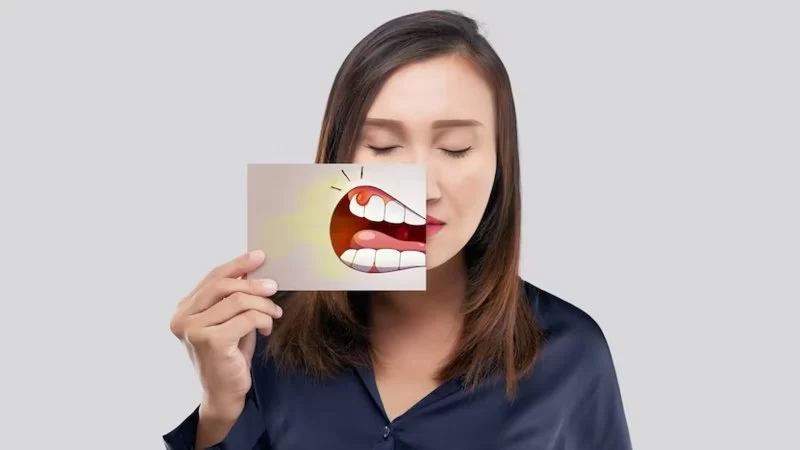
1. Understanding the Health Risks of Receiving Oral Sex
1.1 A Common but Often Misunderstood Sexual Practice
Oral sex is widely practiced and often perceived as safer than vaginal or anal intercourse. However, this perception can be misleading. Receiving oral sex still carries a risk of transmitting various sexually transmitted infections (STIs). What makes oral sex particularly deceptive is the absence of penetration, which leads many to wrongly assume it's risk-free. In reality, bacteria and viruses can still be exchanged through saliva, mucous membranes, and even small cuts in the mouth or genitals.
1.2 Why It’s a Health Topic Worth Addressing in the U.S.
According to data from the Centers for Disease Control and Prevention (CDC), the number of STIs in the United States has been steadily increasing, particularly among young adults. Oral transmission of disease is often underreported and misunderstood, making awareness and education crucial. Many infections contracted this way are asymptomatic in early stages, leading to delayed diagnosis and increased risk of complications or further spread.
2. Diseases You Can Get from Receiving Oral Sex
2.1 Herpes Simplex Virus (HSV)
Herpes is one of the most common viruses transmitted through oral sex. If a person performing oral sex has oral herpes (cold sores), the virus can easily transfer to the genital area of the receiver. HSV-1 is often associated with cold sores but can cause genital herpes if transmitted this way. Unlike many other infections, herpes has no cure—only management through antiviral medications.
2.2 Human Papillomavirus (HPV)
HPV is another highly prevalent virus that can be transmitted through oral-genital contact. Even without visible warts, the virus can still be present and spread. Some strains of HPV have been linked to cancers of the mouth, throat, and cervix. In fact, oral HPV infections are now one of the leading causes of oropharyngeal cancers in the U.S., particularly among men.
2.3 Gonorrhea and Chlamydia
While commonly thought of as genital infections, both gonorrhea and chlamydia can infect the throat. If someone performing oral sex has either of these STIs in their throat, they can transmit the bacteria to the receiver's genital area. Gonorrhea, in particular, has shown increasing resistance to antibiotics, making it a growing public health concern.
2.4 Syphilis and Hepatitis B
Syphilis can be passed on through oral contact with syphilitic sores, which may not be easily visible. Hepatitis B, a virus that attacks the liver, can also be transmitted via oral sex, especially if there are cuts or sores present. Vaccination is one of the most effective ways to prevent hepatitis B transmission, but many adults in the U.S. remain unvaccinated.
3. Personal Stories: A Wake-Up Call for Many
3.1 A College Student's Experience with Oral Herpes
Jared, a sophomore at a Midwest university, believed oral sex was completely safe. After an encounter at a party, he developed painful blisters and was later diagnosed with HSV-1. “I had no idea you could get herpes from oral sex,” he shared. His story, unfortunately, is not unique and highlights the importance of education on the subject.
3.2 The Case of an Athlete Diagnosed with Oral HPV
Jessica, a 34-year-old fitness coach, was stunned when she was diagnosed with early-stage throat cancer. Tracing back her health history, doctors concluded it was likely linked to an oral HPV infection. Her case demonstrates how something as seemingly innocuous as oral sex can have long-term health implications.
4. Recognizing Symptoms After Receiving Oral Sex
4.1 Early Signs of STIs That May Be Overlooked
Not all STIs show immediate or obvious symptoms, but when they do, they may include genital irritation, painful urination, sores, unusual discharge, or flu-like symptoms. It’s also possible to carry an infection without showing any symptoms at all, which is why regular testing is so crucial—even if you're asymptomatic.
4.2 When to See a Doctor
If you've received oral sex and later notice any discomfort or unusual changes in your genital area, consult a healthcare provider. Early diagnosis increases the chance of successful treatment and reduces the likelihood of spreading the infection to others. Clinics across the United States—including those recommended by Dentistry Toothtruth—offer STI screening and education with confidentiality and care.
5. How to Stay Safe Without Losing Intimacy
5.1 The Role of Protection and Hygiene
Using barriers like condoms and dental dams during oral sex significantly lowers the risk of transmitting infections. Also, avoiding oral sex during outbreaks of sores or illnesses (such as cold sores or flu) helps reduce transmission risk. Good oral hygiene—brushing, flossing, and avoiding oral injuries—can further lower the chance of bloodborne virus entry through the mouth.
5.2 Communication and Consent Matter
Open conversations about sexual health, testing history, and protection preferences should be normalized. While these talks may seem uncomfortable at first, they’re a vital part of responsible intimacy. Many clinics now offer couples testing packages, helping partners stay informed and safe together.
5.3 Getting Regular Check-Ups
Annual or semi-annual STI screenings are recommended for anyone sexually active, regardless of the type of activity involved. If you engage in oral sex, request a throat swab in addition to the standard urine or blood tests, as some infections reside in the throat and won’t show up in genital tests.
6. Final Perspective: Oral Health Meets Sexual Health
Receiving oral sex is part of many intimate relationships, but it shouldn’t be assumed to be risk-free. The connection between oral health and sexual disease transmission is becoming more evident in the medical community. Whether it's preventing oral herpes or protecting against throat HPV, understanding the risks—and taking action—is essential. Practicing safe sex, maintaining oral hygiene, and getting regular health checks are smart, responsible steps. For more education, screenings, or expert care, explore trusted providers like Dentistry Toothtruth, who offer the information and services to help you stay healthy and confident.

 Park South Dental: Lam Phillip H DMD4.0 (29 review)
 Allen J. Schultz, DDS5.0 (1 review)
 Rhode Island Periodontics4.0 (694 review)
 Brar Dentistry4.0 (381 review)
 Sunrise Dental Group Dr Monica Giuliani4.0 (307 review)
 Gasser Dental Implants4.0 (219 review)
 The Importance of Oral Health Education During Pregnancy for a Healthy Pregnancy
 Best Tips for Brushing Your Teeth Properly for Healthy Gums: Essential Techniques for Oral Health
 Why Skipping Dental Checkups Can Lead to Bigger Oral Health Problems
 Advantages of Porcelain Dental Restorations
 How Can Diabetes Cause Tooth and Gum Problems? Preventing and Managing Oral Health Issues
 Healthy Habits for Promoting Good Oral Health and Hygiene: Tips for a Healthy Smile