
Can You Fix Tooth Decay at Home? Effective Solutions and Tips for Natural Treatment
- 1. Understanding Tooth Decay
- 2. Popular Home Remedies for Tooth Decay
- 3. How to Prevent Tooth Decay from Coming Back
- 4. When to See a Dentist for Tooth Decay
1. Understanding Tooth Decay
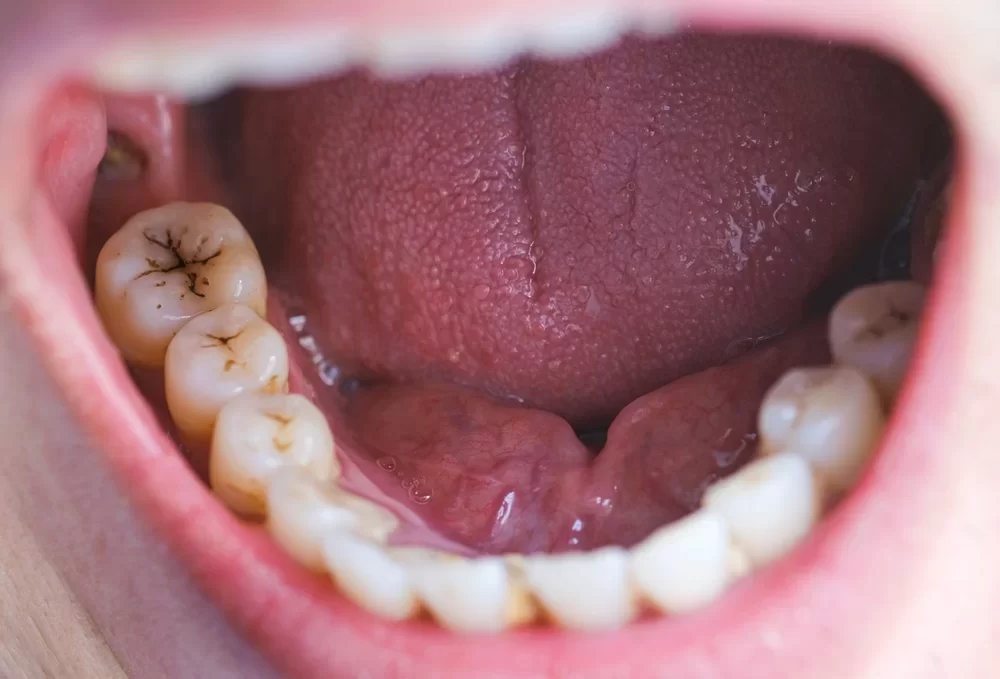
Tooth decay, also known as cavities, occurs when bacteria in your mouth produce acids that erode the enamel of your teeth. Left untreated, tooth decay can lead to serious dental problems, including infection, gum disease, and tooth loss. While professional dental treatment is crucial, many people wonder if they can fix tooth decay at home using natural methods.
2. Popular Home Remedies for Tooth Decay
While home remedies for tooth decay cannot replace professional dental care, there are several ways you can help slow the progression of cavities and manage the symptoms:
2.1 Oil Pulling
Oil pulling with coconut or sesame oil is an ancient Ayurvedic practice that involves swishing oil in your mouth to reduce harmful bacteria. Many people find this remedy helpful in maintaining oral health and preventing tooth decay.
2.2 Proper Diet
Eating a nutrient-rich diet, particularly one high in calcium, vitamin D, and phosphorus, is essential for strengthening tooth enamel and supporting overall dental health. Foods like cheese, leafy greens, and nuts can help remineralize teeth and protect against decay.
2.3 Saltwater Rinse
A simple saltwater rinse is an effective way to reduce inflammation and kill bacteria that contribute to tooth decay. It is especially helpful for soothing irritated gums and preventing further damage to your teeth.
2.4 Green Tea
Drinking unsweetened green tea has been shown to have antimicrobial properties, which can help fight bacteria in the mouth and reduce plaque buildup. The polyphenols in green tea may also support the remineralization of enamel.
3. How to Prevent Tooth Decay from Coming Back
Preventing tooth decay from returning requires consistent oral hygiene and healthy habits. Here are some tips to help you maintain a cavity-free smile:
3.1 Brushing and Flossing
Brushing your teeth at least twice a day with fluoride toothpaste and flossing daily are the most important steps in preventing tooth decay. This helps remove plaque and food particles, preventing the buildup of harmful bacteria.
3.2 Regular Dental Checkups
Even if you practice good oral hygiene, regular dental checkups are crucial for catching any signs of decay early. Dentists can help detect cavities and provide treatments like fluoride treatments to strengthen your teeth.
3.3 Avoid Sugary Foods and Drinks
Limit your intake of sugary snacks, sodas, and other high-sugar foods. Sugar feeds the bacteria in your mouth, leading to the production of acids that erode enamel and cause tooth decay.
4. When to See a Dentist for Tooth Decay
While some home remedies can help manage early stages of tooth decay, it is important to seek professional dental care if you experience any of the following symptoms:
- Severe tooth pain
- Sensitivity to hot or cold foods
- Visible holes or dark spots on teeth
- Swollen or bleeding gums
If you are concerned about your dental health, schedule a visit to a dentist who can assess the extent of the damage and provide the appropriate treatment, such as fillings or root canals.
By taking proactive steps at home, you can help prevent and manage tooth decay. However, remember that visiting a dentist is essential for maintaining long-term dental health. For more information on how to care for your teeth and treat tooth decay, visit Dentistry Toothtruth.






 Advantage Care Health Centers, Brookville, Freeport2.0 (16 review)
 Uchida Clyde Y DDS3.0 (9 review)
 Pinnacle Endodontics, Periodontics, and Implants4.0 (84 review)
 Gessel Orthodontics5.0 (565 review)
 Chiulli Implants and Periodontics4.0 (134 review)
 Art of Dentistry: Lalitha Shankar DMD4.0 (34 review)
 The Importance of Oral Health Education During Pregnancy for a Healthy Pregnancy
 Best Tips for Brushing Your Teeth Properly for Healthy Gums: Essential Techniques for Oral Health
 Why Skipping Dental Checkups Can Lead to Bigger Oral Health Problems
 Advantages of Porcelain Dental Restorations
 How Can Diabetes Cause Tooth and Gum Problems? Preventing and Managing Oral Health Issues
 Healthy Habits for Promoting Good Oral Health and Hygiene: Tips for a Healthy Smile