
Understanding the Risks of Disease Transmission from Receiving Oral Sex
Oral sex is a common and intimate part of many sexual relationships, but it’s important to understand that receiving oral sex can carry risks of disease transmission. While many people believe oral sex is a safer alternative to other sexual activities, it is not completely without risk. Certain infections and diseases can be passed through oral-genital contact, making it essential to be informed about potential health implications.
In the United States, sexually transmitted infections (STIs) are a significant public health concern, with millions of new cases reported annually. Oral sex can contribute to the spread of several STIs including herpes simplex virus (HSV), human papillomavirus (HPV), gonorrhea, chlamydia, syphilis, and even HIV under specific circumstances. Understanding how these diseases can be transmitted through oral sex helps individuals make safer choices and seek appropriate medical care when necessary.
1. Common Diseases Transmitted Through Receiving Oral Sex
Several infections can be transmitted from a partner performing oral sex to the receiver, and vice versa. Herpes simplex virus, for example, can be transmitted via oral-genital contact, leading to oral or genital herpes outbreaks. HSV-1, commonly causing cold sores, can also cause genital infections, while HSV-2 typically causes genital herpes but may infect the oral area.
Human papillomavirus (HPV) is another concern as it is linked to oral cancers and genital warts. Certain strains of HPV are more likely to be transmitted during oral sex, and persistent infections can increase cancer risk over time.
Bacterial infections such as gonorrhea and chlamydia can infect the throat, often presenting no symptoms but still capable of transmission. Syphilis, a more serious bacterial infection, can cause sores in the mouth and genital areas that facilitate the spread of the disease during oral sex. Though less common, HIV transmission through oral sex is possible if there are open sores or bleeding gums.
2. Factors That Increase the Risk of Disease Transmission
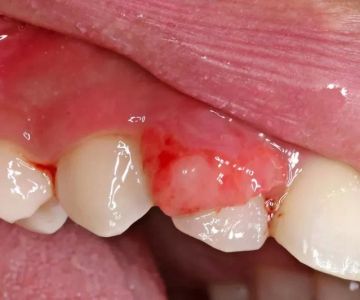
Not everyone who receives oral sex will contract an infection; several factors influence the likelihood of transmission. Presence of cuts, sores, or inflammation in the mouth or genital areas can increase vulnerability as they provide an entry point for pathogens. Poor oral hygiene, gum disease, and bleeding gums also elevate the risk.
The viral or bacterial load of the infected partner, the use of barrier protection methods such as condoms or dental dams, and the frequency of exposure all affect transmission probabilities. Individuals with weakened immune systems are more susceptible to contracting and experiencing complications from these infections.
3. Recognizing Symptoms of Oral Sex-Transmitted Infections
Detecting infections transmitted through oral sex can be challenging because many infections remain asymptomatic or have subtle symptoms. Oral herpes may cause painful blisters or sores in the mouth, while throat gonorrhea can lead to a sore throat, redness, and difficulty swallowing.
Genital symptoms such as unusual discharge, sores, or itching can indicate infections, but oral infections might be overlooked. Regular health check-ups and open communication with sexual partners are critical to identifying and treating infections early.
4. Prevention Strategies to Reduce Risk of Transmission
Preventing disease transmission during oral sex involves several practical strategies. Using barrier methods like condoms or flavored dental dams significantly reduces contact with bodily fluids and mucous membranes, lowering infection risk. Maintaining excellent oral hygiene and avoiding oral sex when experiencing mouth sores or dental issues also help protect against infections.
Open communication with partners about sexual health and STI testing history is essential. Limiting the number of sexual partners and seeking regular medical screenings contribute to early detection and prevention. Vaccines, such as the HPV vaccine, provide additional protection against certain strains linked to oral and genital cancers.
5. Treatment and Medical Care for Infections from Oral Sex
If an infection is suspected or diagnosed, prompt medical treatment is necessary. Many bacterial infections like gonorrhea and chlamydia respond well to antibiotics. Viral infections such as herpes can be managed with antiviral medications to reduce symptoms and transmission risk.
Regular dental visits are also important as dentists can spot signs of oral infections early. Partner notification and treatment are critical steps in preventing reinfection and controlling the spread of diseases.
6. The Importance of Awareness and Safe Practices
Awareness about the risks of disease transmission from receiving oral sex empowers individuals to make informed choices and protect their health. Despite some stigma or misconceptions, discussing sexual health openly and honestly promotes safer sexual behaviors and reduces the incidence of infections.
For those seeking personalized advice or treatment, Dentistry Toothtruth offers expert guidance and services tailored to oral health and sexually transmitted infection concerns. Prioritizing prevention and care ensures that intimate moments remain safe and enjoyable.




 All Family Dental and Braces4.0 (689 review)
 Promenade Dental Group and Orthodontics4.0 (347 review)
 Pediatric Dental Specialists of Montrose4.0 (169 review)
 Windmill Dental Care4.0 (9 review)
 Abundant Dental Care of Sandy4.0 (399 review)
 Ray Dental Group4.0 (338 review)
 The Importance of Oral Health Education During Pregnancy for a Healthy Pregnancy
 Best Tips for Brushing Your Teeth Properly for Healthy Gums: Essential Techniques for Oral Health
 Why Skipping Dental Checkups Can Lead to Bigger Oral Health Problems
 Advantages of Porcelain Dental Restorations
 How Can Diabetes Cause Tooth and Gum Problems? Preventing and Managing Oral Health Issues
 Healthy Habits for Promoting Good Oral Health and Hygiene: Tips for a Healthy Smile