
Can You Catch a Disease from Oral? What Science Reveals
1. Why Americans Are Asking This Important Question
Conversations about sexual health have grown more open across the United States, with people seeking honest answers about risks tied to intimacy. One of the most common questions is: can you catch a disease from oral activity? While many assume the risk is low, the reality is more complex. Oral contact can indeed transmit certain infections, including viruses and bacteria, especially if one partner already has an active infection. Awareness of this issue helps individuals make informed choices while also protecting their overall oral and physical health.
2. Understanding How Infections Spread Through Oral Activity
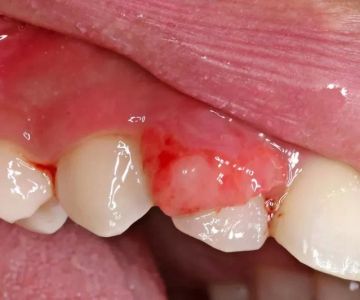
Oral transmission of disease happens when saliva, blood, or genital fluids come into contact with delicate tissues in the mouth or throat. Small cuts, sores, or inflamed gums create an easier entry point for bacteria or viruses. For example, someone with untreated gum disease is more vulnerable to infection because their gum tissue is already compromised. In this way, oral hygiene plays a critical role not only in preventing cavities and gum disease but also in reducing the risk of catching something more serious during intimate contact.
3. Common Diseases That Can Be Transmitted Orally
Several diseases have been scientifically documented as transmissible through oral contact:1. Herpes Simplex Virus (HSV-1 and HSV-2): Often spread through kissing or oral activity, these viruses cause cold sores and genital herpes.2. Human Papillomavirus (HPV): A leading cause of oral and throat cancers in the U.S., HPV is commonly spread through oral contact.3. Gonorrhea and Chlamydia: Though traditionally thought of as genital infections, both can infect the throat.4. Syphilis: Characterized by sores that may appear in the mouth or throat, syphilis can spread through oral activity.5. Hepatitis B: While less common, it can be transmitted if blood or infected fluids are exchanged.These examples show that oral activity is not risk-free and highlight the importance of awareness and prevention.
4. Real-Life Case Stories That Highlight the Risks
Consider the case of a 28-year-old man in California who was diagnosed with throat gonorrhea after reporting only engaging in oral contact with partners. His story reflects a growing trend noted by U.S. health clinics: patients who believed they were avoiding risk still contracted infections. Another case involved a college student who developed HPV-related throat cancer in his early 30s, despite being otherwise healthy. These real-world experiences demonstrate that infections linked to oral activity can have life-changing consequences if left unchecked.
5. How Oral Hygiene and Regular Checkups Make a Difference
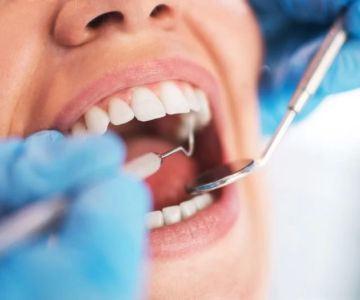
Maintaining strong oral hygiene is one of the best defenses against infection. Brushing twice daily, flossing, and attending dental checkups can keep gums healthy and reduce vulnerability to harmful bacteria. Regular dental visits also help detect early warning signs, such as lesions or unusual growths, that could indicate an infection. Many Americans underestimate the role of oral health in overall disease prevention. Clinics like Family Dentistry Online encourage patients to treat dental care as part of their broader preventive health plan, not just a cosmetic routine.
6. Prevention Strategies That Protect Your Health
Medical and dental experts recommend a layered approach to prevention:1. Use protection such as dental dams or condoms during oral activity to reduce exposure to fluids.2. Get vaccinated against HPV and Hepatitis B, both of which are preventable through immunization.3. Communicate openly with partners about health status and testing history.4. Avoid oral contact when you or your partner have visible sores, lesions, or signs of infection.5. Seek prompt treatment if you notice symptoms such as sore throats, ulcers, or unusual discomfort after oral contact.These steps are practical, effective, and empower individuals to stay safe without sacrificing intimacy.
7. The Psychological Impact of Oral Health and Disease Risk
Beyond physical risks, the fear of catching a disease from oral activity can affect emotional well-being and relationships. Some people may avoid intimacy entirely due to anxiety, while others may carry guilt or shame after being diagnosed with an infection. Addressing these issues requires compassion, education, and professional support. When individuals take proactive measures—such as regular testing, open communication, and maintaining oral health—they not only reduce risk but also build stronger confidence in their relationships and overall quality of life.
8. Why Knowledge and Professional Care Are Key
The question “can you catch a disease from oral?” has a clear answer: yes, it’s possible. But the good news is that prevention and professional guidance can significantly reduce the risks. Americans who stay informed, maintain healthy dental habits, and seek regular medical and dental care can enjoy safer, more confident experiences. Whether you are concerned about an existing issue or simply want to prevent future problems, trusted providers like Family Dentistry Online can offer both education and solutions tailored to your needs.

 Gentle Dentistry - Cottage Grove Office3.0 (106 review)
 Ingleside Dental SF4.0 (685 review)
 Green River Family Dentistry5.0 (63 review)
 Neighborhood Family Dentistry2.0 (16 review)
 Rockland Endodontics4.0 (42 review)
 Highland Dental Group and Orthodontics4.0 (283 review)
 The Importance of Oral Health Education During Pregnancy for a Healthy Pregnancy
 Best Tips for Brushing Your Teeth Properly for Healthy Gums: Essential Techniques for Oral Health
 Why Skipping Dental Checkups Can Lead to Bigger Oral Health Problems
 Advantages of Porcelain Dental Restorations
 How Can Diabetes Cause Tooth and Gum Problems? Preventing and Managing Oral Health Issues
 Healthy Habits for Promoting Good Oral Health and Hygiene: Tips for a Healthy Smile