
Can Teeth Whitening Cause Damage to Enamel?
- Understanding Tooth Enamel
- How Teeth Whitening Works
- Can Teeth Whitening Damage Enamel?
- Risks and Side Effects of Whitening Treatments
- Real-Life Experiences: Whitening Gone Wrong
- How to Protect Your Enamel While Whitening
- Safe Teeth Whitening Solutions
Understanding Tooth Enamel
To understand the potential effects of teeth whitening on your enamel, it’s essential to know what enamel is and how it functions. Enamel is the outermost layer of your teeth, composed of hard, mineralized tissue. Its primary role is to protect the sensitive inner layers of your teeth, such as the dentin and pulp, from damage and decay. Enamel is the hardest substance in the human body, but it is also susceptible to erosion over time due to factors like diet, aging, and dental treatments.
How Teeth Whitening Works
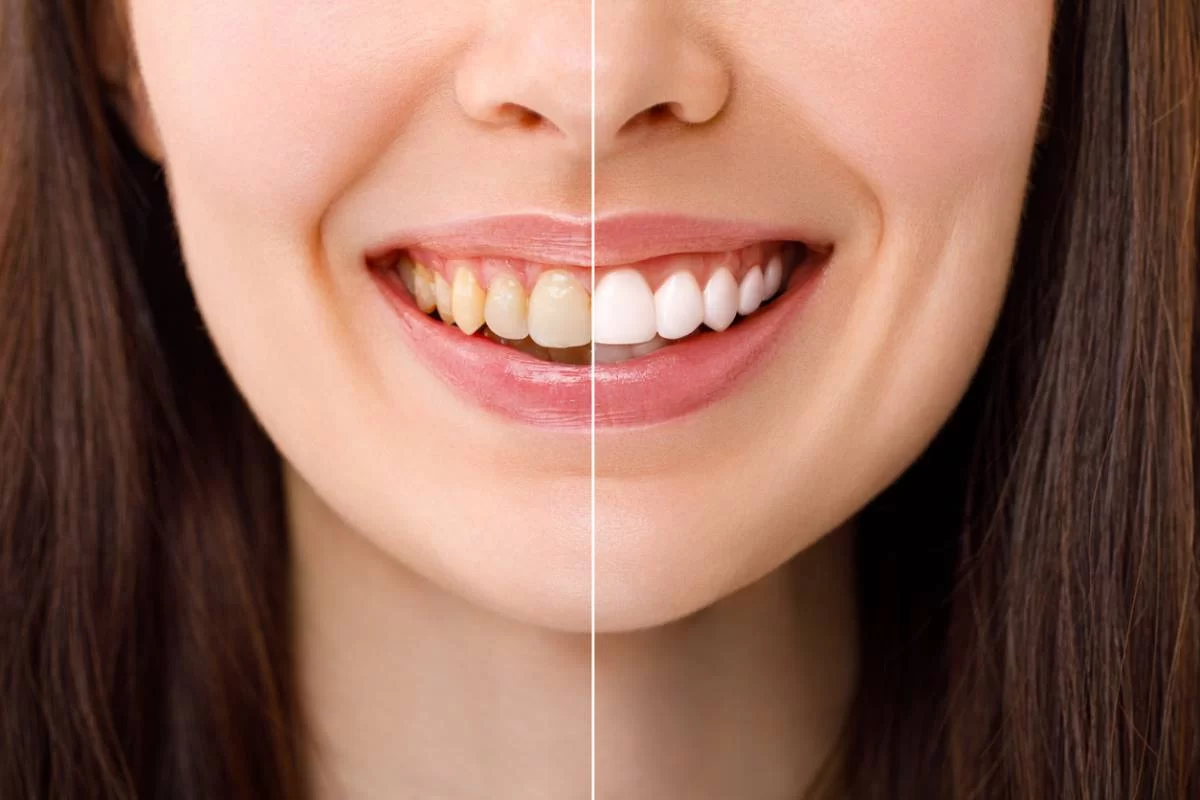
Teeth whitening is a popular cosmetic dental procedure aimed at improving the appearance of your teeth. Whitening treatments work by using chemicals, such as hydrogen peroxide or carbamide peroxide, which break down stains on the surface of the teeth and lighten the color of the enamel. There are two main types of whitening treatments: in-office professional whitening and at-home whitening kits. Both methods involve applying a bleaching agent to the teeth, but in-office treatments are typically stronger and faster.
Can Teeth Whitening Damage Enamel?
One of the most common concerns regarding teeth whitening is whether it can damage enamel. While whitening treatments are generally safe when used correctly, overuse or misuse can lead to enamel damage. Excessive whitening can cause enamel to become weaker, more porous, and prone to sensitivity. Additionally, harsh whitening products or improper application techniques may lead to enamel thinning or even cracking.
It’s important to remember that enamel doesn’t regenerate, so any damage caused by improper whitening techniques can be permanent. This is why it's crucial to follow the recommended guidelines and consult with a dental professional before using any whitening products. Excessive exposure to bleaching agents can strip away enamel’s protective layer, leaving your teeth more vulnerable to decay and staining in the long run.
Risks and Side Effects of Whitening Treatments
While teeth whitening can offer noticeable cosmetic benefits, it also comes with potential side effects. Some of the common risks associated with whitening treatments include:
- Tooth Sensitivity: After whitening, many individuals experience increased tooth sensitivity to hot, cold, or sweet foods and beverages. This occurs because the whitening agents temporarily open up the pores in the enamel, allowing stimuli to reach the underlying dentin.
- Gum Irritation: Whitening products that come in contact with the gums can cause irritation, redness, or discomfort. This is particularly common with at-home whitening trays that may not fit properly.
- Uneven Whitening: If teeth are not cleaned or treated evenly, some areas may become whiter than others, leading to an uneven smile.
To minimize these risks, it's essential to consult a dentist before undergoing any whitening treatment. A professional will ensure that your teeth and gums are healthy enough for whitening and will recommend the safest and most effective options for you.
Real-Life Experiences: Whitening Gone Wrong
Many people have experienced side effects or damage from improper teeth whitening treatments. Take Sarah, for instance, who used an over-the-counter whitening strip too frequently. Within weeks, she began to notice increased tooth sensitivity and discomfort. After visiting her dentist, it was revealed that the whitening strip had worn down her enamel, making her teeth more vulnerable to future staining and decay.
Another case is John, who tried to whiten his teeth at home using a DIY method with a high concentration of hydrogen peroxide. He ignored safety instructions, resulting in severe gum irritation and patches of enamel damage. His dentist recommended a professional whitening treatment to repair the damage and restore his smile.
These real-life examples highlight the importance of proper care and guidance when considering teeth whitening treatments. If you’re not sure whether whitening is suitable for you, it’s always best to consult with a dentist to avoid potential damage.
How to Protect Your Enamel While Whitening
To ensure that your enamel stays healthy while whitening, here are a few tips:
- Use Products as Directed: Always follow the manufacturer’s instructions when using whitening products. Avoid using whitening agents more frequently than recommended.
- Consult a Professional: Before starting any whitening treatment, it’s best to have a dental professional evaluate your teeth. A dentist can recommend the safest whitening option based on your specific needs.
- Limit Acidic Foods and Drinks: Acidic foods and drinks, such as citrus fruits, soda, and coffee, can weaken enamel. Avoid them right after whitening treatments to protect your enamel.
- Use Desensitizing Toothpaste: If you experience tooth sensitivity, use a toothpaste designed for sensitive teeth to help minimize discomfort.
Safe Teeth Whitening Solutions
If you want to whiten your teeth without risking enamel damage, consider professional treatments offered by your dentist. In-office whitening treatments use stronger agents under controlled conditions, reducing the likelihood of damage. Additionally, at-home treatments recommended by your dentist, such as custom whitening trays, are safer options that provide consistent results with minimal risk to enamel.
For a gentler approach, there are also natural whitening options available, such as using baking soda or activated charcoal, though these should be used cautiously and sparingly. Remember that consistency and patience are key when it comes to achieving a brighter smile without causing harm to your enamel.






 Absolute Dental - Lake Mead4.0 (332 review)
 Brookside Smiles Family and Cosmetic Dentistry5.0 (27 review)
 Society Hill Dental4.0 (145 review)
 Woodbury Dental Care4.0 (651 review)
 Valleywise Community Health Center - Mesa3.0 (252 review)
 Sunnymead Ranch Dental Center4.0 (465 review)
 The Importance of Oral Health Education During Pregnancy for a Healthy Pregnancy
 Best Tips for Brushing Your Teeth Properly for Healthy Gums: Essential Techniques for Oral Health
 Why Skipping Dental Checkups Can Lead to Bigger Oral Health Problems
 Advantages of Porcelain Dental Restorations
 How Can Diabetes Cause Tooth and Gum Problems? Preventing and Managing Oral Health Issues
 Healthy Habits for Promoting Good Oral Health and Hygiene: Tips for a Healthy Smile