
Can Smoking Affect Dental Implant Success? Understanding the Risks
- The Impact of Smoking on Oral Health
- How Smoking Affects Dental Implants
- Real-Life Examples of Smoking and Implant Failure
- The Science Behind Smoking and Implant Failure
- How to Increase Your Chances of Implant Success
- Ways to Quit Smoking for Better Oral Health
The Impact of Smoking on Oral Health
Smoking has long been known to affect oral health, but its effects on dental implants are particularly concerning. Smoking contributes to a wide range of dental issues, from gum disease to oral cancer. But when it comes to dental implants, the risks are even more significant. Smoking can hinder the body’s natural healing processes and interfere with the success of dental procedures, including implants.
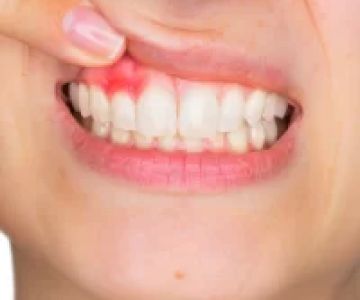
In fact, smokers are at a higher risk of developing complications post-surgery, such as infection, gum recession, and implant failure. This is because smoking reduces blood flow to the gums, impeding healing and making it more difficult for the body to integrate the implant into the jawbone.
How Smoking Affects Dental Implants
Dental implants are a popular solution for replacing missing teeth, but their success depends heavily on the quality of bone and gum tissue around them. Smoking impacts both of these crucial factors:
- Reduced Blood Flow: Nicotine and other chemicals in cigarettes cause blood vessels to constrict, reducing blood flow to the gums and jawbone. This lack of blood flow can impair healing and reduce the chances of the implant successfully fusing with the bone.
- Increased Risk of Infection: Smoking weakens the immune system, making it harder for your body to fight off infections. After a dental implant surgery, an infection can prevent the implant from properly integrating with the bone and potentially cause it to fail.
- Delayed Healing: Smoking reduces the body's ability to heal itself. After dental implant surgery, it is crucial that the body heals and adapts to the new implant. Smoking slows down this healing process, increasing the risk of complications.
- Gum Recession: Smokers are more likely to experience gum recession, which can expose the base of the implant. If the gums recede too much, the implant can become loose or infected.
Given these effects, it is clear that smoking can dramatically reduce the chances of a dental implant’s success. If you are considering dental implants and are a smoker, it’s essential to weigh the risks carefully before proceeding.
Real-Life Examples of Smoking and Implant Failure
There have been numerous real-life cases of smoking directly contributing to dental implant failure. For example, John, a 45-year-old man who had smoked for over 20 years, underwent dental implant surgery to replace missing teeth. Despite following all post-surgery instructions, his implants failed to fuse with the jawbone. After several attempts, his dentist concluded that his smoking habit was the primary factor preventing successful integration.
Similarly, Mary, a 55-year-old smoker, experienced severe gum recession after receiving dental implants. The implants initially seemed to heal well, but over time, her gums receded significantly, causing the implants to become unstable and eventually fall out. After consulting with her dentist, it became clear that her smoking habit was the underlying cause.
These cases highlight the critical connection between smoking and implant failure, reinforcing the importance of quitting smoking for the long-term success of dental implants.
The Science Behind Smoking and Implant Failure
The science behind smoking’s effect on dental implants can be explained by understanding the biological processes involved in healing and integration. When a dental implant is placed in the jawbone, the body must go through a process called osseointegration, where the bone fuses with the implant. This process requires a healthy flow of blood and oxygen to the area.
Nicotine in cigarettes causes vasoconstriction, which limits blood flow to the gums and bone. This makes it more difficult for the body to form the necessary connection between the implant and the jawbone. Additionally, smoking suppresses the immune system, meaning that even if an infection occurs, it may not be detected and treated as quickly as it should be.
Research has shown that smokers are significantly more likely to experience implant failure compared to non-smokers. In fact, studies indicate that smoking can increase the risk of implant failure by as much as 20%. This makes smoking one of the most important factors to consider when planning for dental implant surgery.
How to Increase Your Chances of Implant Success
If you are a smoker and need dental implants, there are steps you can take to improve your chances of success:
- Quit Smoking: The most important step is to quit smoking well before your implant surgery. It’s recommended that you stop smoking at least two weeks before the procedure to give your body the best chance to heal properly.
- Follow Aftercare Instructions: After surgery, it’s vital to follow all of your dentist’s instructions to promote healing. This may include avoiding certain foods, keeping the area clean, and attending follow-up appointments to monitor progress.
- Maintain Good Oral Hygiene: Keeping your mouth clean is essential for the long-term success of your implants. Regular brushing, flossing, and using mouthwash can help prevent infections that might compromise the implant.
- Regular Dental Checkups: Visit your dentist regularly for checkups and professional cleanings. This will help detect any issues early on and ensure that your implants are in good health.
By making these changes, you can significantly improve your chances of dental implant success and reduce the risks associated with smoking.
Ways to Quit Smoking for Better Oral Health
Quitting smoking is one of the best decisions you can make for your oral health. Here are a few tips to help you kick the habit:
- Seek Professional Help: A healthcare provider can provide support and resources to help you quit smoking, such as nicotine replacement therapy or counseling.
- Join a Support Group: Connecting with others who are trying to quit smoking can provide motivation and encouragement.
- Stay Active: Physical activity can help manage stress and cravings, making it easier to stay smoke-free.
- Reward Yourself: Celebrate your milestones as you quit smoking, whether it's one day, one week, or one month. This will help you stay motivated throughout the process.
Remember, quitting smoking is not only good for your dental implants but also for your overall health. By taking this important step, you’ll be setting yourself up for a lifetime of healthier teeth and gums.

 Downer Place Dental & Orthodontics4.0 (634 review)
 Brace Busters3.0 (2 review)
 Piedmont Periodontics4.0 (34 review)
 Oregon Endodontic Group5.0 (68 review)
 Oakwood Dental Arts4.0 (470 review)
 Longwood Dental Group4.0 (544 review)
 The Importance of Oral Health Education During Pregnancy for a Healthy Pregnancy
 Best Tips for Brushing Your Teeth Properly for Healthy Gums: Essential Techniques for Oral Health
 Why Skipping Dental Checkups Can Lead to Bigger Oral Health Problems
 Advantages of Porcelain Dental Restorations
 How Can Diabetes Cause Tooth and Gum Problems? Preventing and Managing Oral Health Issues
 Healthy Habits for Promoting Good Oral Health and Hygiene: Tips for a Healthy Smile