
Does Poor Oral Hygiene Cause Heart Disease?
1. The Unexpected Connection Between Your Mouth and Your Heart
Most people associate brushing and flossing with preventing cavities and freshening breath, but few realize that poor oral hygiene might have deeper implications—affecting not just your teeth, but your heart. Over the past decade, a growing body of research has found significant correlations between periodontal disease and cardiovascular conditions such as heart attacks, strokes, and clogged arteries.
One of the earliest wake-up calls came from a man named Tom, a 52-year-old construction worker from Chicago. Tom had never paid much attention to dental care. With a busy job and limited health insurance, brushing once a day and skipping dental checkups became routine. At 50, he suffered a minor heart attack. Doctors discovered extensive plaque buildup not only in his arteries but also severe gum inflammation—periodontitis. His cardiologist made an unusual referral: a dentist. What connected the dots? Inflammation.
2. The Science Behind It: Inflammation as a Common Denominator
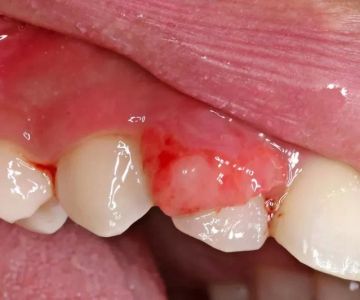
Gum disease begins when plaque—a sticky film of bacteria—accumulates along the gum line. This can lead to inflammation of the gums (gingivitis), and if left untreated, progress into periodontitis, a severe gum infection that can destroy the bone that supports your teeth. These bacteria and the inflammation they cause don’t stay confined to the mouth.
Once gum tissue becomes inflamed and ulcerated, bacteria can enter the bloodstream. Your immune system responds, triggering systemic inflammation. Chronic inflammation is a known contributor to atherosclerosis—a condition where plaque builds up inside arteries, restricting blood flow. This shared inflammatory pathway between periodontal disease and heart disease is what makes the mouth-heart link particularly concerning.
3. Key Studies Supporting the Link
Numerous studies have supported the oral-systemic connection:
- In a 2016 meta-analysis of over 1,000,000 participants, researchers found a statistically significant association between periodontal disease and increased risk of cardiovascular disease.
- The American Heart Association published findings noting that patients with periodontal disease are nearly twice as likely to suffer a heart attack.
- A 2020 study from the University of Helsinki found that oral bacteria were detected in 78% of the arterial plaque samples from heart disease patients.
While these studies do not prove causation, the evidence is compelling enough that the American Dental Association and cardiology groups recommend maintaining oral health as a preventive measure against heart complications.
4. Who Is at Risk and What Are the Warning Signs?
Anyone can develop gum disease, but certain populations are at increased risk. Smokers, diabetics, those with high stress levels, and individuals with poor nutrition are more susceptible. Warning signs of gum disease include:
- Red, swollen, or tender gums
- Bleeding while brushing or flossing
- Persistent bad breath
- Loose or shifting teeth
Notably, many people have gum disease without pain or obvious symptoms, making regular dental checkups crucial for early detection and prevention.
5. How Oral Hygiene Affects Your Cardiovascular System
Your mouth is the gateway to your body. A clean and healthy mouth can act as a barrier to systemic infection. Neglected oral hygiene can allow harmful bacteria to proliferate and gain access to the bloodstream, triggering widespread immune responses.
Cardiovascular diseases are complex and multifactorial, but oral bacteria such as *Porphyromonas gingivalis* and *Streptococcus sanguis* are frequently found in atherosclerotic plaques. These bacteria may play a role in plaque instability, increasing the risk of rupture and heart attacks.
6. Lifestyle, Oral Hygiene, and Heart Health: What You Can Do
Improving oral hygiene is one of the simplest steps you can take toward better heart health. Here are proven strategies:
- Brush twice daily with fluoride toothpaste and a soft-bristled brush.
- Floss once a day to remove plaque and food particles between teeth.
- Use an antibacterial mouthwash to reduce oral bacteria.
- Visit your dentist every six months for a cleaning and checkup.
- Quit smoking and manage underlying conditions like diabetes and hypertension.
Some cardiologists now collaborate with dentists when treating patients at high cardiovascular risk, especially those with unexplained inflammatory markers.
7. Real-Life Turnaround: Susan’s Story
Susan, a 60-year-old retired teacher from California, struggled with gum disease for years. She often skipped cleanings and had mild gingivitis that turned into periodontitis. After her brother died suddenly of a heart attack at 55, she underwent a full medical evaluation. Her doctor found arterial plaque but also elevated inflammatory markers. Her dentist recommended deep cleaning treatments and daily flossing. Over 18 months, her gum health dramatically improved, and her blood inflammation levels decreased.
While it's impossible to say oral care alone prevented further cardiovascular problems, her doctors believe the change in habits likely helped reduce her overall health risks.
8. Why This Matters More in the U.S. Today
In the United States, where heart disease remains the leading cause of death, recognizing the full spectrum of contributing factors is critical. Dental neglect is common—more than 1 in 3 Americans skip their yearly dental visits, and over 47% of adults aged 30 and older have some form of periodontal disease.
Raising awareness about the mouth-heart connection can lead to earlier intervention and better health outcomes. In underserved communities, improving access to dental care may be an effective strategy to combat not only tooth loss but also systemic diseases like heart attacks and strokes.
9. Start With the Basics: Your Daily Oral Routine Can Save More Than Your Smile
It’s easy to overlook brushing and flossing as mere cosmetic care. But maintaining a healthy mouth may be one of the most underappreciated ways to support your heart. Next time you consider skipping your brushing or canceling a dentist appointment, remember: your heart might thank you for taking care of your teeth.
For comprehensive dental advice and customized recommendations, we invite you to explore services at Dentistry Toothtruth, where science-backed care meets personalized treatment.


 Southeast Orthodontics4.0 (18 review)
 Sunrise Dental Group Dr Monica Giuliani4.0 (307 review)
 HealthPartners Dental Clinic Woodbury2.0 (24 review)
 Red Oak Dentistry: Dr. Michael King4.0 (74 review)
 Vistasol Dental4.0 (26 review)
 Bloch Michelle DDS0.0 (0 review)
 The Importance of Oral Health Education During Pregnancy for a Healthy Pregnancy
 Best Tips for Brushing Your Teeth Properly for Healthy Gums: Essential Techniques for Oral Health
 Why Skipping Dental Checkups Can Lead to Bigger Oral Health Problems
 Advantages of Porcelain Dental Restorations
 How Can Diabetes Cause Tooth and Gum Problems? Preventing and Managing Oral Health Issues
 Healthy Habits for Promoting Good Oral Health and Hygiene: Tips for a Healthy Smile