
Can Poor Oral Hygiene Lead to Cancer? The Connection Explained
Poor oral hygiene is often associated with cavities, gum disease, and bad breath. But research increasingly shows that its effects may extend far beyond the mouth. Scientists are uncovering connections between oral health and serious systemic diseases, including certain types of cancer. For many Americans, this discovery has shifted how they think about brushing, flossing, and seeing the dentist regularly. Maintaining a healthy smile may do more than protect teeth — it might save lives.
1. Understanding the Link Between Oral Hygiene and Cancer
When bacteria build up in the mouth due to poor oral care, they can cause chronic inflammation. Chronic inflammation is known to contribute to various cancers, including oral cancer, throat cancer, and even cancers affecting other parts of the body such as the pancreas. Studies suggest that people with gum disease (periodontitis) have a higher risk of developing cancers compared to those with healthier gums. This relationship highlights the importance of preventive care, which is often underestimated in daily routines.
2. Oral Bacteria and How They Affect the Body
The mouth is home to billions of bacteria. While many are harmless, poor hygiene allows harmful bacteria to thrive. These harmful bacteria can enter the bloodstream through inflamed gums, spreading to other organs. Some studies have linked these bacteria to an increased risk of colorectal and pancreatic cancer. The underlying mechanism involves toxins and inflammatory molecules produced by bacteria that may damage DNA or interfere with the immune system’s natural defense against cancer cells.
3. Real-Life Cases That Illustrate the Risk
In recent years, medical journals have documented cases where individuals with long-term periodontal disease developed related cancers. One study followed thousands of adults in the United States for over a decade, showing that those with gum disease were significantly more likely to die from cancer than those with good oral health. These stories highlight a silent but powerful link: neglecting oral care is not just about losing teeth, but potentially shortening life expectancy.
4. Oral Cancer: The Most Direct Threat
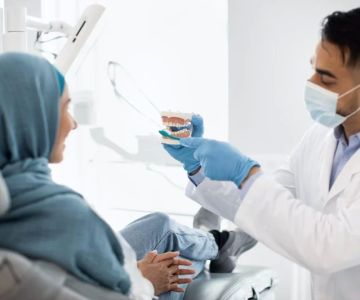
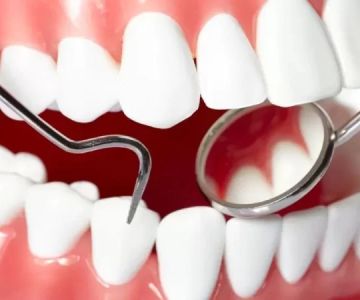
Among the many types of cancer linked to oral health, oral cancer itself is the most direct. Poor hygiene, combined with risk factors such as tobacco use and heavy alcohol consumption, increases the likelihood of developing cancer in the lips, tongue, and throat. Symptoms like persistent mouth sores, red or white patches, or unexplained bleeding can be warning signs. Early detection makes a significant difference in survival rates, making regular dental visits essential for prevention and screening.
5. The Role of Lifestyle and Prevention
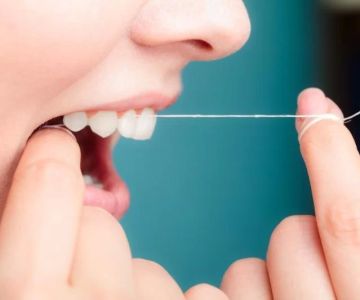
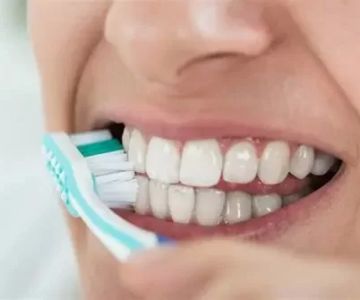
Maintaining good oral hygiene is one of the simplest yet most effective ways to reduce cancer risks. Brushing twice a day, flossing, and routine dental checkups help keep harmful bacteria under control. Diet also plays a role; foods high in sugar fuel bacterial growth, while a balanced diet rich in fruits and vegetables supports gum health. For those who smoke or drink heavily, quitting these habits drastically reduces both oral and systemic cancer risks. Prevention is not just about dental beauty — it’s about long-term health.
6. Expert Insights on Oral Hygiene and Cancer Risk
Experts in dentistry and oncology often emphasize the same message: the mouth is a gateway to the body. Dr. Robert Genco, a leading researcher in periodontology, once stated that gum disease is “not just an oral problem, but a systemic one.” Research continues to uncover how oral bacteria interact with other body systems. While not every case of poor oral hygiene leads to cancer, the evidence suggests a strong enough link that it cannot be ignored. For families seeking reliable care and guidance, Family Dentistry Online provides access to trusted services that prioritize both oral and overall health.
7. Taking Action: Protecting Your Health Through Oral Care
The idea that skipping flossing or ignoring bleeding gums could eventually contribute to cancer is a wake-up call for many. Simple, consistent oral care practices can dramatically reduce risks. Investing in professional dental cleanings, paying attention to early signs of gum disease, and adopting healthier lifestyle habits are powerful steps toward prevention. In a broader sense, oral hygiene is no longer just about a bright smile — it is an essential part of cancer prevention strategies in the modern world.


 Nano Dentistry4.0 (6 review)
 Susan J. Curley, DDS4.0 (282 review)
 Dental Group of Covina3.0 (865 review)
 Duvall Family Dental- Dr. Jessica Chen4.0 (431 review)
 Associated Dental Specialists of Long Grove4.0 (529 review)
 Nak4 Orthodontics Arlington Heights4.0 (253 review)
 The Importance of Oral Health Education During Pregnancy for a Healthy Pregnancy
 Best Tips for Brushing Your Teeth Properly for Healthy Gums: Essential Techniques for Oral Health
 Why Skipping Dental Checkups Can Lead to Bigger Oral Health Problems
 Advantages of Porcelain Dental Restorations
 How Can Diabetes Cause Tooth and Gum Problems? Preventing and Managing Oral Health Issues
 Healthy Habits for Promoting Good Oral Health and Hygiene: Tips for a Healthy Smile