
1. Understanding Mouth Ulcers and Their Causes
Mouth ulcers, also known as canker sores, are painful lesions that appear on the soft tissues inside the mouth. These ulcers can make eating, drinking, and speaking uncomfortable. While the exact cause of mouth ulcers is not always clear, several factors contribute to their development, including trauma, stress, nutritional deficiencies, infections, and notably, poor oral hygiene.
Scientific studies indicate that inadequate oral hygiene can lead to the accumulation of harmful bacteria, which irritate the mucous membranes and may trigger ulcer formation. When plaque and food debris remain on teeth and gums, they create an environment prone to inflammation and infection, increasing the likelihood of painful sores.
2. How Poor Oral Hygiene Contributes to Ulcer Formation
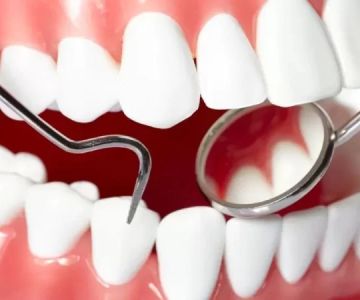
Poor oral hygiene practices such as irregular brushing, infrequent flossing, and neglecting dental check-ups allow plaque buildup. This bacterial accumulation not only causes gum disease but can also weaken the mouth’s natural defenses. The result is a compromised oral environment where ulcers can easily develop and persist.
For example, a patient in Chicago reported recurrent painful ulcers that resolved only after improving her brushing and flossing routine, emphasizing the direct connection between hygiene and ulcer control.
3. The Role of Gum Disease and Infections in Mouth Ulcers
Gum diseases such as gingivitis and periodontitis, often caused by poor oral hygiene, contribute to the inflammation of oral tissues. This chronic inflammation can lead to ulceration. Additionally, infections like oral thrush or herpes simplex virus exacerbate ulcer symptoms and complicate healing.
Maintaining good oral hygiene helps control these infections and reduces the risk of ulcers, highlighting the importance of preventive care.
4. Preventive Measures to Avoid Mouth Ulcers
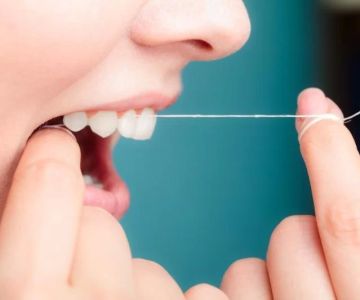
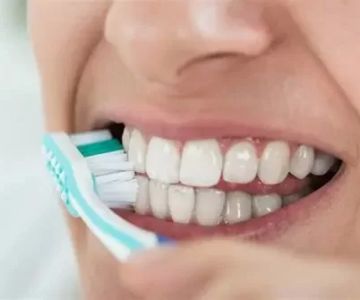
Prevention begins with establishing a consistent oral hygiene routine. Brushing twice daily with fluoride toothpaste, flossing to remove food particles between teeth, and regular dental visits are essential. Avoiding irritants such as tobacco, spicy foods, and harsh oral care products also helps minimize ulcer risk.
Incorporating a balanced diet rich in vitamins and minerals supports overall oral health and tissue repair, further preventing ulcers.
5. Treatment Options for Mouth Ulcers Related to Poor Hygiene
If ulcers do occur, effective treatment involves addressing both the symptoms and underlying causes. Over-the-counter topical gels can reduce pain and inflammation, while antiseptic mouthwashes aid in controlling bacterial load. In persistent cases, professional dental intervention may be necessary to treat gum disease or infections contributing to ulcer formation.
Improving oral hygiene is a crucial step in both treatment and prevention, ensuring ulcers heal faster and are less likely to return.
6. Real-Life Stories: Overcoming Ulcers Through Better Oral Care
One patient from New York struggled for years with painful mouth ulcers that affected her daily life. After consulting with her dentist and adopting a strict oral hygiene routine—including daily brushing, flossing, and routine cleanings—her ulcers significantly decreased in frequency and severity.
This personal story highlights how empowering patients with the knowledge and tools for proper oral care can transform their oral health and quality of life.
7. The Importance of Professional Guidance and Resources
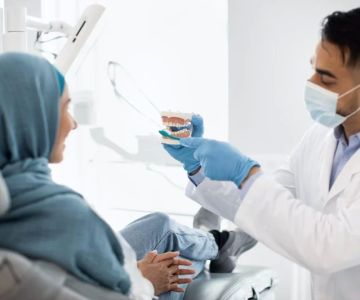
Educating patients on the connection between oral hygiene and ulcers is vital. Professional guidance ensures tailored care plans addressing individual risk factors. Resources such as Dentistry Toothtruth provide comprehensive advice, treatment options, and product recommendations to support optimal oral health.
Seeking expert help can make the difference between recurrent discomfort and a healthy, ulcer-free mouth.


 JW Dentistry (formerly Dr. Wayne Wong, DDS)5.0 (62 review)
 Charm Dental Group3.0 (14 review)
 OC Centers for Oral Surgery & Dental Implants - San Clemente5.0 (199 review)
 Bergen-Rockland Dental Associates, LLC4.0 (59 review)
 Dr. David Miller DDS5.0 (1 review)
 Chestnut Hill Smiles4.0 (330 review)
 The Importance of Oral Health Education During Pregnancy for a Healthy Pregnancy
 Best Tips for Brushing Your Teeth Properly for Healthy Gums: Essential Techniques for Oral Health
 Why Skipping Dental Checkups Can Lead to Bigger Oral Health Problems
 Advantages of Porcelain Dental Restorations
 How Can Diabetes Cause Tooth and Gum Problems? Preventing and Managing Oral Health Issues
 Healthy Habits for Promoting Good Oral Health and Hygiene: Tips for a Healthy Smile