
Can Poor Oral Hygiene Cause Dry Mouth?
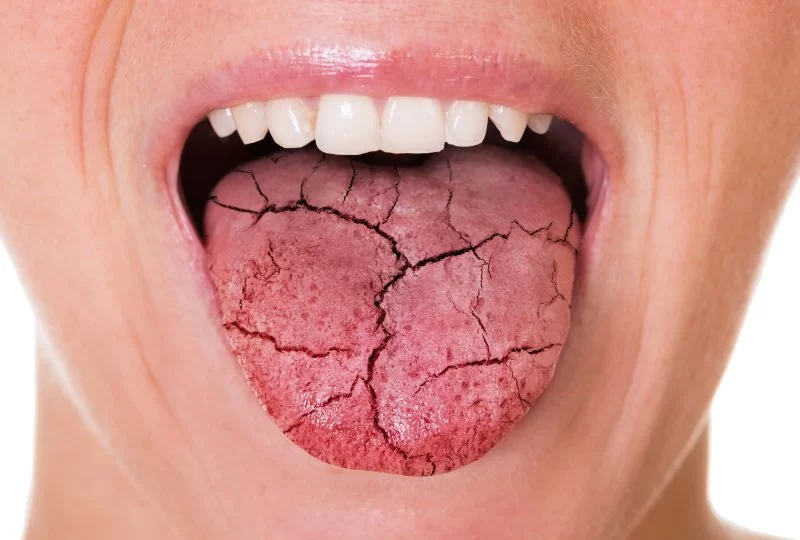
Dry mouth, or xerostomia, is a condition where the mouth does not produce enough saliva to keep it moist. Many people wonder: can poor oral hygiene cause dry mouth? While oral hygiene itself is not usually the direct cause, neglecting your dental care routine can worsen existing dry mouth symptoms and contribute to other conditions that may lead to decreased saliva flow. In fact, poor oral hygiene often sets off a chain reaction—bacteria buildup, gum disease, and infections—all of which can interfere with saliva production and comfort.
Understanding the Role of Saliva
Saliva does more than just keep your mouth moist. It plays an important role in breaking down food, washing away food particles, neutralizing acids, and protecting against bacteria. When saliva production drops, the mouth becomes a breeding ground for bacteria, making oral hygiene even more critical. Poor habits such as infrequent brushing, skipping flossing, or avoiding dental checkups can create an environment where dry mouth symptoms become worse and lead to complications like tooth decay or gum infections.
How Poor Oral Hygiene Can Worsen Dry Mouth
Although poor oral hygiene is not the root cause of dry mouth, it makes the condition significantly harder to manage. For example, if plaque is left on teeth and gums, it can lead to gingivitis or periodontal disease. These conditions often damage oral tissues and can worsen dryness by irritating the glands responsible for producing saliva. Furthermore, patients with untreated cavities may experience pain that discourages chewing, which normally stimulates saliva production. Over time, this cycle reinforces the sensation of persistent dryness and discomfort.
Other Causes of Dry Mouth
Beyond oral hygiene, dry mouth has several common causes in the United States. Medications such as antihistamines, antidepressants, and blood pressure drugs are well-known contributors. Chronic conditions like diabetes, Sjögren’s syndrome, and certain cancer treatments (like radiation therapy) also reduce saliva flow. Lifestyle factors, including smoking, alcohol consumption, and dehydration, further increase the likelihood of developing xerostomia. Recognizing whether poor oral hygiene is the main factor or just part of the problem helps patients take better steps to address the condition.
The Impact of Dry Mouth on Daily Life
People suffering from dry mouth often report difficulties eating, speaking, and even sleeping. Imagine sitting down for a family meal and struggling to swallow simple foods because there is not enough saliva to help. Or consider someone who wakes up multiple times during the night, mouth parched, unable to sleep peacefully. These real-life experiences highlight why understanding the link between oral hygiene and dry mouth is not just a medical concern—it’s a quality-of-life issue that affects daily comfort and social interactions.
Practical Steps to Improve Oral Hygiene and Reduce Dry Mouth
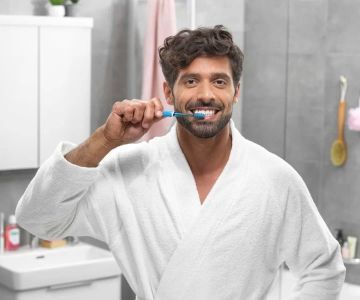
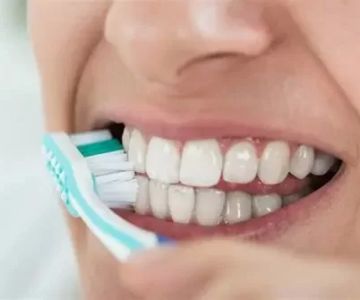
Managing dry mouth starts with consistent oral hygiene. Brushing at least twice a day with fluoride toothpaste, flossing daily, and using an alcohol-free mouth rinse can reduce bacterial buildup that worsens dryness. Staying hydrated throughout the day and chewing sugar-free gum can also stimulate saliva production. Many dentists recommend avoiding tobacco and limiting alcohol intake, as both can make dry mouth worse. For individuals dealing with chronic xerostomia, professional dental care is crucial. At Family Dentistry Online, you can find tailored advice and treatments to help manage dry mouth effectively while protecting long-term oral health.
When to Seek Professional Help
If dry mouth persists for weeks or months despite good oral hygiene, it is important to consult a dentist. Persistent xerostomia can lead to tooth decay, fungal infections, and gum disease if left untreated. In some cases, it may signal an underlying health condition that requires medical evaluation. Professional dental teams not only diagnose the source of dry mouth but also recommend specialized treatments such as saliva substitutes, prescription mouth rinses, or adjustments to medications that may be contributing to the problem.

 Miracle Mile Comprehensive Dental Center4.0 (82 review)
 Midland Park Family Dentistry5.0 (447 review)
 Absolute Dental - Lake Mead4.0 (332 review)
 Brandon L. Cairo, DMD, PC5.0 (103 review)
 Desire Dental Care4.0 (257 review)
 Metro Smiles Gage Park2.0 (36 review)
 The Importance of Oral Health Education During Pregnancy for a Healthy Pregnancy
 Best Tips for Brushing Your Teeth Properly for Healthy Gums: Essential Techniques for Oral Health
 Why Skipping Dental Checkups Can Lead to Bigger Oral Health Problems
 Advantages of Porcelain Dental Restorations
 How Can Diabetes Cause Tooth and Gum Problems? Preventing and Managing Oral Health Issues
 Healthy Habits for Promoting Good Oral Health and Hygiene: Tips for a Healthy Smile