
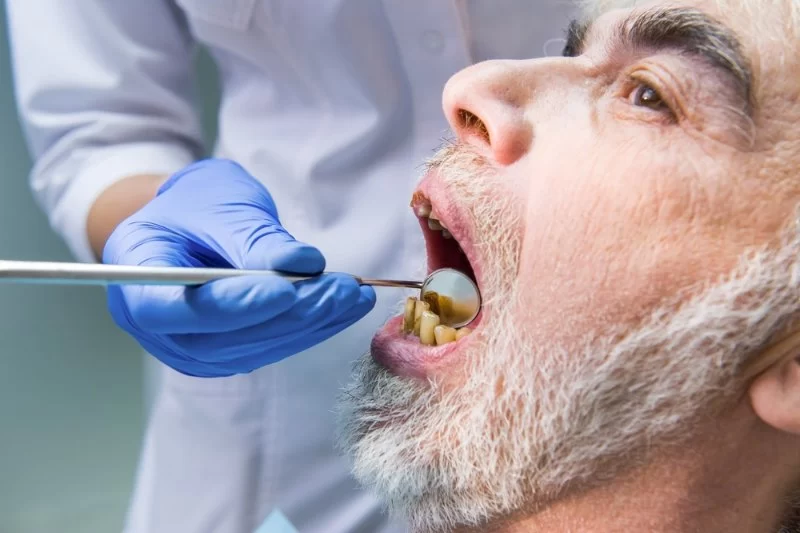
How Poor Oral Hygiene Can Influence Cancer Risk
Oral hygiene is more than just keeping your smile bright; it plays a significant role in your overall health. Emerging research highlights a worrying link between poor oral hygiene and an increased risk of certain cancers, particularly oral and throat cancers. Understanding this connection can empower you to take better care of your mouth and reduce long-term health risks.
1. The Biological Link Between Oral Hygiene and Cancer
Poor oral hygiene can lead to chronic inflammation and infections such as periodontitis and gingivitis. These conditions cause harmful bacteria to thrive in the mouth, releasing toxins that damage tissues and trigger an immune response. Over time, this persistent inflammation can contribute to cellular changes and mutations, which are precursors to cancer development.
Specifically, the bacteria involved in gum disease produce carcinogenic substances and promote an environment where cancerous cells can develop. Additionally, these bacteria can enter the bloodstream, affecting other parts of the body and potentially increasing risks for cancers beyond the oral cavity.
2. Common Types of Cancer Associated with Poor Oral Health
While poor oral hygiene primarily raises concerns about oral cancers—affecting lips, tongue, cheeks, and throat—it may also be linked indirectly to pancreatic and esophageal cancers. Oral squamous cell carcinoma is the most common type of oral cancer, and studies have found a higher incidence among individuals with untreated periodontal disease.
Risk factors like smoking, alcohol use, and HPV infections compound these dangers, but poor oral hygiene independently increases susceptibility by compromising the mouth’s natural defenses.
3. Real-Life Stories Highlighting the Risks
Consider the story of Mark, a 52-year-old man from Ohio, who ignored routine dental checkups and struggled with bleeding gums for years. Eventually, Mark was diagnosed with early-stage oral cancer during a dental screening. His dentist noted that chronic gum inflammation had likely contributed to the disease progression. With prompt treatment and improved oral care, Mark is now cancer-free but advocates strongly for regular dental hygiene and checkups.
This example underscores the importance of early detection and good oral hygiene practices in preventing serious health issues.
Practical Steps to Maintain Oral Health and Reduce Cancer Risk
1. Establish a Consistent Oral Hygiene Routine
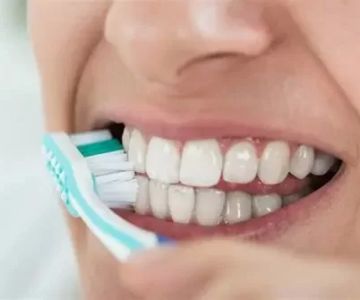
Brush your teeth at least twice daily with fluoride toothpaste and floss once a day to remove plaque and food particles from between teeth. Regular brushing reduces bacterial buildup that could lead to inflammation and infection.
2. Schedule Regular Dental Visits
Routine dental exams and professional cleanings help catch early signs of gum disease and oral cancer. Dentists can identify abnormal lesions or persistent inflammation that might otherwise go unnoticed.
3. Avoid Tobacco and Limit Alcohol Consumption
Both smoking and heavy drinking increase the risk of oral cancers. Combined with poor oral hygiene, these habits significantly raise cancer risk. Quitting tobacco and moderating alcohol intake dramatically improve oral and overall health.
4. Maintain a Healthy Diet and Hydration
Diets rich in fruits and vegetables provide antioxidants that help combat cellular damage. Staying hydrated supports saliva production, which naturally protects against bacterial overgrowth in the mouth.
The Role of Professional Care and Awareness
Healthcare providers emphasize that maintaining good oral hygiene is an essential component of cancer prevention strategies. Awareness campaigns encourage the public to recognize early symptoms like persistent mouth sores, unusual lumps, or difficulty swallowing, which warrant prompt medical evaluation.
Innovations in dental technology and screening methods also improve early diagnosis, increasing the chances of successful treatment and recovery.
How Dentistry Toothtruth Supports Your Oral Health Journey
For those seeking guidance on maintaining optimal oral hygiene or concerned about cancer risks, Dentistry Toothtruth offers trusted services and expert advice. Their resources include personalized oral care plans, screenings for oral cancer, and educational materials to help you understand the critical link between oral health and cancer prevention.
Taking proactive steps today can safeguard your smile and your health for years to come.


 Topline Family Dental4.0 (259 review)
 Nak4 Orthodontics Arlington Heights4.0 (253 review)
 aspen dental, Kevin D. Oh, LLC2.0 (8 review)
 Frank A. Zorrilla DDS, LTD.4.0 (378 review)
 Rhode Island Orthodontic Group4.0 (9 review)
 Aspen Dental - Nashua, NH4.0 (480 review)
 The Importance of Oral Health Education During Pregnancy for a Healthy Pregnancy
 Best Tips for Brushing Your Teeth Properly for Healthy Gums: Essential Techniques for Oral Health
 Why Skipping Dental Checkups Can Lead to Bigger Oral Health Problems
 Advantages of Porcelain Dental Restorations
 How Can Diabetes Cause Tooth and Gum Problems? Preventing and Managing Oral Health Issues
 Healthy Habits for Promoting Good Oral Health and Hygiene: Tips for a Healthy Smile