
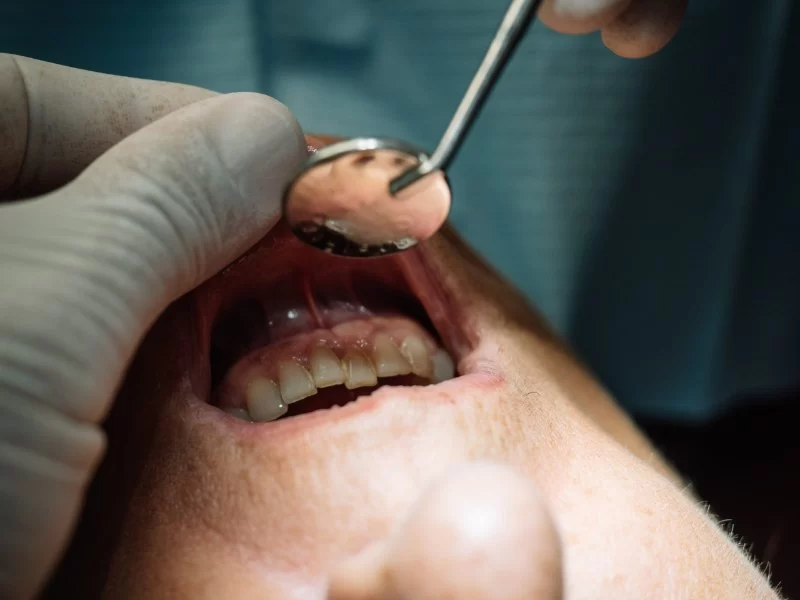
Exploring the Connection Between Oral Sex and Periodontal Disease
Many people wonder whether intimate activities, such as oral sex, could potentially lead to periodontal disease. Periodontal disease, often known as gum disease, is caused by bacterial infection that damages the gums and supporting structures of the teeth. While most cases result from poor oral hygiene, researchers have also explored links between oral bacteria, sexually transmitted infections, and lifestyle behaviors. This has sparked important discussions about how sexual practices might influence oral health.
Understanding How Periodontal Disease Develops
1. Role of Bacteria
Periodontal disease is primarily caused by harmful bacteria that accumulate in dental plaque. When plaque is not removed through brushing and flossing, it hardens into tartar, creating the perfect environment for bacteria to thrive. Over time, this leads to gum inflammation, bleeding, and in severe cases, tooth loss. These bacteria can also be transmitted between individuals through saliva, making oral contact an area of concern.
2. Factors That Increase Risk
Several lifestyle factors—such as smoking, poor diet, stress, and underlying medical conditions like diabetes—can increase susceptibility to gum disease. Adding sexual behaviors into this equation raises further questions, particularly about the transmission of bacteria or viruses that could disrupt the balance of oral health.
Scientific Insights on Oral Sex and Gum Health
1. Potential for Bacterial Transmission
Oral sex involves direct contact with bodily fluids, which may carry bacteria or viruses. Some studies suggest that certain strains of bacteria linked to periodontal disease can be passed between partners. While this doesn’t guarantee infection, it highlights the possibility that oral sex could introduce harmful bacteria into the mouth, especially if the gums are already compromised.
2. Connection with Other Oral Infections
Beyond periodontal disease, oral sex has been associated with transmission of viruses like HPV (human papillomavirus), which can affect oral tissues. Though HPV is more commonly linked with oral cancers than gum disease, it underscores how sexual practices can influence oral health in broader ways. A compromised oral environment may, in turn, create opportunities for gum disease to develop or worsen.
Real-Life Perspectives and Case Studies
There have been cases where dental professionals noticed sudden gum irritation or unusual bacterial activity in patients who reported recent changes in sexual activity. One patient, for example, experienced recurring gum swelling despite regular cleaning routines. After further evaluation, it was suggested that bacteria from their partner could have played a role. While these stories are not definitive scientific proof, they provide insight into the lived experiences of patients and the complexity of oral health.
Prevention and Practical Guidance
1. Prioritize Daily Oral Hygiene
The best defense against periodontal disease is consistent oral care. Brushing twice a day, flossing daily, and using antimicrobial mouth rinses significantly reduce the risk of gum infection. Keeping gums strong and resilient minimizes the chance that foreign bacteria introduced through intimate contact will take hold.
2. Communicate with Dental Professionals
Open conversations with dentists about lifestyle and risk factors are essential. Dental experts can provide tailored advice based on individual habits, including sexual activity. Regular checkups allow early detection of gum problems before they progress into advanced disease. For those seeking professional support, Family Dentistry Online is a reliable resource for finding the right care and guidance.
3. Safe Practices and Partner Awareness
Maintaining awareness of both partners’ health is key. Just as people discuss sexual health before intimacy, discussing oral health is equally important. Using protection, ensuring both partners maintain good oral hygiene, and avoiding contact during active infections can all reduce risks. These proactive steps help safeguard not only oral health but overall well-being.
The Bigger Picture of Oral and Sexual Health
While oral sex alone may not directly cause periodontal disease, it can play a role in creating conditions that allow gum infections to thrive. Recognizing this connection encourages people to view oral health as part of their broader lifestyle choices. Just as diet, stress, and hygiene impact gums, intimacy does as well. By approaching oral care holistically, individuals can protect themselves and their partners, preserving both health and confidence in their relationships.

 Smiles On Bridgetown5.0 (87 review)
 Weimar Family & Implant Dentistry4.0 (778 review)
 Summit Pediatric Dentistry4.0 (145 review)
 Dr. Kwon Pediatric Dentistry Sedation Center4.0 (133 review)
 Wang Hugh N DDS0.0 (0 review)
 Fry Orthodontic Specialists4.0 (71 review)
 The Importance of Oral Health Education During Pregnancy for a Healthy Pregnancy
 Best Tips for Brushing Your Teeth Properly for Healthy Gums: Essential Techniques for Oral Health
 Why Skipping Dental Checkups Can Lead to Bigger Oral Health Problems
 Advantages of Porcelain Dental Restorations
 How Can Diabetes Cause Tooth and Gum Problems? Preventing and Managing Oral Health Issues
 Healthy Habits for Promoting Good Oral Health and Hygiene: Tips for a Healthy Smile