
1. The Connection Between Oral Sex and Oral Health
Oral sex is a common part of many intimate relationships, but its impact on oral health is often overlooked. While most people are aware of the potential risks of sexually transmitted infections (STIs), many are unaware that oral sex can also have an effect on gum health, potentially contributing to periodontal disease. This article explores the link between oral sex and periodontal disease, helping readers understand the risks and how to protect their oral health.Periodontal disease, commonly known as gum disease, is an infection that affects the tissues surrounding the teeth. It is caused by the buildup of plaque and bacteria in the mouth, leading to inflammation and potential tooth loss. But can oral sex introduce new bacteria that increase the risk of developing periodontal disease? Let's delve into the science behind oral hygiene, bacteria, and the potential effects of oral sex on oral health.2. How Periodontal Disease Develops
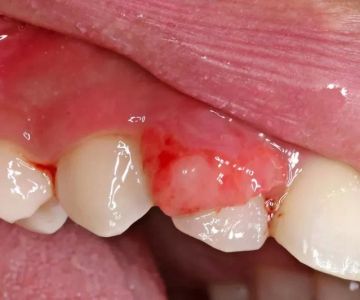
Before examining the impact of oral sex on periodontal disease, it’s important to understand how gum disease develops. Periodontal disease is primarily caused by bacteria that accumulate on the teeth and gums. Plaque, a sticky film of bacteria, forms on the teeth and gums after eating or drinking. If plaque is not removed by regular brushing and flossing, it can harden into tartar, which can lead to gum inflammation (gingivitis). If left untreated, gingivitis can progress to periodontitis, a more severe form of gum disease that can result in tooth loss.While plaque buildup is the main cause of periodontal disease, various factors can increase the risk of developing gum disease, including poor oral hygiene, smoking, diabetes, and certain medications. But what role does oral sex play in the development of periodontal disease? Let’s explore how bacteria from oral sex can potentially affect the gums and increase the risk of gum disease.3. Bacteria and the Role of Oral Sex
When it comes to oral sex, one of the primary concerns for oral health is the introduction of new bacteria into the mouth. The mouth is home to a diverse ecosystem of bacteria, both beneficial and harmful. These bacteria can be transmitted between partners during oral sex, potentially affecting the oral environment.3.1 The Transfer of Bacteria
Oral sex can introduce bacteria from the genital area into the mouth. These bacteria, which may be harmless in one area of the body, can potentially disrupt the balance of bacteria in the mouth. The introduction of harmful bacteria into the oral cavity can lead to infection and inflammation of the gums, potentially increasing the risk of periodontal disease.In addition to bacteria, oral sex can also transmit viruses, such as the human papillomavirus (HPV), which has been linked to oral cancer. While the transmission of HPV does not directly cause periodontal disease, it highlights the potential risks to oral health that come with engaging in oral sex without proper protection and oral hygiene practices.3.2 Impact of Oral Bacteria on Gum Health
When oral bacteria are introduced from a partner during oral sex, the bacteria can attach to the teeth and gums, contributing to plaque buildup. This increases the risk of gingivitis and periodontitis, especially if oral hygiene practices are not properly maintained. For individuals who are already prone to gum disease due to other factors (such as smoking or diabetes), oral sex can exacerbate the risk of developing more severe gum problems.4. Can Oral Sex Lead to Other Oral Health Issues?
In addition to contributing to periodontal disease, oral sex can also lead to other oral health issues. These include:4.1 Increased Risk of Tooth Decay
Tooth decay is caused by the acids produced by bacteria in the mouth, particularly after eating sugary or carbohydrate-rich foods. If harmful bacteria are introduced into the mouth through oral sex, they can contribute to the decay of tooth enamel, potentially leading to cavities. Proper oral hygiene practices, including brushing and flossing, are essential to preventing tooth decay, especially if you engage in oral sex frequently.4.2 Oral Infections
Oral infections, such as cold sores or herpes simplex virus (HSV) outbreaks, can be transmitted during oral sex. While these infections may not directly lead to periodontal disease, they can cause discomfort, sores, and swelling in the mouth. These infections can also make the gums more vulnerable to inflammation and infection, further increasing the risk of periodontal disease.5. How to Protect Your Oral Health During Oral Sex
Maintaining good oral hygiene is the best way to reduce the risk of developing periodontal disease and other oral health issues related to oral sex. Here are some essential tips for protecting your oral health:5.1 Brush and Floss Regularly
Brushing your teeth twice a day and flossing once a day are essential practices for maintaining good oral hygiene. Regular brushing helps remove plaque from the surface of the teeth, while flossing removes debris and bacteria from between the teeth and along the gumline. These habits can help prevent the buildup of harmful bacteria and reduce the risk of gum disease.5.2 Use Mouthwash
Using an antibacterial mouthwash can help kill harmful bacteria in the mouth and reduce the risk of gum disease. Look for mouthwashes that target plaque and gingivitis to protect your gums and teeth. Mouthwash can also help freshen your breath after oral sex, reducing the presence of bacteria.5.3 Consider Dental Protection During Oral Sex
While practicing good oral hygiene is crucial, using dental protection during oral sex can further reduce the risk of transmitting bacteria and viruses between partners. Dental dams (thin latex or polyurethane sheets) can be used during oral-vaginal or oral-anal sex to create a barrier and minimize contact with genital fluids. While this may not entirely eliminate the risk of bacterial transmission, it can help reduce exposure to harmful microorganisms.5.4 Regular Dental Checkups
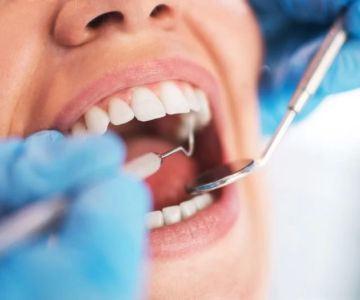
Routine dental visits are essential for maintaining oral health, especially for individuals who may be at higher risk for periodontal disease. Your dentist can monitor your gum health, identify early signs of gum disease, and provide professional cleanings to remove tartar buildup. Regular dental checkups are an important part of preventing gum disease and addressing any issues before they become more severe.6. Real-Life Story: The Impact of Oral Hygiene on Gum Health
Consider the case of Maria, a 30-year-old woman who had always been diligent about maintaining good oral hygiene. She brushed and flossed regularly and used mouthwash daily. However, she had noticed that her gums were becoming inflamed and red, and she was experiencing occasional bleeding after brushing.After visiting her dentist, Maria discovered that her periodontal health was deteriorating, despite her good oral hygiene habits. Upon further questioning, it was revealed that she had recently been engaging in regular oral sex with her partner, and the introduction of bacteria from her partner’s genital area may have contributed to the gum issues. Her dentist recommended additional steps for improving her oral care, such as using a stronger antibacterial mouthwash and being mindful of the bacteria introduced during oral sex.With this new knowledge, Maria made adjustments to her oral hygiene routine and was able to improve her gum health over time. This story illustrates how even individuals with good oral hygiene can be at risk for gum problems if they do not consider the impact of oral sex on their oral health.For more information on how to maintain optimal oral health, visit Family Dentistry Online for expert advice and professional care.

 The Implant Center at Comprehensive Dental4.0 (421 review)
 Modern Dentistry Of Peoria4.0 (563 review)
 Advanced Family Dental & Orthodontics4.0 (216 review)
 Todays Dental Of Joliet (formerly Hammes Family Dental)4.0 (130 review)
 Kevin B. Sands, DDS5.0 (168 review)
 Kids Dental Land4.0 (602 review)
 The Importance of Oral Health Education During Pregnancy for a Healthy Pregnancy
 Best Tips for Brushing Your Teeth Properly for Healthy Gums: Essential Techniques for Oral Health
 Why Skipping Dental Checkups Can Lead to Bigger Oral Health Problems
 Advantages of Porcelain Dental Restorations
 How Can Diabetes Cause Tooth and Gum Problems? Preventing and Managing Oral Health Issues
 Healthy Habits for Promoting Good Oral Health and Hygiene: Tips for a Healthy Smile