
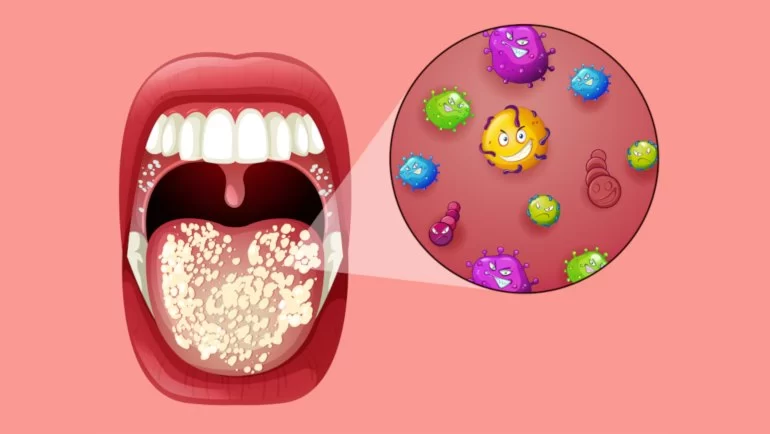
1. What Is Gum Disease and Why It Matters
Gum disease, also known as periodontal disease, is a chronic inflammatory condition that affects the soft tissue and bone supporting the teeth. It begins with gingivitis—swollen, bleeding gums—and can progress to periodontitis, where gum recession and tooth loss become real threats. In the U.S., nearly half of adults over 30 show some signs of gum disease. That staggering number has driven interest in natural, non-invasive solutions like oral probiotics.
The traditional approach to gum disease includes deep cleanings (scaling and root planing), antibacterial rinses, and in some cases, surgery. But can oral probiotics—friendly bacteria consumed in tablet, lozenge, or yogurt form—offer an alternative or complementary method of managing gum disease? Researchers are starting to say yes, but with some important caveats.
2. The Science Behind Oral Probiotics
2.1 Understanding the Oral Microbiome
Just like your gut, your mouth hosts a diverse community of bacteria. Some bacteria protect your oral health, while others contribute to plaque buildup and inflammation. When this microbial balance tips toward harmful species—like *Porphyromonas gingivalis* or *Treponema denticola*—gum disease thrives.
Oral probiotics, including strains such as *Lactobacillus reuteri*, *Streptococcus salivarius*, and *Lactobacillus paracasei*, are designed to restore microbial balance. By crowding out harmful bacteria and supporting the immune response, these probiotics can potentially reduce inflammation and support healthier gums.
2.2 Clinical Studies and Emerging Evidence
In recent years, clinical studies have demonstrated promising results. A 2020 randomized trial published in the *Journal of Clinical Periodontology* showed that patients using *Lactobacillus reuteri* supplements experienced significant reductions in gum inflammation and pocket depth compared to placebo groups.
Another study conducted in Italy followed 60 patients with chronic periodontitis. After using a lozenge containing *Streptococcus salivarius M18* daily for three months, participants showed a decrease in bleeding on probing and a lower count of harmful bacteria. These findings suggest that oral probiotics, when used alongside professional cleanings, can enhance gum health.
3. Real-Life Stories: When Probiotics Make a Difference
Emily, a 42-year-old teacher from Seattle, struggled with recurring gum infections despite regular dental visits. Frustrated with antibiotics and mouthwashes that offered only temporary relief, she turned to oral probiotics based on her hygienist’s suggestion. “I used a chewable probiotic every night for three months,” she recalls. “By my next appointment, the bleeding had stopped. Even my dentist was surprised.”
Then there's Kevin, a dental hygienist in New Jersey, who began recommending *L. reuteri* to patients recovering from deep cleanings. “One of my patients, who always had pocket depths around 6mm, saw them reduce to 3mm within a few months,” he says. “It’s not magic—but it’s a powerful tool when combined with brushing, flossing, and cleanings.”
4. Limitations and What Oral Probiotics Can't Do Alone
4.1 Not a Substitute for Professional Care
While oral probiotics offer benefits, they are not a standalone cure for advanced gum disease. Professional dental care remains the gold standard for diagnosing and treating periodontitis. Deep plaque and tartar cannot be removed by probiotics alone—they require clinical intervention.
Think of probiotics as a supportive therapy: they can reduce inflammation, improve recovery after treatment, and help maintain results—but they won’t reverse bone loss or replace scaling procedures.
4.2 Individual Results May Vary
Another challenge is variability. Not everyone responds the same way to probiotics. Genetics, existing microbiota, and lifestyle factors (like smoking or diabetes) play a role in treatment outcomes. Some people experience rapid improvement; others may see little change. Consistency and correct strain selection are key.
5. Choosing the Right Oral Probiotic
Not all probiotics are created equal. For gum health, look for products with clinically backed strains like *L. reuteri DSM 17938*, *S. salivarius K12 or M18*, and *L. paracasei*. These strains have been shown to colonize the oral cavity and reduce markers of inflammation.
Delivery method also matters. Lozenge, chewable tablets, or dissolvable powders are preferable over capsules, as they allow the probiotics to interact directly with oral tissues. Most users take one dose per day after brushing, usually at night.
6. Integrating Probiotics into Your Daily Oral Routine
To maximize results, integrate oral probiotics into an existing healthy routine. This includes:
- Brushing twice daily with a soft-bristled brush
- Flossing or using interdental brushes
- Visiting your dentist every 6 months
- Avoiding excessive sugar and processed foods
- Staying hydrated to support saliva flow
When used consistently, probiotics may help maintain a healthier oral environment, making it harder for harmful bacteria to re-establish dominance.
7. Final Thoughts from Dental Experts
Dentists across the U.S. are beginning to embrace oral probiotics as part of a comprehensive strategy for managing gum disease. While more long-term studies are needed, current research and patient stories offer real hope. As one periodontist in Boston puts it, “Probiotics are like reinforcements. You still need the front-line defense—brushing, flossing, and cleanings—but with probiotics, you’ve got allies fighting on your side.”
If you're curious about adding probiotics to your oral health plan or need personalized advice, visit Dentistry Toothtruth for trusted guidance and the most recommended dental products and services available in your area.

 Spartan Dental4.0 (222 review)
 Michael Brody DDS4.0 (8 review)
 Veterinary Dental Center: S Juriga, DVM, DAVDC; L Sasser, DVM, DAVDC; K Kling, DVM, DAVDC; G Rutkauskas, DVM; MJ Hassan DVM5.0 (356 review)
 Surprise Endodontics4.0 (170 review)
 Scottsdale Center for Implant Dentistry4.0 (27 review)
 Hilliard Dental Associates5.0 (147 review)
 The Importance of Oral Health Education During Pregnancy for a Healthy Pregnancy
 Best Tips for Brushing Your Teeth Properly for Healthy Gums: Essential Techniques for Oral Health
 Why Skipping Dental Checkups Can Lead to Bigger Oral Health Problems
 Advantages of Porcelain Dental Restorations
 How Can Diabetes Cause Tooth and Gum Problems? Preventing and Managing Oral Health Issues
 Healthy Habits for Promoting Good Oral Health and Hygiene: Tips for a Healthy Smile