
Exploring the Connection Between Gum Disease and Oral Cancer
Gum disease, medically known as periodontal disease, affects millions of Americans each year. Characterized by inflammation and infection of the gums, it ranges from mild gingivitis to severe periodontitis. Recent studies have raised important questions about whether gum disease can cause oral cancer, a serious health condition with potentially life-threatening consequences.
Understanding the link between these two conditions is essential for early detection and prevention. While gum disease itself is not a direct cause of oral cancer, chronic inflammation caused by untreated periodontal issues may contribute to an environment that supports cancer development.
1. How Gum Disease Develops and Its Impact on Oral Health
1.1 The Stages of Gum Disease
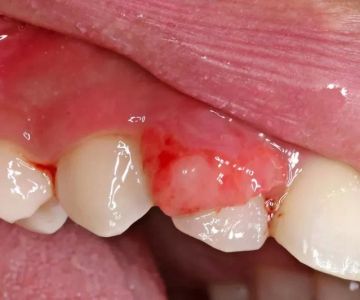
Gum disease begins with plaque buildup—a sticky film of bacteria on teeth. If not removed through proper oral hygiene, plaque hardens into tartar, irritating the gums. Gingivitis, the earliest stage, causes redness, swelling, and bleeding. Without treatment, it can progress to periodontitis, where gums pull away from teeth, forming pockets that harbor bacteria and cause bone loss.
1.2 Systemic Effects of Chronic Gum Inflammation
Persistent gum inflammation releases harmful substances that can enter the bloodstream. This systemic inflammation has been linked to conditions like heart disease, diabetes, and potentially cancer. The oral cavity's delicate tissues are especially vulnerable to damage from this prolonged inflammatory state.
2. Scientific Evidence Linking Gum Disease and Oral Cancer
2.1 Studies Highlighting the Association
Several research studies have observed that individuals with severe gum disease may have a higher risk of developing oral cancers. A 2016 study published in the Journal of the National Cancer Institute found that periodontal disease increased the risk of oral and oropharyngeal cancers by up to 50%. Scientists believe that chronic inflammation, bacterial toxins, and immune system changes caused by gum disease can promote malignant changes in oral tissues.
2.2 Role of Oral Microbiome
The mouth’s microbiome—the community of microorganisms living in the oral cavity—can shift toward harmful bacteria in gum disease. Some of these bacteria produce toxins that may damage DNA or interfere with cell repair mechanisms, potentially initiating cancerous transformations.
3. Recognizing Symptoms That May Indicate Gum Disease or Oral Cancer
3.1 Warning Signs of Gum Disease
Common symptoms include persistent bad breath, swollen or bleeding gums, receding gums, loose teeth, and discomfort while chewing. Ignoring these signs can lead to advanced disease stages and complications.
3.2 Symptoms Suggestive of Oral Cancer
Oral cancer symptoms often overlap with gum disease, such as sores that do not heal, white or red patches, lumps or thickening in the mouth, unexplained numbness, or difficulty swallowing. Persistent symptoms warrant immediate professional evaluation.
4. Prevention and Treatment Strategies to Protect Your Oral Health
4.1 Maintaining Excellent Oral Hygiene
Regular brushing, flossing, and professional dental cleanings are the best defenses against gum disease. Using fluoride toothpaste and avoiding tobacco products further reduce oral cancer risks.
4.2 Early Detection Through Routine Dental Visits
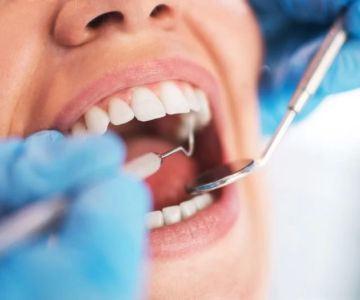
Dental professionals can identify early gum disease and screen for precancerous or cancerous lesions during check-ups. Timely intervention improves treatment outcomes and long-term health.
4.3 Addressing Lifestyle Factors
Limiting alcohol consumption, quitting smoking, and maintaining a healthy diet rich in antioxidants contribute significantly to reducing the risk of both gum disease and oral cancer.
5. Patient Stories Emphasizing the Importance of Awareness
Linda, a 52-year-old from Texas, initially dismissed occasional gum bleeding as minor. After years of neglect, she was diagnosed with advanced periodontitis and precancerous oral lesions. Her story highlights how early care and awareness can prevent severe outcomes.
Mark, a lifelong smoker from Ohio, developed oral cancer that might have been linked to chronic gum inflammation exacerbated by tobacco use. His journey underscores the critical need for regular dental screenings and lifestyle changes.
6. Professional Support and Resources
For anyone concerned about gum disease or oral cancer risks, consulting with dental experts is crucial. Dentistry Toothtruth offers comprehensive care, including periodontal treatment, oral cancer screenings, and personalized prevention plans. Their team works closely with patients to maintain oral health and catch potential issues before they escalate.
Staying informed and proactive can protect your smile and overall well-being for years to come.

 Simply Beautiful Smiles of Thorndale, PA4.0 (100 review)
 Dr. Kokila Punia4.0 (5 review)
 BridgeMill Dentistry5.0 (401 review)
 Suburban Dental Medicine4.0 (31 review)
 Plum Grove Dental Center: Thomas A. Harris, DDS5.0 (6 review)
 Barclay Family Dental4.0 (152 review)
 The Importance of Oral Health Education During Pregnancy for a Healthy Pregnancy
 Best Tips for Brushing Your Teeth Properly for Healthy Gums: Essential Techniques for Oral Health
 Why Skipping Dental Checkups Can Lead to Bigger Oral Health Problems
 Advantages of Porcelain Dental Restorations
 How Can Diabetes Cause Tooth and Gum Problems? Preventing and Managing Oral Health Issues
 Healthy Habits for Promoting Good Oral Health and Hygiene: Tips for a Healthy Smile