
Understanding Oral Thrush and Its Causes
Oral thrush, medically known as oropharyngeal candidiasis, is a fungal infection caused by the overgrowth of Candida yeast in the mouth. It manifests as creamy white patches on the tongue, inner cheeks, roof of the mouth, and sometimes the throat. While thrush can affect anyone, it is especially common among infants, older adults, and individuals with weakened immune systems or certain health conditions like diabetes.
The natural balance of microbes in the mouth keeps Candida levels in check, but factors like poor oral hygiene, antibiotic use, dry mouth, smoking, or wearing dentures can disrupt this balance and lead to infection.
Role of Good Oral Hygiene in Managing Thrush
Maintaining good oral hygiene is an important part of controlling and preventing oral thrush, but it alone may not always be sufficient to fully get rid of the infection.
1. How Oral Hygiene Helps
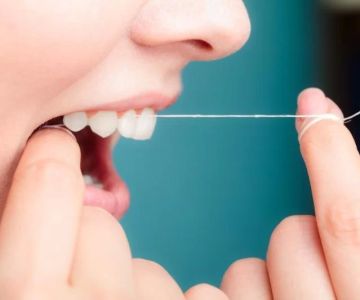
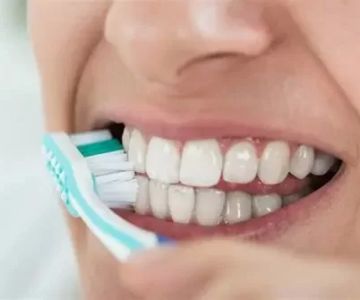
Regular brushing and flossing remove food particles and reduce the buildup of plaque and bacteria that encourage fungal growth. Rinsing the mouth and cleaning dentures properly also limits the environment where Candida can thrive.
Good hygiene practices can support the immune system’s ability to control yeast levels and prevent thrush from worsening or recurring.
2. Limitations of Oral Hygiene Alone
Since oral thrush results from a fungal overgrowth, it often requires targeted antifungal treatment to eradicate. Simply cleaning the mouth, while essential, does not directly kill the yeast. Without medical intervention, thrush may persist, especially in cases linked to underlying conditions or immune suppression.
Effective Treatments for Oral Thrush
When oral thrush occurs, especially if symptoms are severe or persistent, professional treatment is recommended alongside good oral hygiene.
1. Antifungal Medications
Common antifungal treatments include topical options like nystatin or clotrimazole lozenges, and systemic medications such as fluconazole pills. These drugs work to reduce the fungal infection and restore oral health.
2. Home Care and Supportive Measures
- Continue diligent oral hygiene, including gentle brushing and flossing
- Use antiseptic mouthwashes recommended by your dentist or doctor
- Avoid mouthwashes containing alcohol that can irritate the mucosa
- Maintain good denture hygiene if applicable, removing and cleaning dentures daily
3. Addressing Underlying Causes
Treating factors like dry mouth, diabetes, or medication side effects is critical to preventing recurrence. Lifestyle changes such as quitting smoking and managing diet also play roles.
Real Experiences: Managing Thrush Through Hygiene and Treatment
Anna, a 45-year-old from Chicago, experienced recurring oral thrush linked to her diabetes and inhaler use for asthma. She shares how improving her oral hygiene routine, combined with antifungal medications prescribed by her dentist, finally controlled the infection. Anna emphasizes the importance of professional guidance alongside daily care.
This real-life story illustrates that while oral hygiene is foundational, comprehensive treatment is often necessary for lasting relief.
Preventing Oral Thrush: Best Practices
Prevention focuses on maintaining oral health and minimizing factors that encourage fungal growth.
1. Consistent Oral Hygiene Routine
Brush teeth twice daily with fluoride toothpaste and floss regularly. Rinse the mouth after eating and avoid sugary snacks that feed yeast.
2. Care for Dental Appliances
Remove and clean dentures or retainers daily to prevent fungal buildup.
3. Healthy Lifestyle Choices
Quit smoking, manage chronic conditions effectively, and stay hydrated to maintain saliva flow, which naturally controls microbes.
Where to Find Help and Professional Care
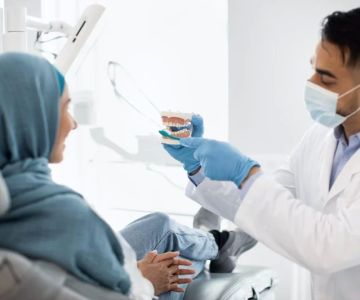
If you suspect oral thrush or struggle with persistent symptoms, consulting dental or medical professionals is crucial. Dentistry Toothtruth offers trusted recommendations for expert care and tailored treatment plans to help you regain oral health effectively.


 Smile Central Dental4.0 (506 review)
 Dental Kidz Club - Corona4.0 (186 review)
 Eastern Dental4.0 (875 review)
 Cool Smiles Orthodontics - Corona4.0 (150 review)
 Lakemoor Dental : Family, Orthodontics & Implant Dentistry4.0 (246 review)
 Long Lake Family Dentistry5.0 (247 review)
 The Importance of Oral Health Education During Pregnancy for a Healthy Pregnancy
 Best Tips for Brushing Your Teeth Properly for Healthy Gums: Essential Techniques for Oral Health
 Why Skipping Dental Checkups Can Lead to Bigger Oral Health Problems
 Advantages of Porcelain Dental Restorations
 How Can Diabetes Cause Tooth and Gum Problems? Preventing and Managing Oral Health Issues
 Healthy Habits for Promoting Good Oral Health and Hygiene: Tips for a Healthy Smile