
1. Understanding the Link Between Bad Oral Hygiene and Mouth Sores
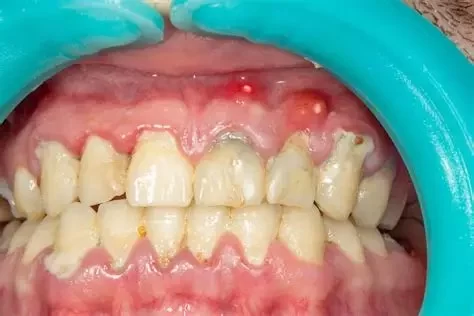
Many people may not realize that poor oral hygiene can contribute to mouth sores, a painful and common condition. Mouth sores, also known as canker sores or ulcers, can cause discomfort and interfere with eating, talking, and even smiling. But can bad oral hygiene actually lead to these painful lesions? The answer is yes—bad oral hygiene is a significant factor in the development of mouth sores, and understanding how this connection works can help in preventing them.
Good oral hygiene is essential not just for preventing cavities and gum disease, but also for maintaining the overall health of your mouth. When oral hygiene is neglected, harmful bacteria and plaque build-up, creating an environment where mouth sores can form. Poor oral habits, such as irregular brushing and flossing, combined with other factors, can irritate the soft tissues in the mouth, leading to painful sores.
2. How Poor Oral Hygiene Contributes to Mouth Sores
Mouth sores can develop for various reasons, and bad oral hygiene is one of the leading contributors. Here’s how poor oral care plays a role:
- Bacteria and Plaque Buildup: When food particles and bacteria are left in the mouth due to infrequent brushing or flossing, plaque forms. This can lead to inflammation in the mouth’s tissues, causing irritation and sores.
- Gum Disease: Gingivitis, the earliest stage of gum disease, occurs due to poor oral hygiene. This condition causes the gums to become red, swollen, and bleed easily. Left untreated, it can progress to more severe gum disease, which can also lead to mouth sores.
- Stress and Poor Diet: Bad oral hygiene combined with stress or a poor diet can weaken the immune system, making it more likely for mouth sores to develop. Poor nutrition, especially a lack of essential vitamins like B12, can contribute to sore formation.
- Toothpaste Ingredients: Some toothpaste and mouthwashes contain harsh chemicals like sodium lauryl sulfate (SLS), which can irritate the sensitive lining of the mouth and trigger sores, especially in individuals with sensitive skin.
3. Types of Mouth Sores Caused by Bad Oral Hygiene
There are different types of mouth sores that can arise from poor oral hygiene. These include:
- Canker Sores (Aphthous Stomatitis): These are small, round ulcers that appear inside the mouth, often on the inner lips, cheeks, or the roof of the mouth. They can be triggered by bacterial infections, stress, or a poor diet, all of which are linked to bad oral hygiene practices.
- Cold Sores (Herpes Simplex Virus): While cold sores are typically caused by a viral infection, poor oral hygiene and weak immune systems can exacerbate outbreaks, making them more frequent or severe.
- Gum Ulcers: These painful sores appear on the gums and can result from gum disease or poor oral hygiene. If gingivitis or periodontitis goes untreated, it can lead to painful and persistent sores in the mouth.
4. Prevention: How to Maintain Good Oral Hygiene and Prevent Mouth Sores
Preventing mouth sores begins with maintaining excellent oral hygiene. Here are some key tips to keep your mouth healthy and reduce the risk of developing painful sores:
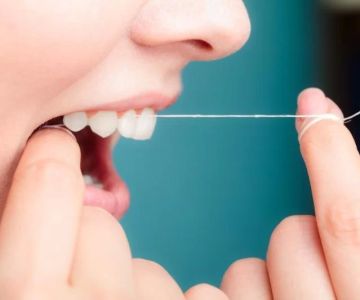
- Brush and Floss Regularly: Brushing your teeth twice a day and flossing at least once a day can help remove food particles and plaque that can lead to mouth sores.
- Use a Soft-Bristled Toothbrush: A toothbrush with soft bristles is less likely to irritate the gums and other sensitive areas in the mouth.
- Avoid Harsh Chemicals: Be cautious when selecting toothpaste or mouthwash. Opt for products without sodium lauryl sulfate (SLS), which can irritate the mouth.
- Hydrate Well: Drink plenty of water to keep your mouth moist and reduce the risk of sores caused by dehydration.
- Eat a Balanced Diet: Make sure your diet is rich in vitamins, especially vitamin B12, zinc, and folic acid, which support healthy skin and mucous membranes, and help prevent mouth sores.
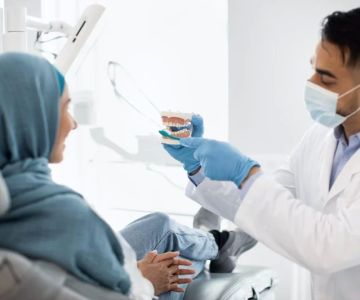
- Visit Your Dentist Regularly: Routine dental checkups can help catch gum disease and other oral issues early, preventing them from progressing into more serious problems that could lead to mouth sores.
5. When to Seek Professional Treatment for Mouth Sores
In most cases, mouth sores caused by poor oral hygiene can be treated at home with basic oral care and good hygiene practices. However, if the sores persist for more than two weeks, are unusually large or painful, or are accompanied by fever or difficulty swallowing, it’s important to consult a dentist or healthcare provider for professional treatment.
In some instances, mouth sores may be a sign of an underlying medical condition, such as an infection or autoimmune disorder, that requires medical intervention. A dental professional can help diagnose the cause of the sores and provide guidance on how to effectively treat them.
6. Real-Life Story: How One Woman Overcame Mouth Sores
A client of ours, Sarah, came to us with a persistent mouth sore that had been bothering her for weeks. She had neglected her oral hygiene during a busy period in her life and didn’t realize that poor brushing and flossing habits had caused the painful sore. After a visit to the dentist, Sarah learned that her sore was a result of gingivitis and plaque buildup, which had led to inflammation in her gums. The dentist gave her detailed instructions on how to improve her oral hygiene routine and recommended a gentle mouthwash. Within a week, Sarah’s sore started to heal, and she was pain-free again. She now follows a strict oral care routine, including regular visits to her dentist, and has not had any recurring mouth sores since.
If you’re experiencing mouth sores and suspect they may be related to bad oral hygiene, it’s important to take immediate action to improve your oral habits and seek professional advice. By doing so, you can prevent further discomfort and maintain your oral health.
If you need expert advice on oral hygiene or treatments for mouth sores, visit Family Dentistry Online for personalized recommendations and services to help maintain your smile and overall health.


 Grand Avenue Dental5.0 (571 review)
 Palo Alto Orthodontics5.0 (249 review)
 Sweet City Smiles5.0 (513 review)
 Doc Bresler's Cavity Busters4.0 (363 review)
 Brick Dental Studio4.0 (101 review)
 Tri City Endodontics5.0 (4 review)
 The Importance of Oral Health Education During Pregnancy for a Healthy Pregnancy
 Best Tips for Brushing Your Teeth Properly for Healthy Gums: Essential Techniques for Oral Health
 Why Skipping Dental Checkups Can Lead to Bigger Oral Health Problems
 Advantages of Porcelain Dental Restorations
 How Can Diabetes Cause Tooth and Gum Problems? Preventing and Managing Oral Health Issues
 Healthy Habits for Promoting Good Oral Health and Hygiene: Tips for a Healthy Smile