
Can Bad Oral Hygiene Cause Acid Reflux?
For most people, brushing and flossing are about keeping a bright smile, but oral health goes far deeper than cosmetics. Studies and real-world cases suggest that poor oral hygiene can influence more than cavities and gum disease—it may even play a role in digestive problems like acid reflux. Understanding this connection is not only fascinating but also a reminder that the mouth and gut are closely linked.
The Connection Between Oral Health and Acid Reflux
How oral bacteria affect digestion
When oral hygiene is neglected, harmful bacteria multiply in the mouth. These bacteria don’t just stay local; they can enter the digestive system through swallowing. Research suggests that high levels of oral bacteria may aggravate the esophagus and stomach lining, potentially worsening acid reflux symptoms such as heartburn, regurgitation, and throat irritation.
Gum disease and systemic inflammation
Gum disease is an inflammatory condition, and chronic inflammation doesn’t remain isolated to the mouth. Inflammation can spread systemically, weakening the body’s ability to regulate digestion and acid production. Patients with untreated periodontal disease often report overlapping digestive symptoms, and some dentists now advise evaluating reflux patients for underlying gum issues.
Real-Life Example: When Oral Care Helped Reduce Acid Reflux
A 42-year-old patient in Philadelphia struggled with nightly acid reflux despite diet changes. After visiting her dentist, she discovered advanced gum disease. Following professional cleanings, stricter brushing routines, and use of an antibacterial mouth rinse, she reported not only healthier gums but also fewer reflux flare-ups. While not a cure-all, her case highlights how oral care can support digestive comfort.
Other Factors Linking Oral Health and Acid Reflux
1. Acid erosion of teeth as a warning sign
People with reflux often experience acid erosion on the back of their teeth. Ironically, this damage can make brushing painful, leading them to avoid oral hygiene—which worsens bacterial buildup and increases reflux triggers. It’s a vicious cycle that highlights how intertwined the conditions are.
2. Dry mouth and reduced saliva
Bad oral hygiene is often paired with dry mouth, whether from neglect, smoking, or medication side effects. Saliva naturally neutralizes acid and washes away bacteria. Without enough saliva, both oral health and reflux symptoms may worsen, creating a feedback loop of discomfort.
What You Can Do to Protect Both Mouth and Stomach
Daily dental habits
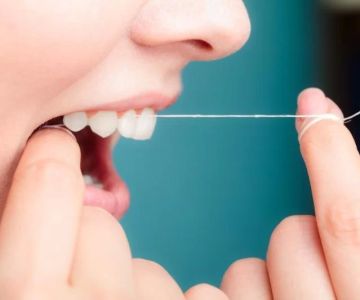
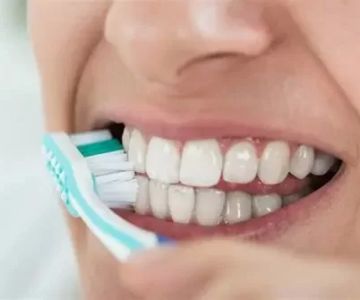
Brushing twice a day with fluoride toothpaste, flossing daily, and using an antimicrobial mouth rinse are crucial steps. These reduce oral bacteria that may contribute to reflux symptoms. Dentists recommend replacing toothbrushes every three months to avoid reintroducing bacteria into the mouth.
Dietary choices that support both dental and digestive health
Avoiding sugary snacks, acidic sodas, and late-night heavy meals can prevent both cavities and reflux. Incorporating high-fiber foods, leafy greens, and water helps keep the mouth clean and the stomach calm.
When to seek professional help
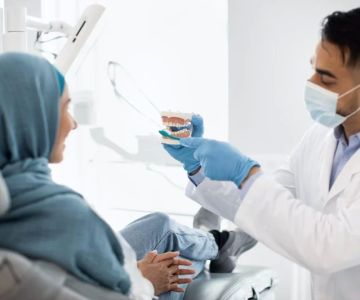
If you suffer from persistent heartburn and also notice gum bleeding, bad breath, or loose teeth, it may be time to consult both a dentist and a gastroenterologist. Coordinated care ensures that both ends of the digestive tract are managed properly. Visiting trusted providers such as Family Dentistry Online can help you find the most suitable services and products for maintaining full-body wellness.
The Bigger Picture: Oral Health Is Whole-Body Health
While oral hygiene alone may not directly cause acid reflux, neglecting it can worsen symptoms or create conditions that make reflux more likely. By caring for your teeth and gums, you’re also protecting your digestive system. The surprising link between oral bacteria, inflammation, and acid reflux underscores why dental care should always be considered a part of overall health.


 Rosen Dental Transitions5.0 (5 review)
 Dr. William D. McGrady, DMD Endodontic Associates of Southwest Florida4.0 (23 review)
 Phillips Dentistry5.0 (215 review)
 Isom Endodontics- Dr. Terry Isom4.0 (322 review)
 Columbia Orthodontics, PC4.0 (103 review)
 McCabe Orthodontics4.0 (14 review)
 The Importance of Oral Health Education During Pregnancy for a Healthy Pregnancy
 Best Tips for Brushing Your Teeth Properly for Healthy Gums: Essential Techniques for Oral Health
 Why Skipping Dental Checkups Can Lead to Bigger Oral Health Problems
 Advantages of Porcelain Dental Restorations
 How Can Diabetes Cause Tooth and Gum Problems? Preventing and Managing Oral Health Issues
 Healthy Habits for Promoting Good Oral Health and Hygiene: Tips for a Healthy Smile