
Can a Woman Get a Disease From Receiving Oral
Many people assume that oral sex is risk-free compared to other forms of sexual activity. However, the reality is more complex. Yes, a woman can get a disease from receiving oral sex. While the risks may be lower compared to unprotected vaginal or anal intercourse, there are still significant chances of transmitting sexually transmitted infections (STIs). Understanding how transmission occurs and how to reduce risks is essential for women who want to protect their sexual health.
How Diseases Can Be Transmitted Through Oral Sex
STIs can spread when the mouth, lips, or throat come into contact with the genital area. Saliva itself is not usually the cause, but cuts, sores, or infected secretions can transmit viruses and bacteria. In the United States, rising cases of oral-transmitted infections have made it a public health concern. Many patients are surprised when diagnosed with infections they thought were only linked to penetrative sex.
1. Common diseases transmitted through oral sex
Some of the most common infections a woman may contract from receiving oral sex include:
- Herpes simplex virus (HSV): Oral herpes, often caused by cold sores, can spread to the genitals.
- Human papillomavirus (HPV): This virus can be passed orally and is linked to cervical and throat cancers.
- Gonorrhea and chlamydia: These bacterial infections may infect the throat or genital area.
- Syphilis: Open sores make it easier for syphilis to be transmitted during oral activity.
- HIV (rare but possible): Transmission risk is lower, but open sores or bleeding gums increase the danger.
2. The role of oral health in disease transmission
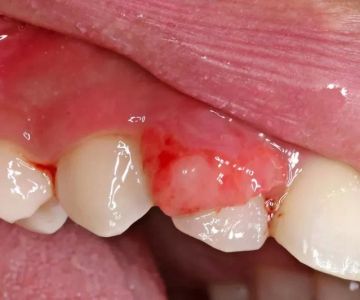
Oral hygiene plays a surprisingly large role in the risk of disease transmission. For instance, bleeding gums or small cuts in the mouth can create entry points for viruses and bacteria. A dentist once shared the case of a patient who developed oral gonorrhea after engaging in oral sex with a partner who had no visible symptoms. This story shows that oral health directly impacts sexual health.
Risk Factors That Increase Chances of Infection
While not every act of oral sex leads to disease, certain factors make transmission more likely. Women who are aware of these factors can take proactive steps to reduce risks.
1. Partner’s sexual health status
Many STIs do not show obvious symptoms. A partner may look completely healthy but still carry infections like HPV or herpes. In the U.S., public health reports highlight that a majority of people who transmit herpes are unaware they have it.
2. Frequency and type of activity
Repeated exposure increases the likelihood of contracting an infection. Oral sex performed during an active outbreak of cold sores or genital lesions drastically increases risk. Even kissing before oral activity can transmit herpes if one partner has a visible sore.
3. Lack of protective barriers
Dental dams or condoms are rarely used during oral sex, but they are effective at reducing disease transmission. Cultural stigma or lack of awareness often prevents people from using them consistently.
Prevention Strategies for Women
Although risks exist, women can take steps to significantly lower their chances of contracting diseases from receiving oral sex. These practices combine awareness, hygiene, and protection.
1. Use of dental dams or condoms
Using a barrier during oral sex may feel unusual at first, but it remains one of the safest ways to prevent STIs. Modern products are thin, flavored, and designed for comfort, making them more appealing than before.
2. Regular STI testing
Both partners should undergo routine STI screenings. Knowing your own health status and that of your partner can eliminate uncertainty and improve trust in the relationship.
3. Strong oral and sexual hygiene
Maintaining healthy gums and avoiding oral sex if you have cuts, sores, or dental issues reduces risks. Similarly, avoiding sexual contact during outbreaks or suspicious symptoms is a simple yet effective precaution.
Real-Life Stories Highlighting the Risks
A young woman from New York shared how she contracted oral herpes despite her partner having “just a small cold sore.” This personal story is echoed across many health forums, reminding women that oral sex is not without risks. On the other hand, couples who incorporate safe practices report peace of mind and healthier relationships.
1. Lessons from public health campaigns
American sexual health organizations often emphasize that oral sex, while common, is not risk-free. Campaigns encourage women to prioritize protection, education, and regular health checks to avoid long-term consequences.
2. Balancing intimacy and safety
Safe practices do not mean sacrificing intimacy. Many couples find that using protection during oral sex becomes a natural part of their routine, just like brushing teeth or scheduling regular checkups. This perspective shift helps normalize safe behavior.
When to Seek Professional Help
If a woman experiences unusual symptoms such as sores, irritation, or unusual discharge after receiving oral sex, consulting a healthcare professional is crucial. Early diagnosis often leads to better treatment outcomes. At Family Dentistry Online, professionals also highlight the connection between oral and sexual health, helping patients build confidence in both areas of wellness.

 Smiles On Bridgetown5.0 (87 review)
 Weimar Family & Implant Dentistry4.0 (778 review)
 Summit Pediatric Dentistry4.0 (145 review)
 Dr. Kwon Pediatric Dentistry Sedation Center4.0 (133 review)
 Wang Hugh N DDS0.0 (0 review)
 Fry Orthodontic Specialists4.0 (71 review)
 The Importance of Oral Health Education During Pregnancy for a Healthy Pregnancy
 Best Tips for Brushing Your Teeth Properly for Healthy Gums: Essential Techniques for Oral Health
 Why Skipping Dental Checkups Can Lead to Bigger Oral Health Problems
 Advantages of Porcelain Dental Restorations
 How Can Diabetes Cause Tooth and Gum Problems? Preventing and Managing Oral Health Issues
 Healthy Habits for Promoting Good Oral Health and Hygiene: Tips for a Healthy Smile